1. What Is GRC Molding and Why It Is Widely Used in Modern Construction
GRC molding (Glassfibre Reinforced Concrete molding) is a manufacturing process used to create architectural components made from GRC material, which is a composite of cement, fine aggregates, water, and alkali-resistant glass fibers. This combination significantly enhances the material’s tensile strength while maintaining a relatively lightweight structure compared to traditional precast concrete.
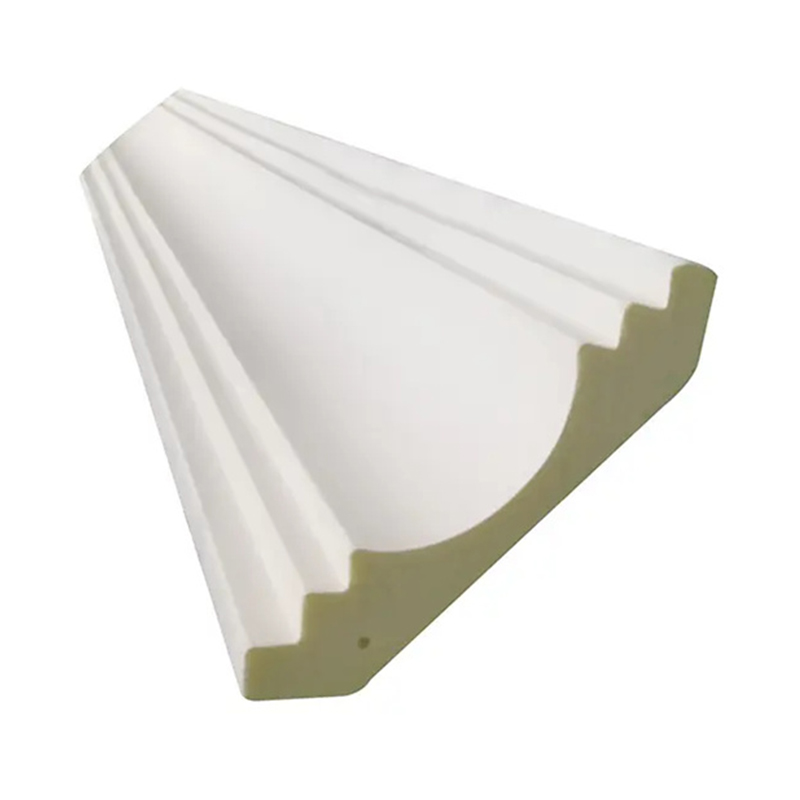
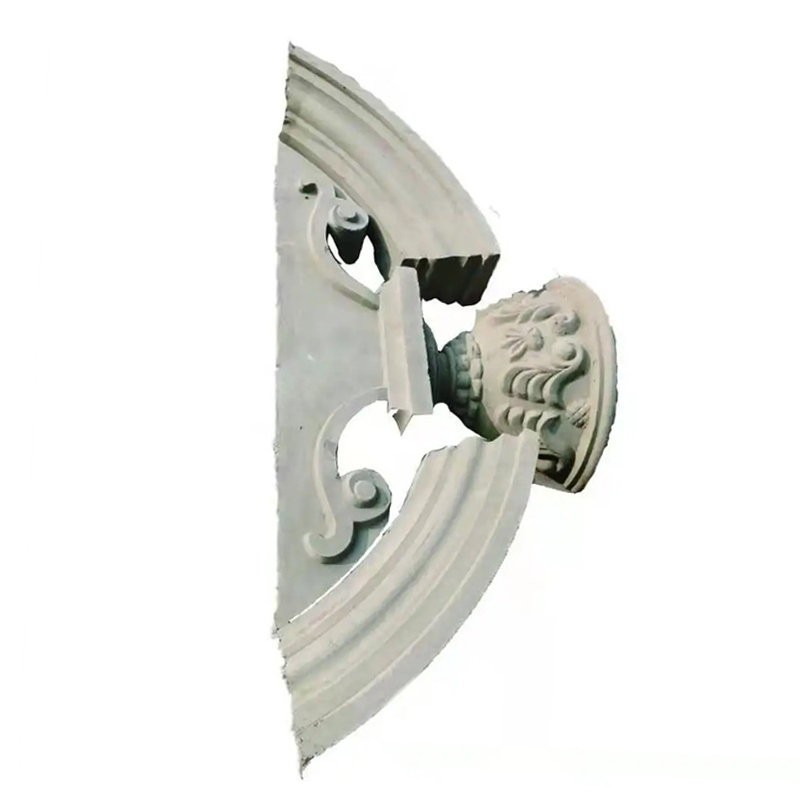
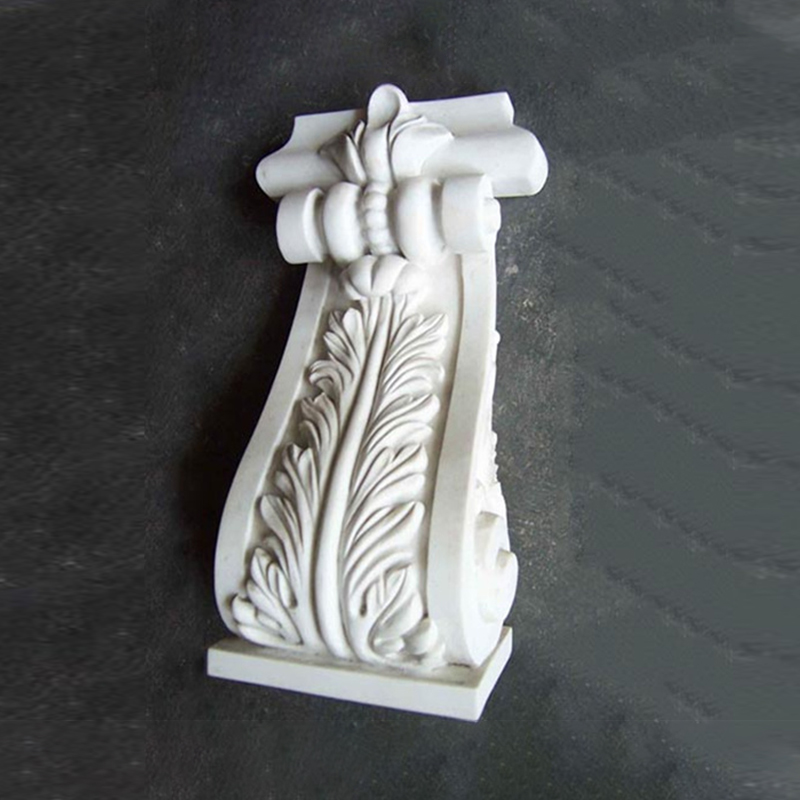
In modern construction, GRC molding is widely used for producing decorative façades, columns, cornices, wall panels, balustrades, window surrounds, and other architectural ornamentation. Its popularity comes from its ability to replicate complex shapes and textures that would be difficult or expensive to achieve using natural stone or traditional concrete.
One of the key advantages of GRC molding is its design flexibility. Architects can create highly detailed and customized shapes without being restricted by the limitations of stone carving or heavy concrete casting. This makes it especially suitable for classical architecture restoration as well as modern façade design.
Another important factor is sustainability. GRC materials are relatively resource-efficient, and the thin-shell design reduces material consumption while maintaining structural integrity. As a result, it supports green building initiatives and modern environmental standards.
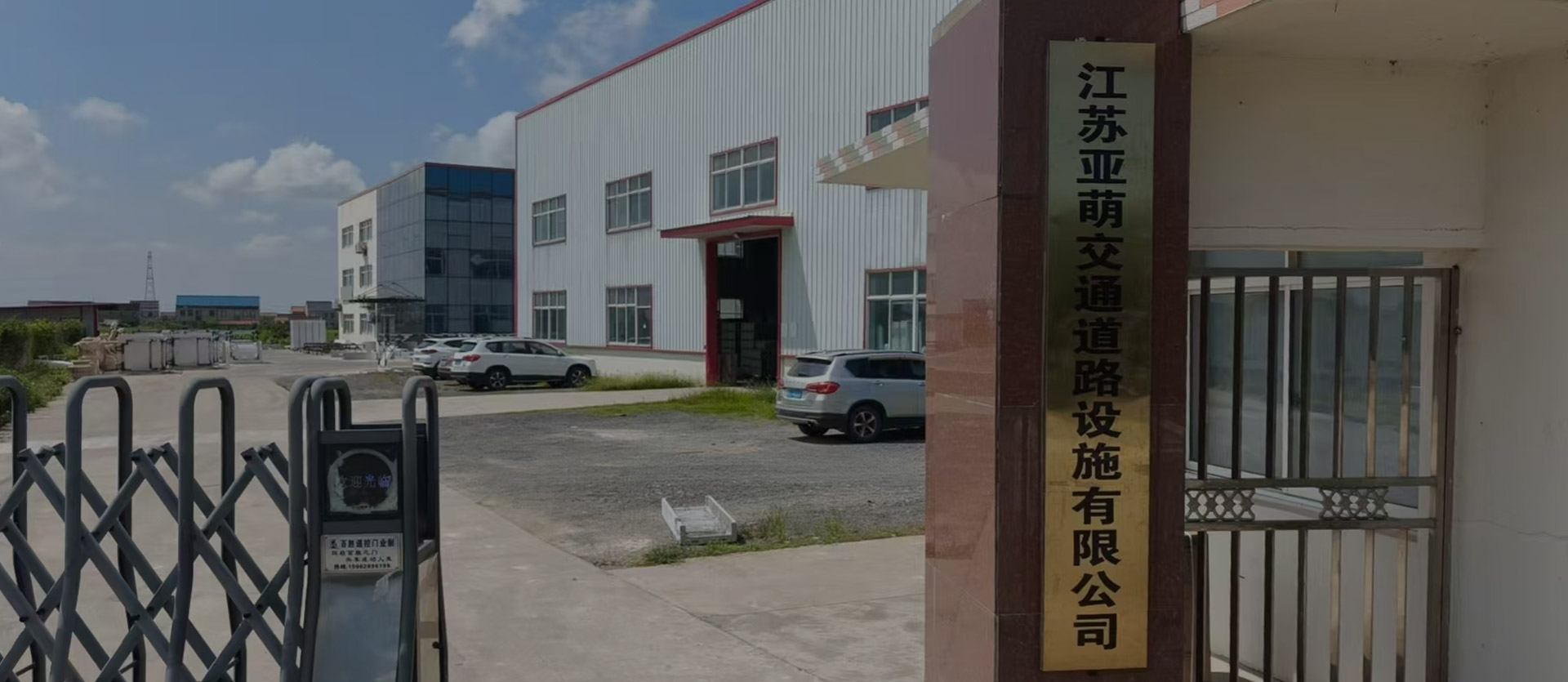
In addition, companies such as Jiangsu Yameng Traffic Road Facilities Co., Ltd have expanded their expertise in infrastructure and architectural components, applying advanced molding techniques to deliver durable, high-precision products suitable for both municipal and commercial construction projects.
Key Characteristics of GRC Molding
| Feature |
Description |
| Material Composition |
Cement + fine sand + AR glass fiber |
| Weight |
Lightweight compared to traditional concrete |
| Strength |
High tensile and impact resistance |
| Design Capability |
Highly customizable shapes |
| Durability |
Weather and corrosion resistant |
FAQ
Q1: What does GRC stand for?
A1: GRC stands for Glassfibre Reinforced Concrete.
Q2: Is GRC molding suitable for outdoor use?
A2: Yes, it has excellent weather resistance and is widely used in exterior façades.
2. GRC Molding Production Process and Technical Advantages
The GRC molding process involves several precise steps that ensure both structural integrity and aesthetic quality. The production typically begins with mold design and fabrication. Molds can be made from steel, wood, or silicone depending on the complexity and surface finish requirements.
Once the mold is prepared, the GRC mixture is sprayed or hand-cast into the mold. The spraying method is more commonly used in industrial production because it ensures better fiber distribution and higher strength performance. After casting, the product is compacted to remove air voids and improve density.
Curing is a critical stage in the process. Proper curing ensures that the cement hydrates fully, which directly affects the final strength and durability of the product. Depending on environmental conditions, curing may take several days under controlled humidity and temperature.
After curing, the product is demolded and undergoes surface finishing processes such as grinding, polishing, or painting. These steps help achieve the desired architectural appearance and improve resistance to environmental exposure.
Modern manufacturers also use digital mold design and CNC machining to ensure high precision and repeatability. This reduces human error and allows mass production of complex architectural components.
Companies like Jiangsu Yameng Traffic Road Facilities Co., Ltd emphasize strict quality control systems in their production processes, ensuring that each molded GRC component meets engineering standards for municipal and architectural applications.
GRC Molding Process Overview
| Stage |
Description |
Key Purpose |
| Mold Design |
CAD/CNC mold creation |
Shape accuracy |
| Mixing |
Cement + fiber blending |
Material consistency |
| Casting/Spraying |
Filling mold |
Structural formation |
| Curing |
Controlled hardening |
Strength development |
| Finishing |
Surface treatment |
Aesthetic quality |
FAQ
Q1: What is the difference between casting and spraying in GRC molding?
A1: Spraying provides better fiber distribution and higher strength, while casting is simpler but less uniform.
Q2: How long does GRC take to fully cure?
A2: Typically several days, depending on temperature and humidity conditions.
3. Applications and Future Development Trends of GRC Molding Industry
GRC molding is widely applied in architectural engineering, especially in projects requiring decorative yet durable building elements. It is commonly used in commercial buildings, hotels, cultural landmarks, religious structures, and urban landscape projects.
In façade engineering, GRC panels can replicate stone textures while significantly reducing structural load. This makes them ideal for high-rise buildings where weight reduction is critical. In landscape architecture, GRC is used for sculptures, benches, fountains, and decorative walls due to its moldability and weather resistance.
The industry is also experiencing technological upgrades driven by digital manufacturing and architectural customization trends. BIM (Building Information Modeling) integration allows engineers to design and simulate GRC components before production, improving efficiency and reducing material waste.
Another major trend is the shift toward high-performance and eco-friendly materials. Manufacturers are developing improved fiber reinforcement systems and low-carbon cement formulations to meet sustainability requirements.
Global demand is also increasing, particularly in infrastructure development projects across Asia, the Middle East, and Europe. This creates strong export opportunities for experienced manufacturers.
With strong engineering manufacturing capabilities, Jiangsu Yameng Traffic Road Facilities Co., Ltd continues to explore advanced molding technologies and diversified product applications, contributing to both infrastructure and architectural decoration sectors.
Industry Application Comparison Table
| Application Area |
Typical Products |
Main Requirements |
| Building Facades |
Panels, cladding |
Lightweight, aesthetic |
| Urban Landscape |
Sculptures, benches |
Durability, design flexibility |
| Restoration Projects |
Cornices, ornaments |
Historical accuracy |
| Commercial Buildings |
Decorative elements |
Customization |
FAQ
Q1: Why is GRC preferred over natural stone?
A1: It is lighter, easier to shape, and more cost-effective while maintaining similar aesthetics.
Q2: Is GRC environmentally friendly?
A2: Yes, it reduces material usage and supports sustainable construction practices.

 English
 Español
 عربى
عربى