Are They the Perfect Balance Between Beauty and Structural Performance?
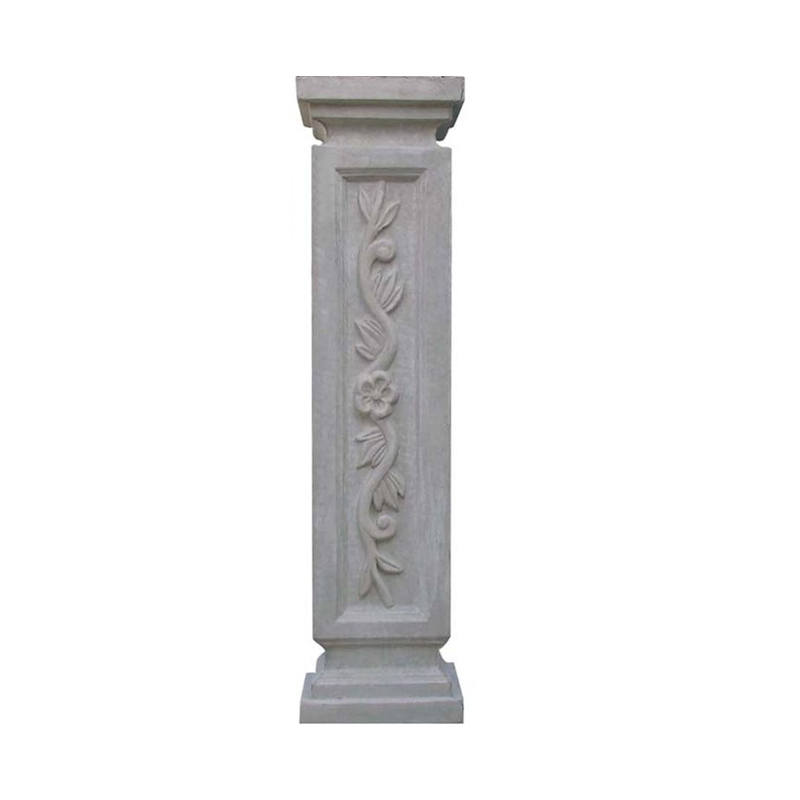
GRC Roman columns have become one of the most widely used decorative architectural elements in both modern construction and classical restoration projects. As professional GRC Roman Columns Suppliers, we focus on providing high-quality, durable, and customizable column systems that combine traditional Roman architectural aesthetics with modern material engineering advantages.
GRC (Glassfibre Reinforced Concrete) is a composite material made from cement, fine aggregates, water, and alkali-resistant glass fibers. This structure gives Roman columns not only a realistic stone-like appearance but also significantly improved performance in terms of weight reduction and crack resistance. Compared with natural stone columns, GRC Roman columns can reduce structural load by 50%–70%, making them ideal for high-rise buildings, large façade systems, and prefabricated architectural decoration.
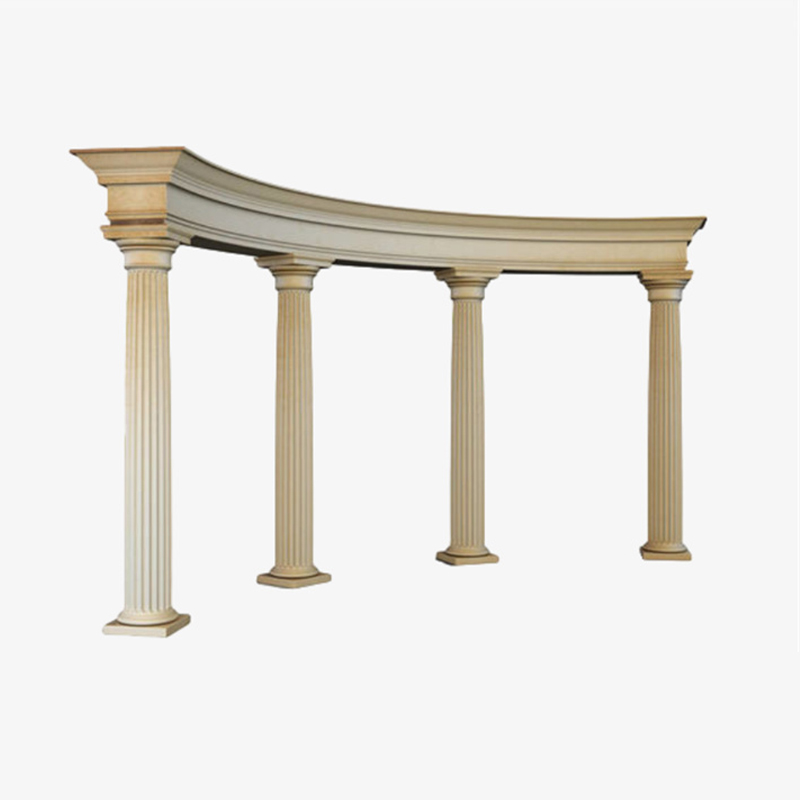
In modern architectural design, Roman columns are no longer limited to historical buildings. They are widely used in villas, hotels, shopping malls, cultural centers, government buildings, and even modern minimalist architecture to create visual hierarchy and aesthetic identity. Their versatility allows architects to combine classical elegance with modern geometric design.
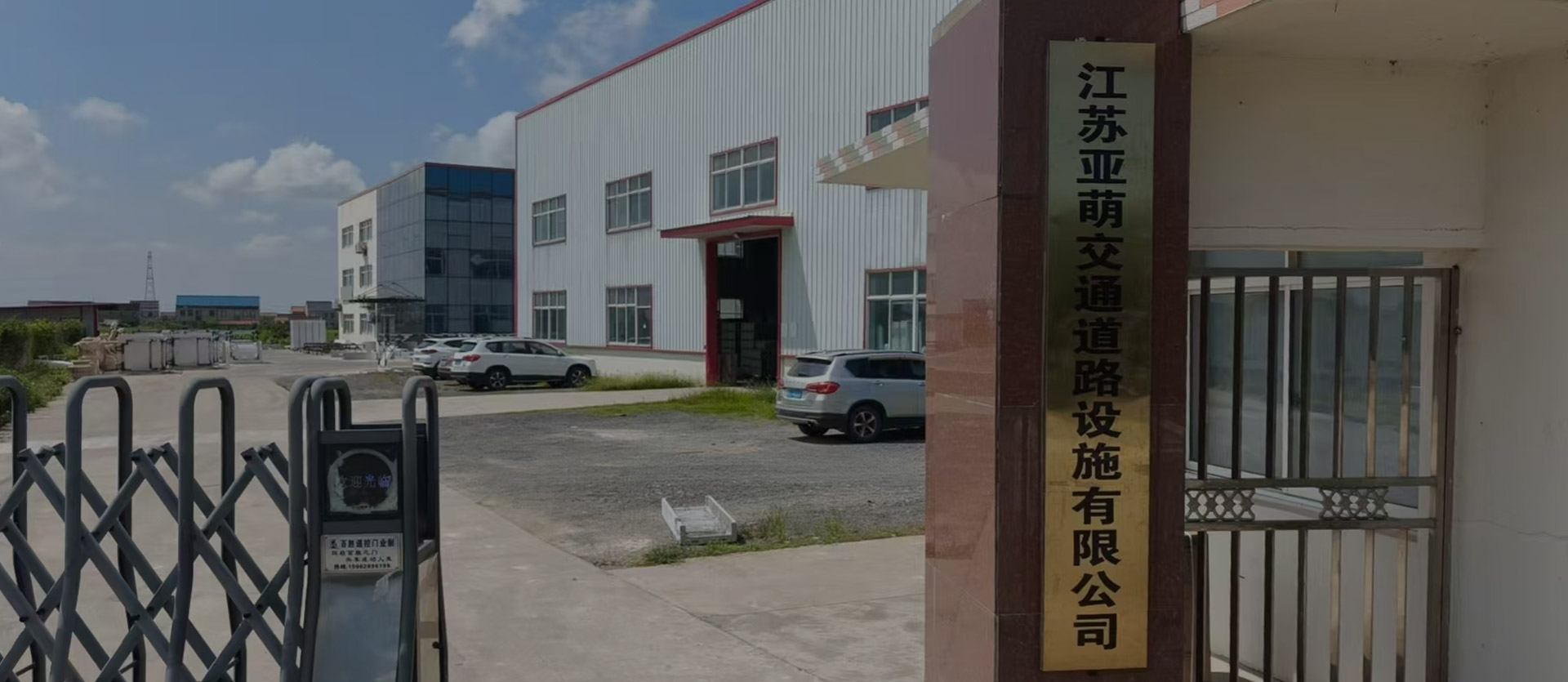
From a supply chain perspective, companies like Jiangsu Yameng Traffic Road Facilities Co., Ltd play an important role in supporting infrastructure and architectural decorative product systems. With strong manufacturing capability in traffic facilities and building components, the company extends its expertise into GRC decorative systems, ensuring consistent quality, engineering reliability, and project customization support.
Another key advantage of GRC Roman columns is cost efficiency. Compared to natural stone columns that require quarrying, cutting, transportation, and heavy installation equipment, GRC columns are manufactured in molds and are much easier to transport and install. This significantly reduces overall project cost and construction time.
Comparison of GRC Roman Columns vs Traditional Stone Columns
| Feature |
GRC Roman Columns |
Natural Stone Columns |
| Weight |
Lightweight |
Very heavy |
| Installation |
Easy, modular |
Complex, equipment needed |
| Design Flexibility |
Highly customizable |
Limited by stone texture |
| Cost |
Economical |
Expensive |
| Crack Resistance |
High |
Medium |
Overall, GRC Roman columns provide an ideal balance between aesthetics, structural practicality, and economic efficiency, making them a preferred choice in modern architectural engineering.
FAQ
Q1: Are GRC Roman columns suitable for modern buildings?
A1: Yes, they are widely used in modern architecture for decorative façades and structural aesthetics.
Q2: Why are they lighter than stone columns?
A2: Because GRC uses glass fibers and cement composites instead of solid stone blocks.
Can Industrial Molding Technology Reproduce Classical Architectural Detail?
The manufacturing process of GRC Roman columns is a highly engineered system that combines material science, mold technology, and precision manufacturing. As experienced GRC Roman Columns Suppliers, we ensure that every column produced meets strict structural and aesthetic standards.
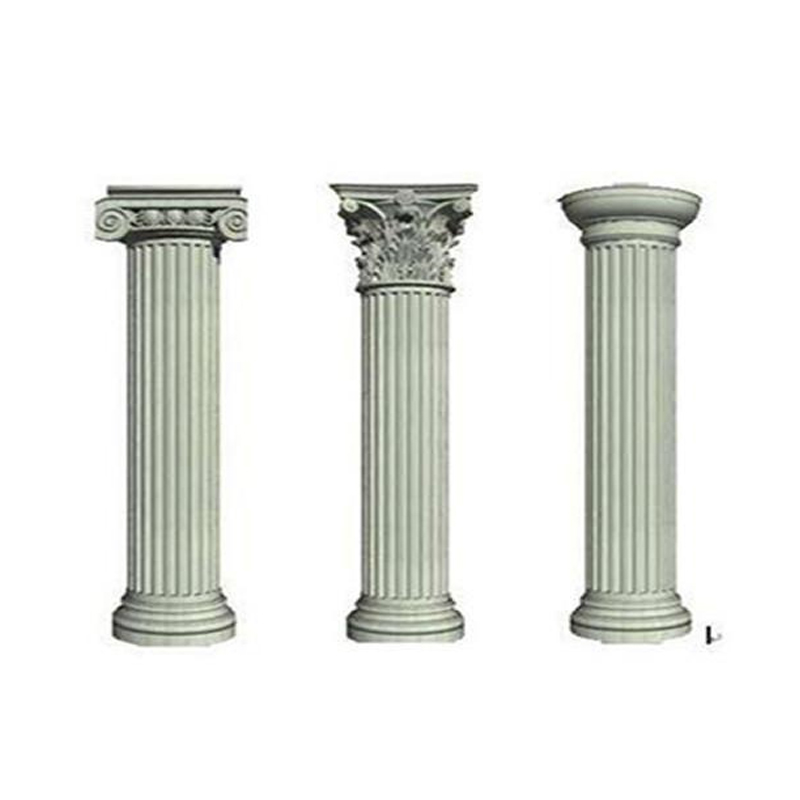
The process begins with detailed architectural design and mold development. Depending on project requirements, molds are created using steel, fiberglass, or silicone materials. These molds define the column style, such as Doric, Ionic, or Corinthian, including fluting patterns, capital details, and base proportions.
Once the mold is ready, the GRC mixture is prepared. It consists of cement, fine sand, water, and alkali-resistant glass fibers. These fibers are evenly distributed to enhance tensile strength and prevent cracking. The mixture is then sprayed into the mold using specialized equipment or manually cast for smaller production batches.
Spraying technology is widely preferred in industrial production because it ensures uniform fiber distribution, resulting in stronger and more durable components. After forming, the product undergoes compaction to remove air bubbles, which improves density and structural integrity.
Curing is one of the most important stages. The molded columns are placed in a controlled environment where temperature and humidity are strictly regulated. This ensures proper hydration of cement and long-term durability. After curing, the columns are demolded and moved to finishing processes.
Finishing includes grinding, polishing, surface coating, and sometimes painting to achieve a natural stone texture or customized architectural appearance. Advanced manufacturers also use CNC machining and digital inspection systems to ensure dimensional accuracy.
As a manufacturing-oriented company, Jiangsu Yameng Traffic Road Facilities Co., Ltd integrates industrial production standards into its architectural and infrastructure product systems. Its expertise in precision manufacturing ensures stable quality control and efficient delivery for large-scale engineering projects.
GRC Roman Column Manufacturing Process
| Stage |
Description |
Key Objective |
| Design & Mold Making |
CNC or handcrafted molds |
Shape accuracy |
| Material Mixing |
Cement + AR glass fiber |
Structural strength |
| Spraying/Casting |
Layered forming |
Uniform density |
| Curing |
Controlled environment |
Strength development |
| Finishing |
Surface treatment |
Aesthetic quality |
Through this controlled process, GRC Roman columns achieve excellent consistency, durability, and architectural detail reproduction, making them suitable for both small residential projects and large commercial developments.
FAQ
Q1: What makes GRC molding precise?
A1: High-quality molds combined with CNC and controlled spraying technology ensure accuracy.
Q2: Can GRC columns replicate classical carvings?
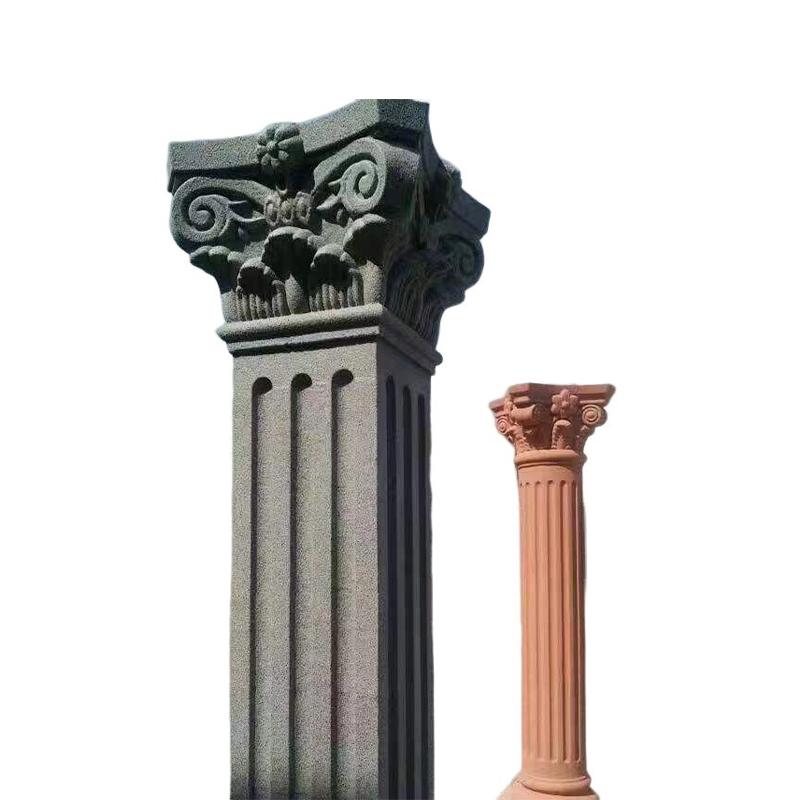
A2: Yes, molds can reproduce highly detailed Roman architectural styles.
Are They Suitable for Both Luxury Projects and Public Infrastructure?
GRC Roman columns are extremely versatile architectural elements used in a wide range of construction projects. Their ability to combine classical aesthetics with modern engineering makes them suitable for both decorative and semi-structural applications.
In residential architecture, GRC Roman columns are widely used in luxury villas, courtyard entrances, balcony supports, and garden structures. They help create a sense of grandeur and classical elegance while keeping structural loads minimal.
In commercial buildings such as hotels, shopping malls, and office complexes, Roman columns are often installed in entrance façades, lobbies, and interior atriums. They enhance brand image and create a strong architectural identity that leaves a lasting impression on visitors.
In cultural and public infrastructure projects, such as museums, theaters, government buildings, and exhibition halls, Roman columns are used to reflect historical continuity and architectural authority. They help connect modern spaces with classical design language.
In addition, companies like Jiangsu Yameng Traffic Road Facilities Co., Ltd support large-scale infrastructure and architectural projects by providing durable and customizable building components. Their experience in traffic facilities and urban construction products allows them to supply reliable GRC solutions for both decorative and engineering applications.
Application Overview of GRC Roman Columns
| Application Area |
Typical Use |
Design Purpose |
| Villas & Residences |
Entrances, porches |
Luxury & elegance |
| Hotels & Resorts |
Lobbies, façades |
Visual impact |
| Commercial Centers |
Mall entrances |
Brand identity |
| Public Buildings |
Museums, theaters |
Classical aesthetics |
Modern architecture increasingly favors hybrid design approaches, where traditional Roman columns are combined with glass, steel, and concrete structures to create visually striking yet functional buildings.
FAQ
Q1: Can GRC Roman columns be used outdoors?
A1: Yes, they have excellent weather resistance and are suitable for outdoor environments.
Q2: Do they require maintenance?
A2: Minimal maintenance is needed; occasional surface cleaning is sufficient.

 English
 Español
 عربى
عربى