Can Lightweight Concrete Cladding Replace Traditional Stone and Glass Façades?
GRC curtain wall panels (Glassfibre Reinforced Concrete façade systems) are rapidly becoming one of the most important materials in modern architectural envelope design. As buildings evolve toward higher performance standards, architects and engineers are increasingly seeking façade solutions that balance aesthetics, structural efficiency, cost control, and sustainability.
GRC panels are composed of cement, fine aggregates, water, and alkali-resistant glass fibers. This combination creates a composite material that is both strong and lightweight. One of the most significant advantages is that GRC panels can reduce façade dead load by 50%–70% compared to natural stone cladding, which directly reduces structural stress on building frames and foundations. This makes them especially suitable for high-rise buildings and large-scale commercial complexes.
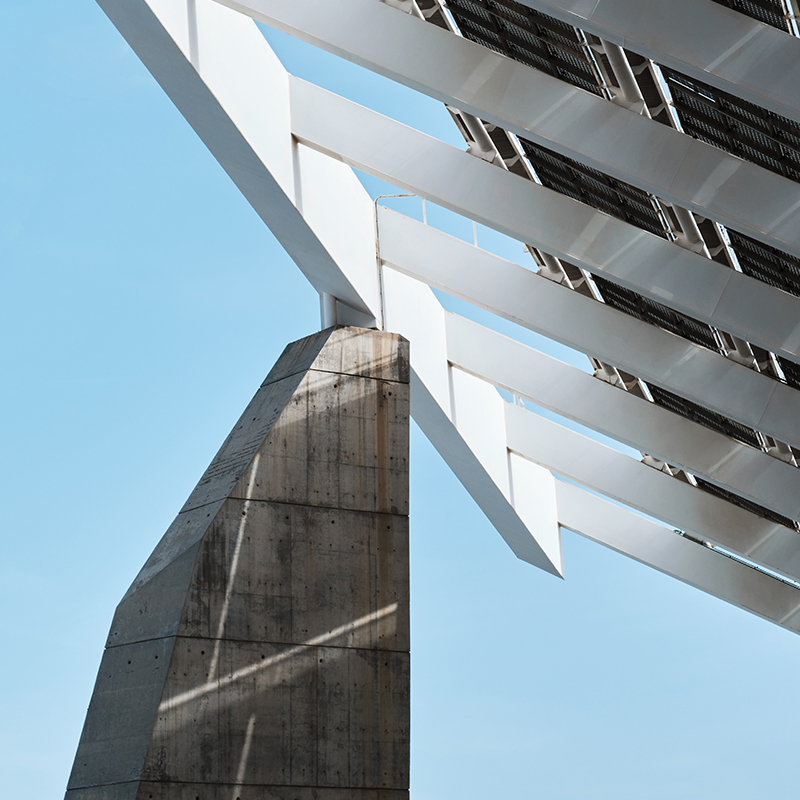
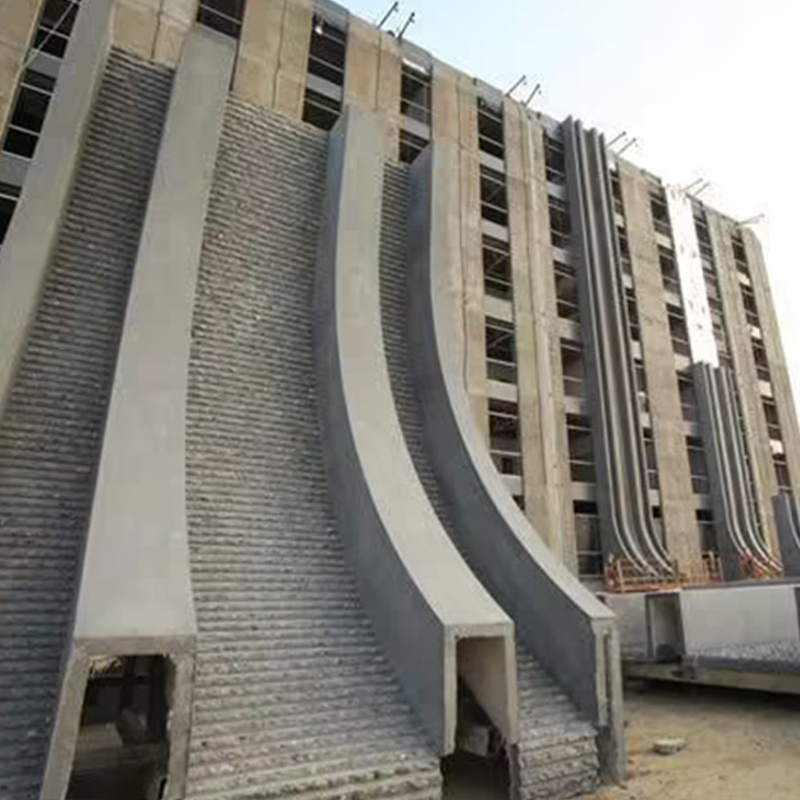
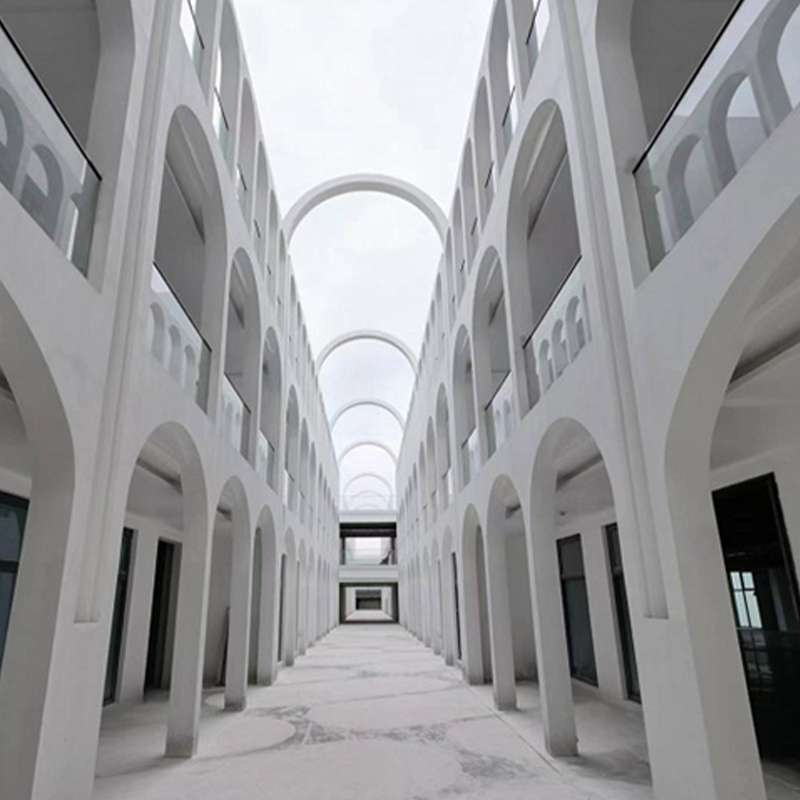
From a design perspective, GRC curtain wall panels offer exceptional flexibility. They can be molded into flat panels, curved surfaces, geometric patterns, or highly decorative architectural skins. This allows architects to achieve complex façade expressions that would be extremely expensive or technically difficult with stone or precast concrete. As a result, GRC is increasingly used in landmark buildings, museums, shopping centers, hotels, and urban redevelopment projects.
Another key advantage is environmental adaptability. GRC panels demonstrate strong resistance to weathering, UV radiation, moisture, and temperature fluctuations. This makes them suitable for a wide range of climates, from humid coastal regions to dry inland environments. Additionally, their non-combustible nature enhances building fire safety performance.
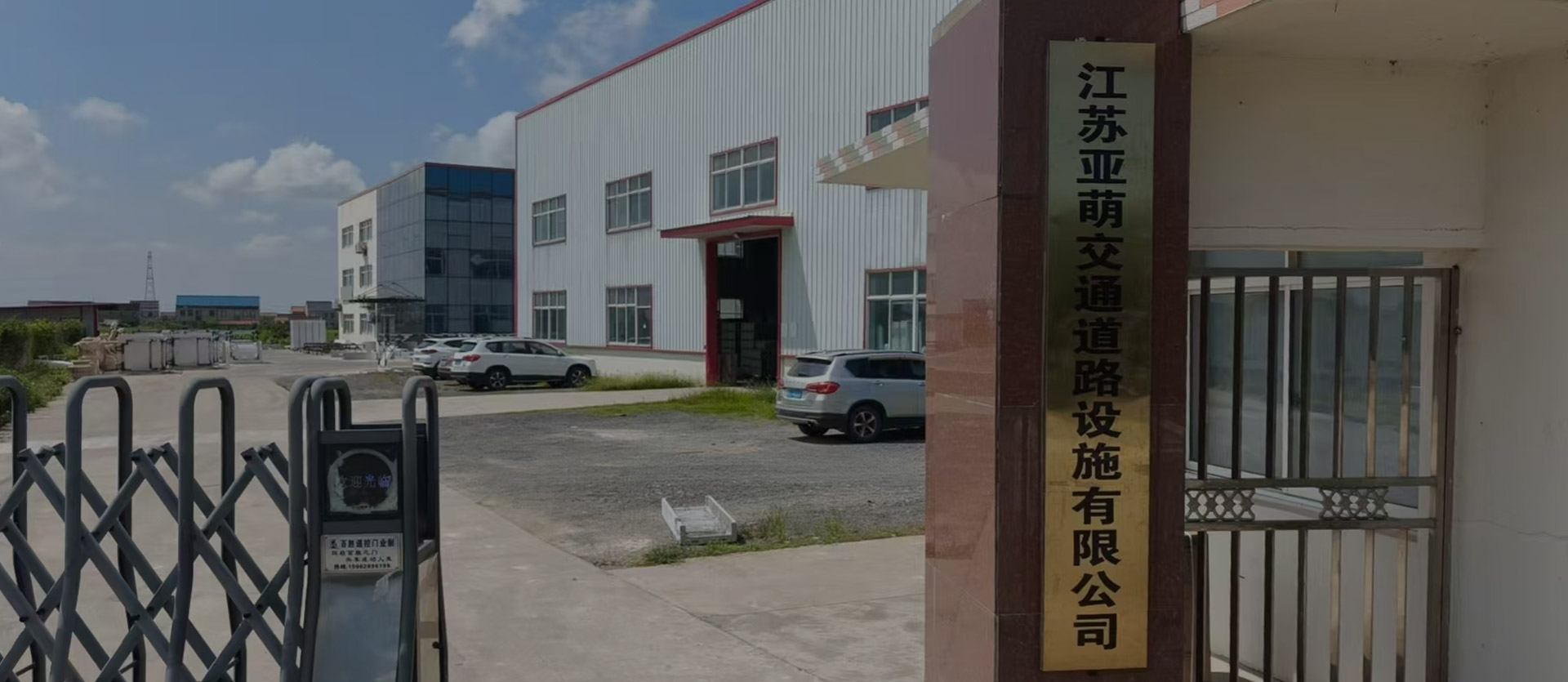
Companies such as Jiangsu Yameng Traffic Road Facilities Co., Ltd play an important role in supporting the development of engineered construction materials. With strong manufacturing capabilities in traffic infrastructure and building component systems, the company applies industrial production standards to ensure that GRC curtain wall panels meet strict requirements for durability, consistency, and large-scale engineering applications.
Comparison of Façade Systems
| Material Type |
Weight |
Design Flexibility |
Cost Efficiency |
Structural Load Impact |
| GRC Panels |
Lightweight |
Very high |
Medium |
Low |
| Natural Stone |
Heavy |
Limited |
High |
High |
| Aluminum Panels |
Light |
Medium |
Medium |
Medium |
| Glass Curtain Wall |
Medium |
Medium |
High |
Medium |
Overall, GRC curtain wall panels are increasingly considered a next-generation façade material, bridging the gap between architectural expression and engineering efficiency.
FAQ
Q1: Are GRC curtain wall panels suitable for modern high-rise buildings?
A1: Yes, they are widely used in high-rise façades due to their lightweight and high-strength characteristics.
Q2: Can GRC replace natural stone completely?
A2: In many façade applications, yes, especially where weight reduction and cost efficiency are required.
What Makes Their Production Process Suitable for Complex Architectural Designs?
The manufacturing process of GRC curtain wall panels is a highly engineered system that integrates material science, digital design, and precision molding technology. Unlike conventional concrete products, GRC façade panels require strict control over fiber distribution, curing conditions, and dimensional accuracy to ensure both structural performance and architectural quality.
The process begins with advanced digital design. Engineers use CAD and BIM systems to define panel geometry, façade layout, connection details, and structural anchoring systems. This stage is critical because curtain wall panels must integrate seamlessly with the building’s structural frame and façade system.
Once the design is finalized, molds are fabricated using steel, fiberglass, or composite materials. These molds define not only the shape but also the surface texture of the panel. High-quality molds allow for reproduction of stone textures, smooth modern surfaces, or complex geometric patterns with high precision.
The next stage is material preparation. The GRC mixture is carefully proportioned using cement, fine aggregates, water, and alkali-resistant glass fibers. These fibers are essential because they significantly improve tensile strength and crack resistance, which are critical for façade durability under wind loads and thermal expansion.
The material is then applied into molds using a spraying process. Spraying is preferred in industrial production because it ensures uniform fiber distribution and reduces the risk of weak points within the panel structure. After spraying, compaction is performed to eliminate air voids and increase material density.
Curing is one of the most important steps in the entire process. Panels are placed in controlled environments where temperature and humidity are carefully regulated. Proper curing ensures full cement hydration, which directly affects long-term strength, durability, and weather resistance.
After curing, panels are demolded and undergo finishing processes such as trimming, surface grinding, edge treatment, and coating. These processes ensure that each panel meets architectural design requirements and installation tolerances.
Quality inspection is performed before delivery, including dimensional accuracy checks, bending strength tests, and surface quality evaluation. This ensures that panels can withstand real-world façade conditions, including wind pressure, temperature changes, and moisture exposure.
As a manufacturing-oriented company, Jiangsu Yameng Traffic Road Facilities Co., Ltd integrates industrial production standards into its building component systems. Its experience in infrastructure manufacturing allows it to maintain strict quality control, ensuring that GRC curtain wall panels meet the requirements of both municipal and commercial construction projects.
GRC Curtain Wall Panel Production Workflow
| Stage |
Description |
Key Function |
| Digital Design |
BIM/CAD modeling |
Structural accuracy |
| Mold Fabrication |
Precision tooling |
Shape formation |
| Material Mixing |
Cement + AR glass fiber |
Strength development |
| Spraying Process |
Layered application |
Uniform structure |
| Curing |
Controlled hardening |
Durability assurance |
| Finishing |
Surface treatment |
Aesthetic quality |
This structured process ensures that GRC curtain wall panels achieve high consistency, high strength, and architectural precision, making them suitable for complex façade systems.
FAQ
Q1: Why is spraying important in GRC manufacturing?
A1: It ensures even fiber distribution, improving structural strength and durability.
Q2: Can GRC panels support complex façade shapes?
A2: Yes, molds allow for highly customized architectural geometries.
Can They Support Both Aesthetic Innovation and Engineering Performance?
GRC curtain wall panels are widely used across multiple architectural sectors due to their versatility, durability, and design flexibility. They are particularly effective in projects where visual identity, structural efficiency, and long-term performance must be balanced.
In commercial architecture, such as shopping malls, office towers, and mixed-use developments, GRC panels are used to create distinctive façades that enhance brand identity. Their ability to replicate stone textures or create modern geometric surfaces makes them ideal for visually striking building envelopes.
In cultural and public buildings, including museums, theaters, exhibition halls, and civic centers, GRC curtain wall panels are often used to express artistic and symbolic architectural language. Designers can create large-scale decorative façades that reflect cultural identity while maintaining structural efficiency.
In residential developments, especially high-end villas and apartment complexes, GRC panels are used to achieve elegant exterior façades with reduced structural load. Their weather resistance and low maintenance requirements make them highly suitable for long-term residential applications.
In urban infrastructure projects, GRC curtain wall panels are also used for station buildings, pedestrian overpasses, and public facilities. Their durability and resistance to environmental stress make them ideal for high-traffic public environments.
Companies such as Jiangsu Yameng Traffic Road Facilities Co., Ltd contribute to these applications by providing engineered construction components that meet both aesthetic and structural requirements. With strong manufacturing capabilities in infrastructure-related products, the company supports large-scale GRC façade system deployment in diverse engineering environments.
Application Overview of GRC Curtain Wall Panels
| Application Area |
Usage Type |
Key Benefit |
| Commercial Buildings |
Exterior façades |
Strong visual identity |
| Cultural Projects |
Decorative envelopes |
Artistic expression |
| Residential Buildings |
Wall cladding |
Lightweight elegance |
| Public Infrastructure |
Protective façades |
Durability & safety |
As global architecture continues to move toward lightweight, sustainable, and expressive building systems, GRC curtain wall panels are becoming a key material in modern façade engineering.
FAQ
Q1: Are GRC curtain wall panels suitable for extreme weather conditions?
A1: Yes, they have strong resistance to moisture, UV, and temperature variations.
Q2: Do they require frequent maintenance?
A2: No, they are low-maintenance due to their durable composite structure.

 English
 Español
 عربى
عربى