1. Application Scenarios and Market Development Trends of Stainless Steel Cover Plates in Modern Infrastructure
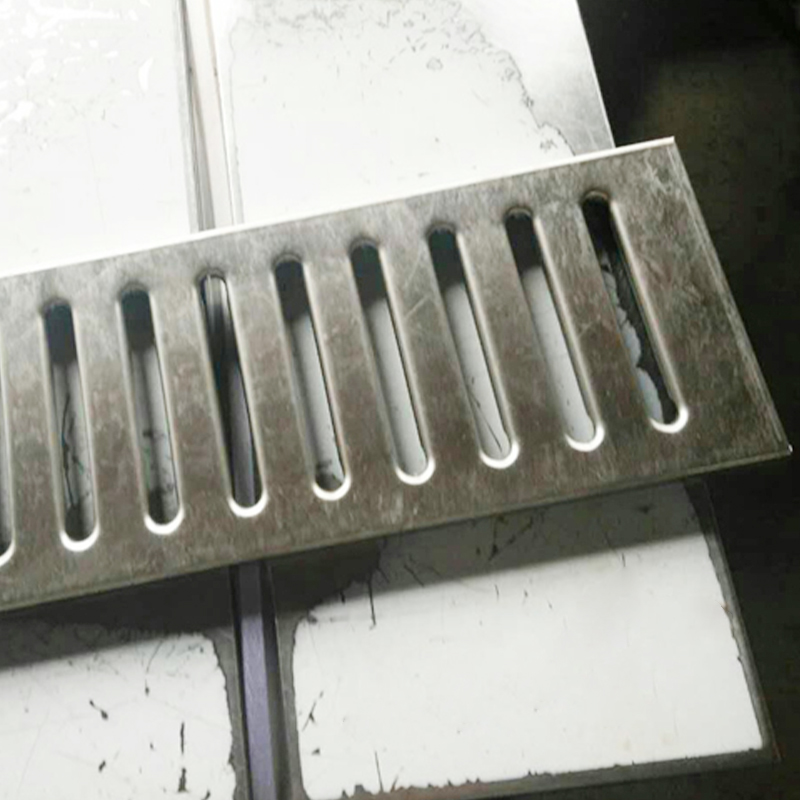
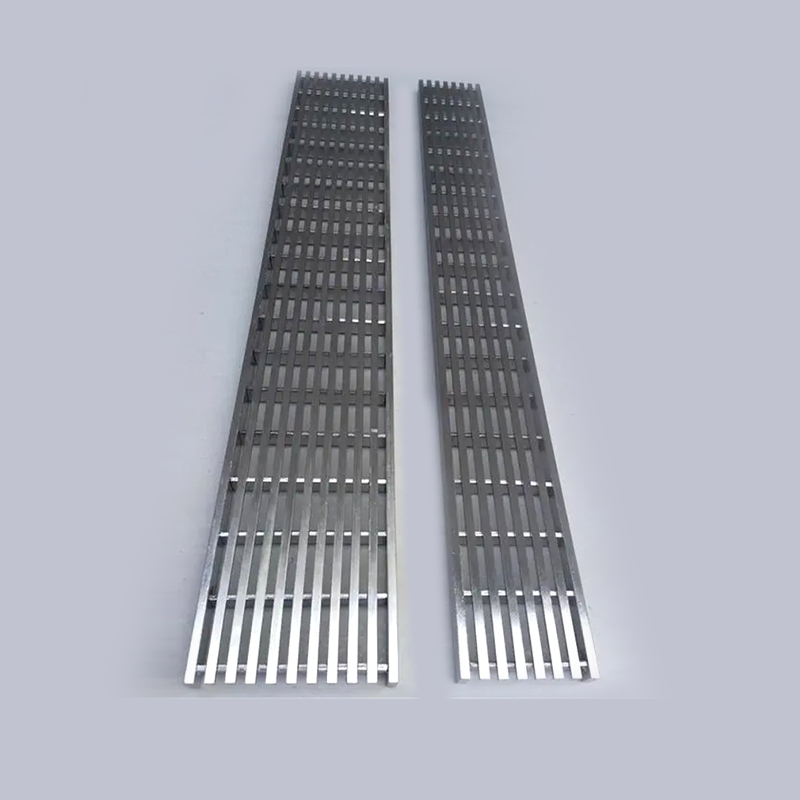
Stainless steel cover plates are essential components in urban infrastructure and industrial systems. They are mainly used to cover drainage trenches, cable trenches, equipment inspection openings, utility tunnels, and various structural openings. Their core functions include ensuring safety, preventing debris from entering, and improving durability and aesthetics.
In the construction industry, stainless steel cover plates not only serve functional purposes but are increasingly required to match architectural aesthetics. In commercial complexes, high-end office buildings, and public landscape areas, designers prefer cover plates with refined surface finishes and clean lines to achieve a “hidden infrastructure” design effect. In municipal engineering projects such as subway stations, pedestrian walkways, and urban squares, stainless steel cover plates must also provide high load-bearing capacity and anti-slip performance due to heavy foot traffic.
With the rapid development of urbanization and smart city construction, the market shows several key trends:
- Increasing demand for high load-bearing performance
- Higher requirements for corrosion resistance, especially in coastal and industrial areas
- Growing demand for modular and standardized systems
- Stronger integration with architectural aesthetics
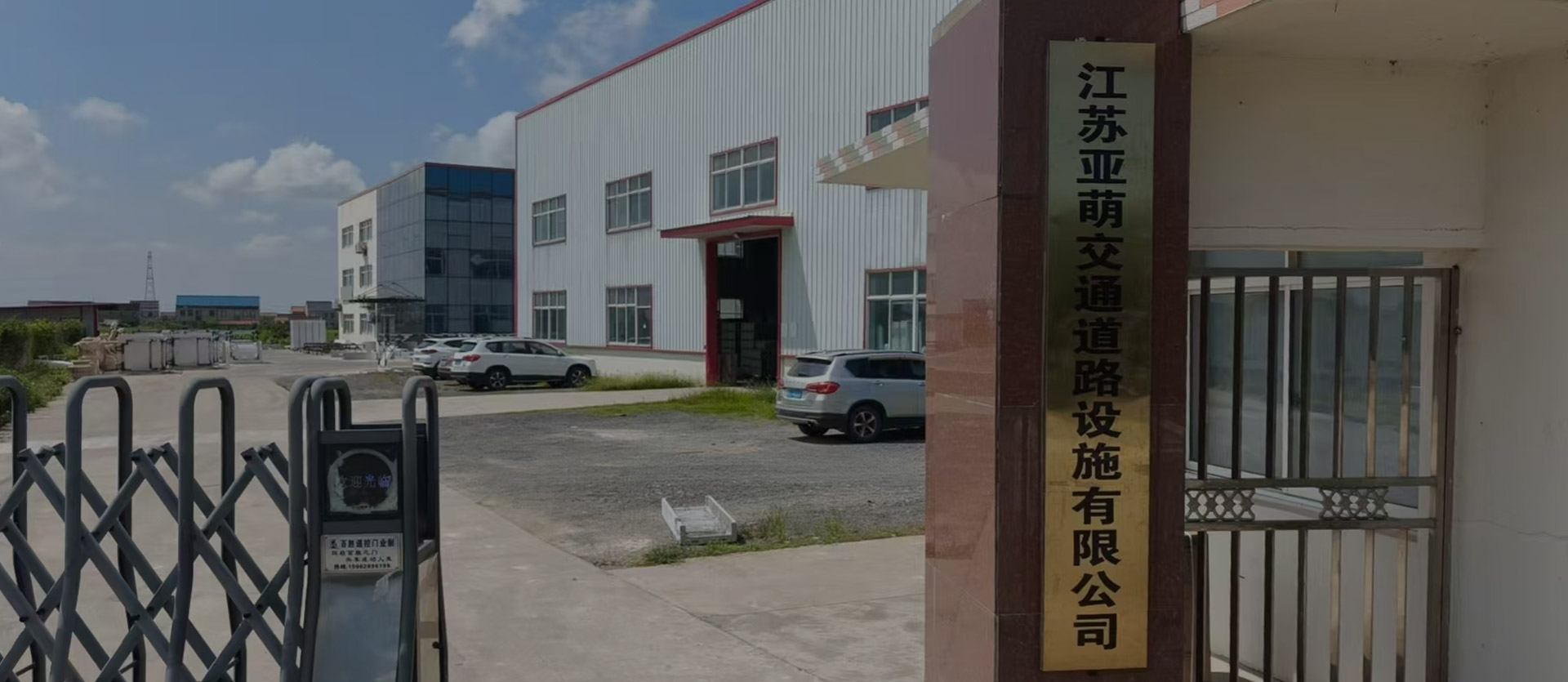
As a manufacturer with strong engineering experience, Jiangsu Yameng Traffic Road Facilities Co., Ltd has accumulated extensive expertise in municipal road facilities and metal structural products. Its stainless steel cover plates are widely used in urban drainage systems and traffic infrastructure projects, providing customized structural optimization solutions based on different project requirements.
Application Comparison Table
| Application Area |
Environment |
Key Requirements |
Development Trend |
| Municipal Roads |
Outdoor high traffic |
High load, anti-slip |
Smart upgrading |
| Building Projects |
Indoor & outdoor |
Aesthetic, concealment |
Integrated design |
| Industrial Areas |
Corrosive environment |
Acid & corrosion resistance |
High-performance materials |
| Underground Utilities |
Enclosed space |
Waterproof, anti-deformation |
Modular structure |
Overall, the stainless steel cover plate industry is shifting from single-product supply to system-based engineering solutions, which places higher demands on manufacturers’ R&D and engineering capabilities.
FAQ
Q1: What are stainless steel cover plates mainly used for?
A1: They are mainly used in municipal roads, drainage systems, cable trenches, and underground utility tunnels.
Q2: Why are stainless steel cover plates becoming more popular?
A2: Because they offer high strength, corrosion resistance, aesthetic appearance, and long service life.
2. Material System, Structural Design, and Manufacturing Process of Stainless Steel Cover Plates
The performance of stainless steel cover plates mainly depends on material selection and manufacturing processes. The most commonly used materials are 304 and 316 stainless steel. 304 is suitable for general indoor and outdoor environments, while 316 contains molybdenum, providing superior resistance to chloride corrosion, making it ideal for coastal and chemical environments.
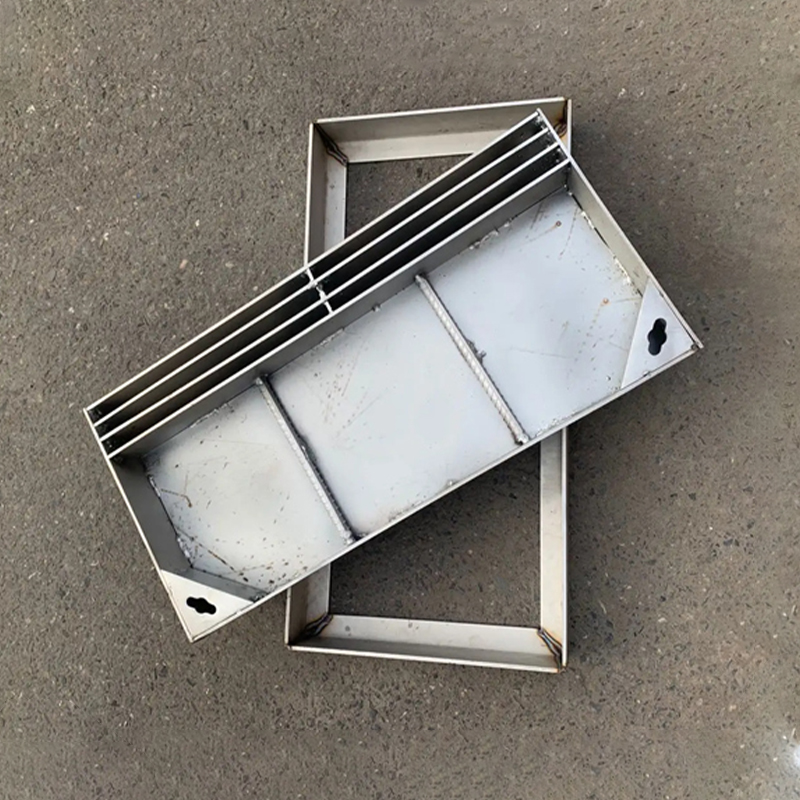
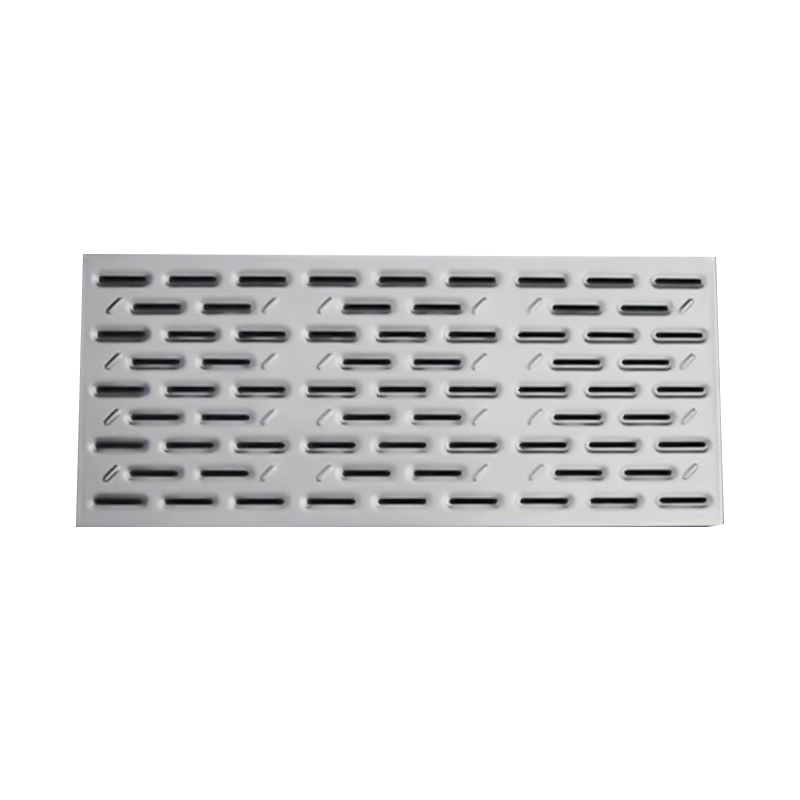
In structural design, stainless steel cover plates must meet multiple requirements such as load-bearing, safety, anti-slip, and drainage. Therefore, reinforcement ribs or frame-embedded structures are often used to enhance rigidity. Depending on application scenarios, different opening designs such as linear drainage slots, grid holes, or concealed seams are adopted.
The manufacturing process generally includes:
- Laser cutting or CNC punching
- Precision bending forming
- Welding (manual or robotic welding)
- Surface treatment (brushed, mirror, or sandblasted finish)
- Load-bearing and flatness testing
Modern manufacturing increasingly relies on automation to ensure consistency and efficiency. Laser cutting ensures millimeter-level precision, while robotic welding significantly improves structural stability.
As a professional manufacturer in traffic and road facility systems, Jiangsu Yameng Traffic Road Facilities Co., Ltd has developed a mature manufacturing system for metal components and municipal infrastructure products. Its stainless steel cover plates are recognized for stability, durability, and strong customization capability in engineering projects.
Material Comparison Table
| Item |
304 Stainless Steel |
316 Stainless Steel |
| Corrosion Resistance |
Medium |
Very high |
| Cost |
Lower |
Higher |
| Application |
General environment |
Coastal/chemical environment |
| Service Life |
10–15 years |
15+ years |
FAQ
Q1: How to choose between 304 and 316 stainless steel cover plates?
A1: Choose based on environment—304 for general use, 316 for corrosive environments.
Q2: Are stainless steel cover plates prone to deformation?
A2: Properly designed reinforced products are not easily deformed under normal load conditions.
3. Industry Competition Landscape and Future Development Direction of Stainless Steel Cover Plates
The stainless steel cover plate industry is currently undergoing a transformation from traditional manufacturing to high-end engineering system solutions. Competition is no longer based solely on price but increasingly depends on technical capability, engineering service capability, and customization efficiency.
Future development trends include:
1. High-performance materials and structural optimization
Companies must continuously improve material composition and structural design, such as adding reinforcement ribs and optimizing drainage systems to enhance safety and load capacity.
2. Enhanced customization and engineering service capability
Modern engineering projects require “made-to-drawing” solutions, meaning suppliers must offer fast design, prototyping, and mass production capabilities.
3. Smart manufacturing and digital production
The introduction of MES systems, automated cutting, and robotic welding enables digital, traceable, and highly efficient production processes.
4. Expansion into international markets
With global infrastructure development, demand in Southeast Asia, the Middle East, and Europe continues to grow.
In this context, Jiangsu Yameng Traffic Road Facilities Co., Ltd leverages its strong experience in traffic infrastructure manufacturing to expand its stainless steel cover plate product applications. By improving production technology and engineering service capabilities, the company is steadily strengthening its position in both domestic and international markets.
Industry Capability Comparison Table
| Capability |
Traditional Manufacturers |
Modern Manufacturers |
| Production Method |
Manual / Semi-automatic |
Fully automated |
| Customization Ability |
Limited |
Strong |
| Delivery Cycle |
Long |
Short |
| Engineering Service |
Basic |
System solution provider |
FAQ
Q1: What is the biggest competition factor in the future?
A1: Technical capability and engineering service ability, not just price.
Q2: Is there still growth potential in this industry?
A2: Yes, especially in urban renewal and overseas infrastructure projects.

 English
 Español
 عربى
عربى