Why Is Cast Iron Drainage Ditch Still Widely Used in Modern Infrastructure Projects?
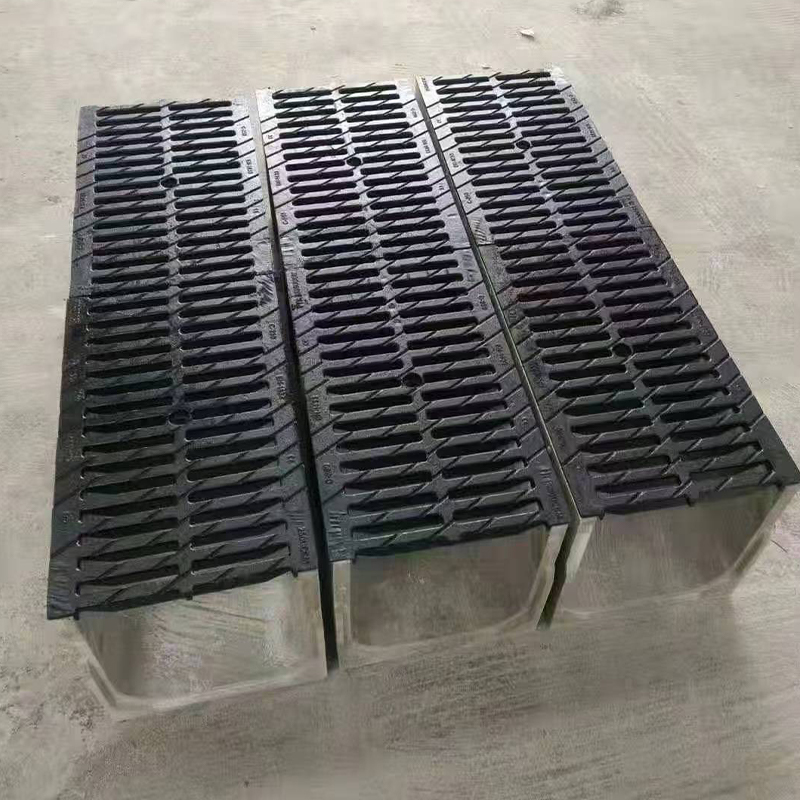
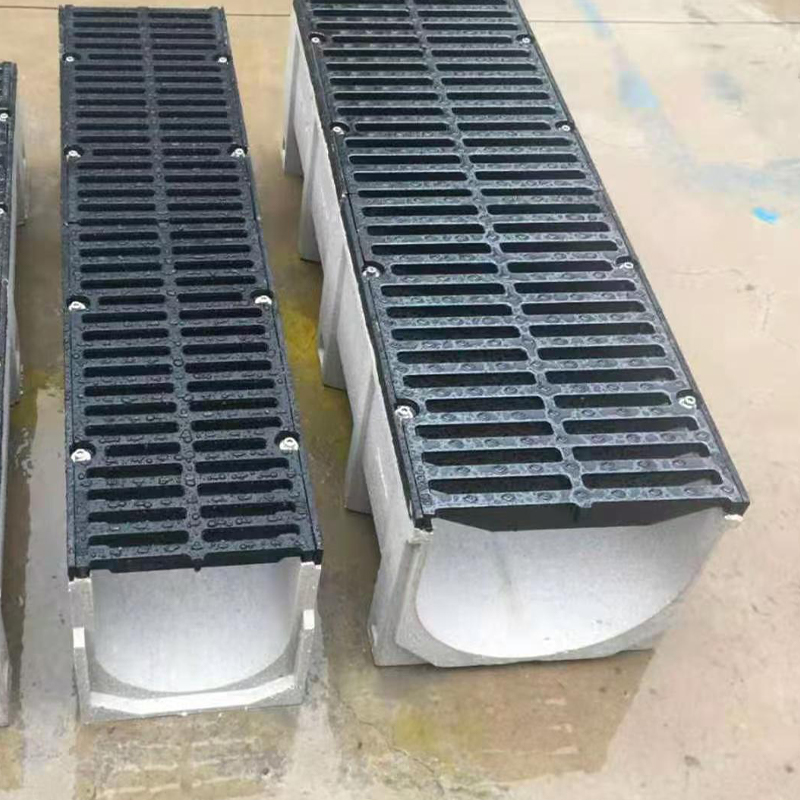
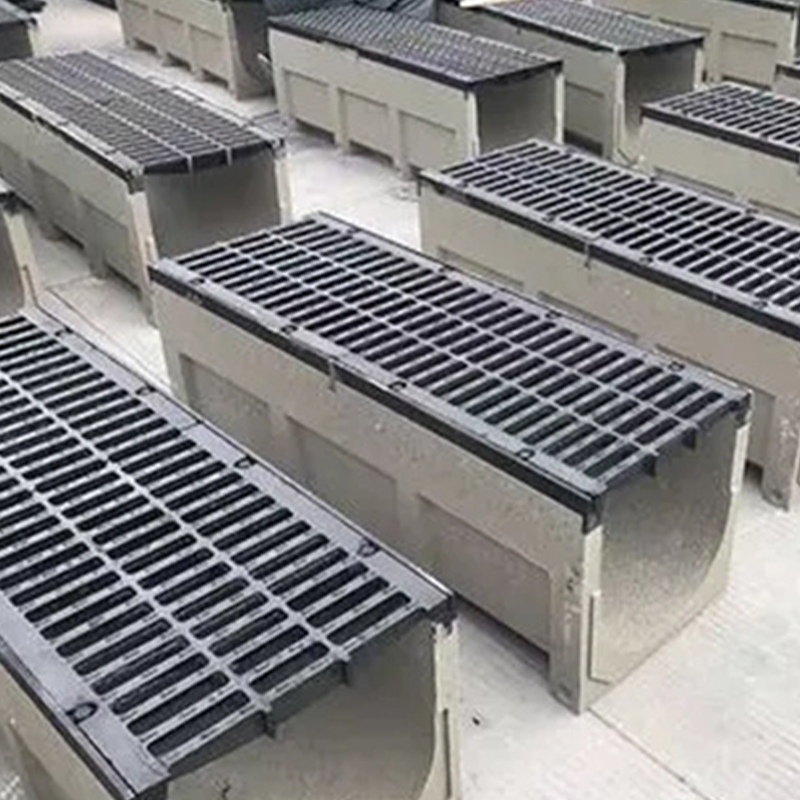
In modern urban development and infrastructure construction, drainage systems play a crucial role in ensuring road safety, preventing flooding, and maintaining long-term structural stability. Among many drainage materials available today, the cast iron drainage ditch remains one of the most reliable and widely used solutions, especially in heavy-duty environments where strength and durability are top priorities.
Cast iron drainage ditches are known for their exceptional load-bearing capacity. Unlike lightweight polymer or resin-based systems, cast iron can withstand extremely high pressure from vehicles, including trucks, buses, forklifts, and heavy industrial machinery. This makes it particularly suitable for highways, industrial parks, ports, airports, logistics centers, and urban road systems where traffic load is consistently high.
Another major advantage is durability. Cast iron has a long history of use in civil engineering because of its resistance to deformation and structural failure. When properly coated and maintained, cast iron drainage systems can operate reliably for decades. Even under continuous heavy traffic and harsh environmental conditions, they maintain their structural integrity without significant damage.
Corrosion resistance is another important factor in modern applications. Although cast iron itself can be vulnerable to rust, modern manufacturing techniques such as epoxy coating, galvanization, and anti-corrosion surface treatments significantly improve its performance. These protective layers help extend service life and reduce maintenance requirements.
In addition, cast iron drainage ditches provide excellent stability under temperature fluctuations. In regions with extreme weather conditions—whether freezing winters or hot summers—cast iron maintains its shape and strength without cracking or warping. This makes it a dependable choice for outdoor infrastructure projects exposed to environmental stress.
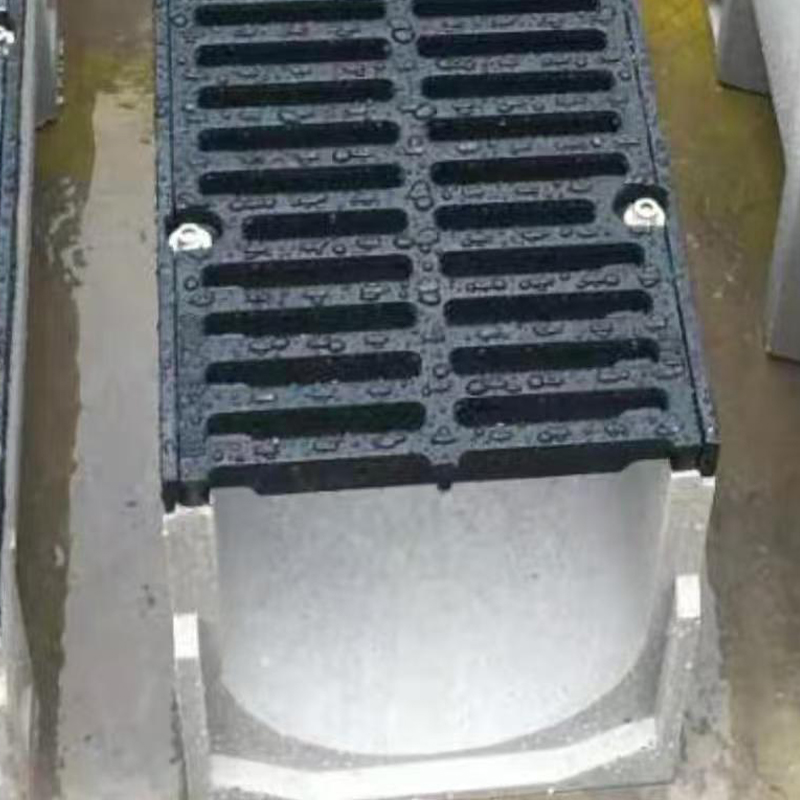
From an engineering perspective, cast iron drainage systems also offer excellent compatibility with heavy-duty grates and covers. EN124 standard ductile iron grates are often used in combination with drainage channels to ensure safe load distribution and prevent surface damage. This integrated system enhances both performance and safety.
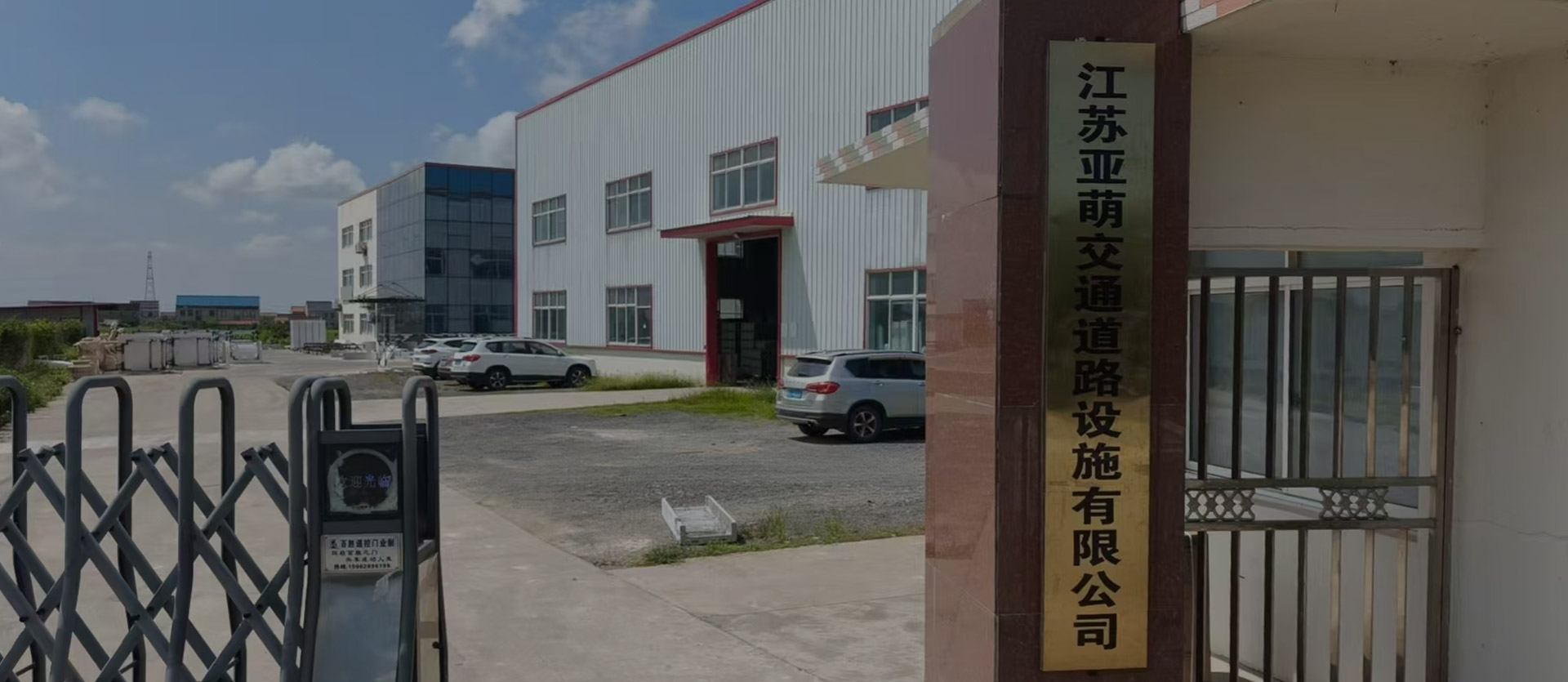
As a professional drainage system supplier, Jiangsu Yameng Traffic Road Facilities Co., Ltd provides a wide range of drainage solutions, including cast iron drainage ditch systems, stainless steel drainage channels, polymer drainage systems, and resin concrete drainage products. Located in Nantong, Jiangsu Province, the company benefits from strong transportation networks and advanced manufacturing support. It focuses on drainage engineering and GRC customization, offering reliable solutions for global infrastructure projects.
The company adheres to the principle of integrity and quality as its foundation, ensuring that every product meets strict performance standards and customer requirements.
| Key Feature |
Cast Iron Drainage Ditch Advantage |
| Load Capacity |
Extremely high |
| Durability |
Long service life |
| Structural Strength |
Resistant to deformation |
| Temperature Resistance |
Stable in extreme climates |
| Compatibility |
Works with heavy-duty grates |
| Maintenance |
Moderate |
| Application Scope |
Heavy traffic environments |
With continuous urban expansion and increasing infrastructure demands, cast iron drainage ditches remain a trusted and essential solution for engineers seeking long-term reliability and structural strength.
How Do Cast Iron Drainage Ditches Perform in Heavy Load and Harsh Environmental Conditions?
One of the most important reasons cast iron drainage ditches are widely used in infrastructure projects is their outstanding performance under heavy loads and harsh environmental conditions. Modern cities and industrial zones require drainage systems that can operate continuously under extreme pressure, and cast iron provides a proven solution.
In heavy traffic environments such as highways, ports, airports, and industrial facilities, drainage systems must withstand constant vibration and mechanical stress. Cast iron drainage ditches excel in these conditions due to their high compressive strength and rigid structure. Unlike plastic or lightweight materials that may deform over time, cast iron maintains its shape and structural integrity even under continuous heavy loads.
Another important factor is resistance to impact. In industrial areas, drainage systems may be exposed to accidental impacts from machinery, forklifts, or falling tools. Cast iron’s toughness helps it absorb and distribute impact forces without cracking or breaking, ensuring long-term reliability.
Environmental resistance is also a key advantage. Cast iron drainage systems are often treated with protective coatings that improve resistance to corrosion, moisture, and chemical exposure. In coastal regions where saltwater exposure is common, or in industrial zones where chemicals are present, these protective layers help prevent rapid deterioration.
Thermal stability is another strong point. Cast iron performs well under both high and low temperature conditions. It does not expand or contract significantly with temperature changes, which helps maintain system stability and reduces the risk of structural failure in extreme climates.
Drainage efficiency is also an important consideration. Cast iron drainage ditches are typically designed with smooth internal surfaces and optimized channel geometry to ensure efficient water flow. When combined with high-quality grates, they provide reliable stormwater management even during heavy rainfall conditions.
As a trusted supplier in the drainage industry, Jiangsu Yameng Traffic Road Facilities Co., Ltd provides cast iron drainage solutions designed for demanding infrastructure applications. The company integrates advanced production processes with strict quality control to ensure that every drainage system meets international standards for strength, durability, and performance.
| Performance Factor |
Cast Iron Drainage Ditch Capability |
| Load Resistance |
Excellent for heavy traffic |
| Impact Resistance |
High durability |
| Corrosion Protection |
Coated surface treatment |
| Temperature Stability |
Performs in extreme climates |
| Water Flow Efficiency |
Stable drainage performance |
| Structural Integrity |
Long-term reliability |
| Industrial Suitability |
Ideal for harsh environments |
Because of these advantages, cast iron drainage ditches remain a preferred solution for engineers working on large-scale infrastructure projects that demand maximum strength and reliability.
What Should You Consider When Choosing a Cast Iron Drainage Ditch Supplier?
Selecting the right supplier for cast iron drainage ditches is essential for ensuring product quality, engineering performance, and long-term infrastructure reliability. Since drainage systems are long-term investments, choosing a reliable manufacturer directly impacts safety, maintenance costs, and project success.
The first factor to consider is manufacturing capability. A professional supplier should have advanced casting facilities, precision machining equipment, and strict quality inspection systems. High-quality manufacturing ensures consistent product strength, accurate dimensions, and reliable performance across different batches.
Material quality is another critical factor. Cast iron used in drainage systems must meet strict engineering standards to ensure strength and durability. In addition, proper alloy composition and heat treatment processes significantly improve mechanical properties and extend service life.
Surface treatment technology is equally important. Since cast iron is naturally prone to corrosion, high-quality suppliers use advanced coatings such as epoxy resin, bitumen coating, or galvanization to enhance resistance to moisture and chemical exposure. This ensures long-term durability in outdoor environments.
As a professional drainage system supplier, Jiangsu Yameng Traffic Road Facilities Co., Ltd is located in Nantong, Jiangsu Province, an area with strong transportation advantages and developed industrial infrastructure. The company specializes in drainage ditch engineering and GRC customization, offering a wide range of drainage products including cast iron drainage ditches, stainless steel drainage systems, polymer drainage channels, and resin-based drainage solutions.
The company’s product range also includes EN124 ductile iron cover plates, stainless steel covers, galvanized steel grates, resin composite covers, and multiple drainage pipe systems such as PE pipes, HDPE pipes, and double-wall corrugated pipes. This allows customers to source complete drainage solutions from a single reliable supplier.
| Supplier Evaluation Factor |
Importance |
| Casting Quality |
Ensures structural strength |
| Surface Treatment |
Improves corrosion resistance |
| Dimensional Accuracy |
Ensures installation fit |
| Production Capacity |
Supports large projects |
| Quality Control System |
Guarantees consistency |
| Product Range |
Enables system integration |
| Technical Support |
Assists engineering design |
| Delivery Reliability |
Ensures project timelines |
Technical support and engineering assistance are also important. A reliable supplier should not only provide products but also offer installation guidance, design recommendations, and after-sales support to ensure optimal system performance.
Cost-effectiveness should be evaluated from a lifecycle perspective. While cast iron drainage systems may have higher initial costs compared to lightweight alternatives, their long service life and low failure rate often result in lower total maintenance costs over time.

 English
 Español
 عربى
عربى