Why Are GRC Architectural Decor Components Becoming a Key Material in Modern Building Design?
In modern architecture, the demand for materials that combine aesthetic freedom, structural reliability, and long-term durability has never been higher. Traditional materials such as natural stone, gypsum, and precast concrete often face limitations in weight, cost, and design flexibility. In contrast, GRC architectural decor components have become a preferred solution for architects, engineers, and developers worldwide.
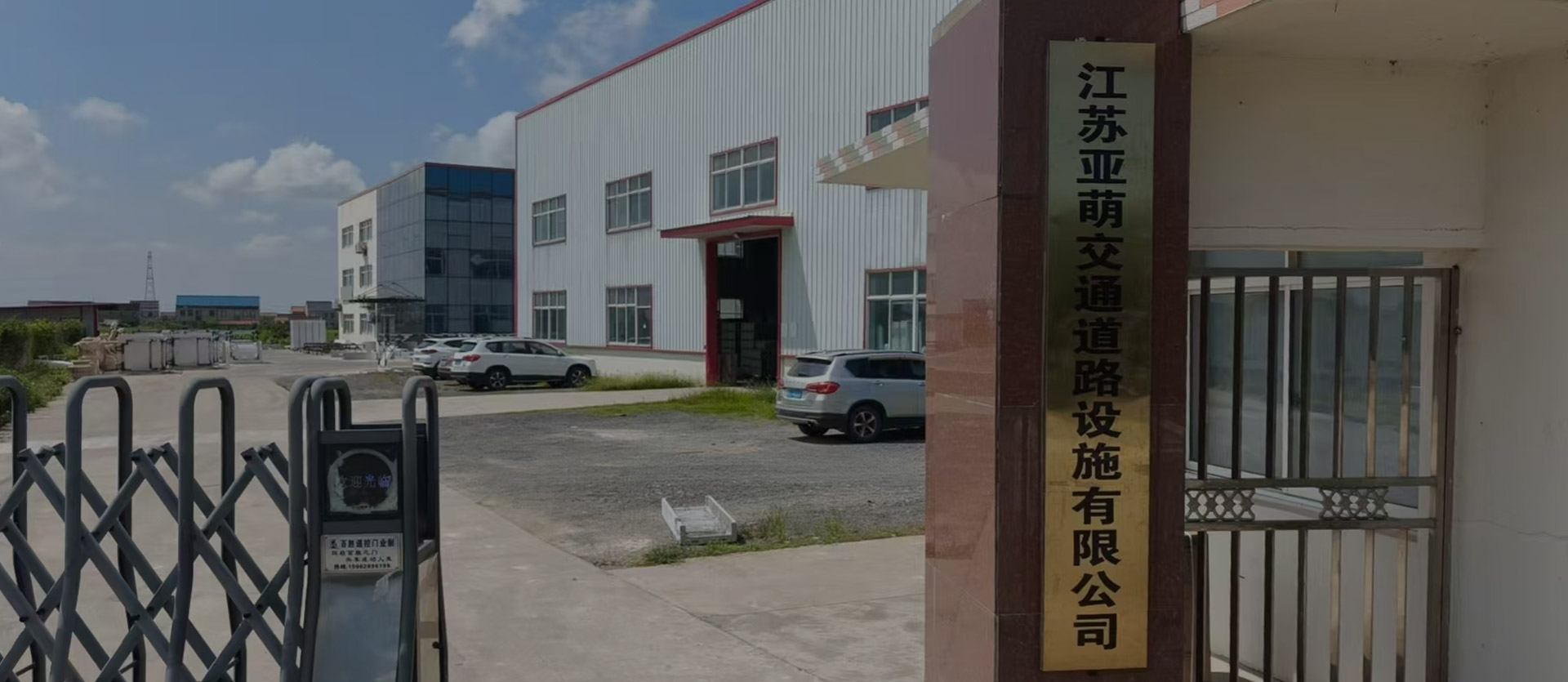
As a professional manufacturer in this field, Jiangsu Yameng Traffic Road Facilities Co., Ltd focuses on producing high-quality GRC architectural components that support both functional construction needs and artistic architectural expression. The company integrates advanced molding technology, skilled engineering teams, and strict quality control systems to ensure every product meets modern construction standards.
GRC materials are composed of cement, fine aggregates, water, and alkali-resistant glass fibers. This combination significantly enhances tensile strength while keeping the material lightweight. One of the biggest advantages of GRC is its ability to be molded into complex and highly detailed shapes, making it ideal for architectural decoration where visual impact is essential.
GRC architectural components are widely used in:
- Building facades and exterior wall systems
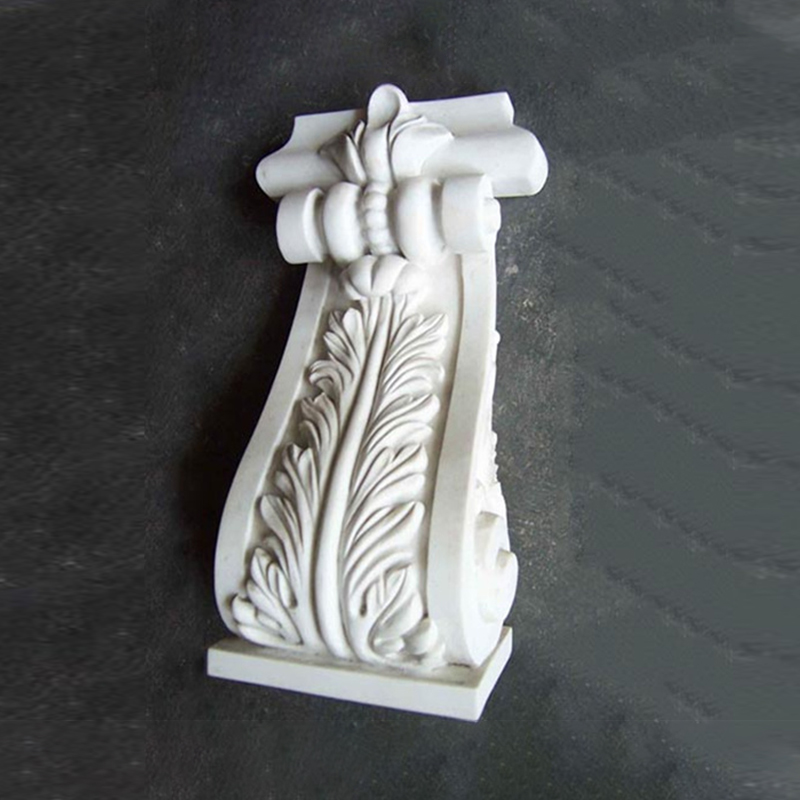
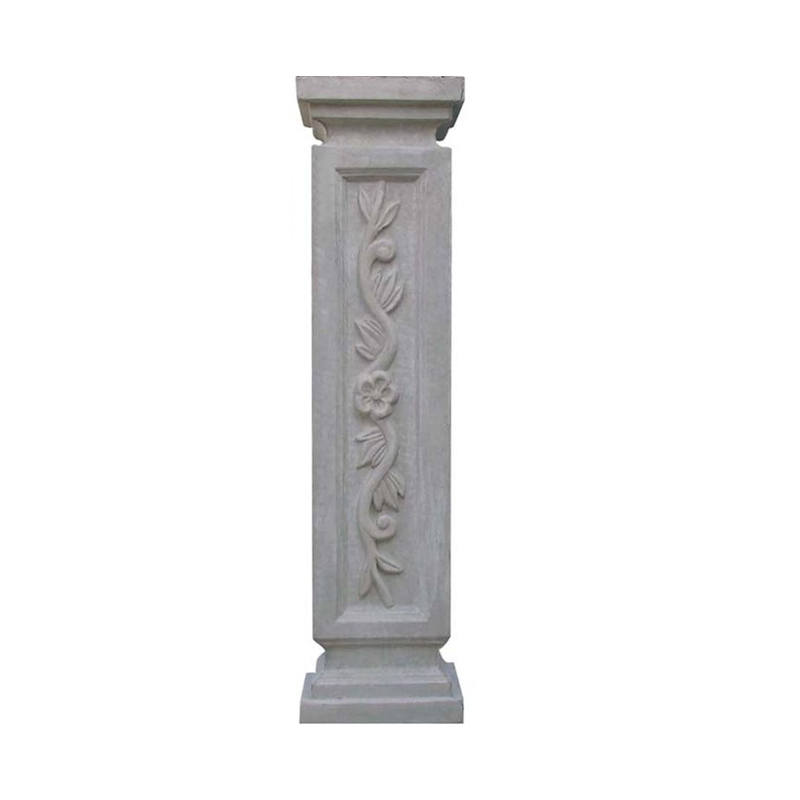
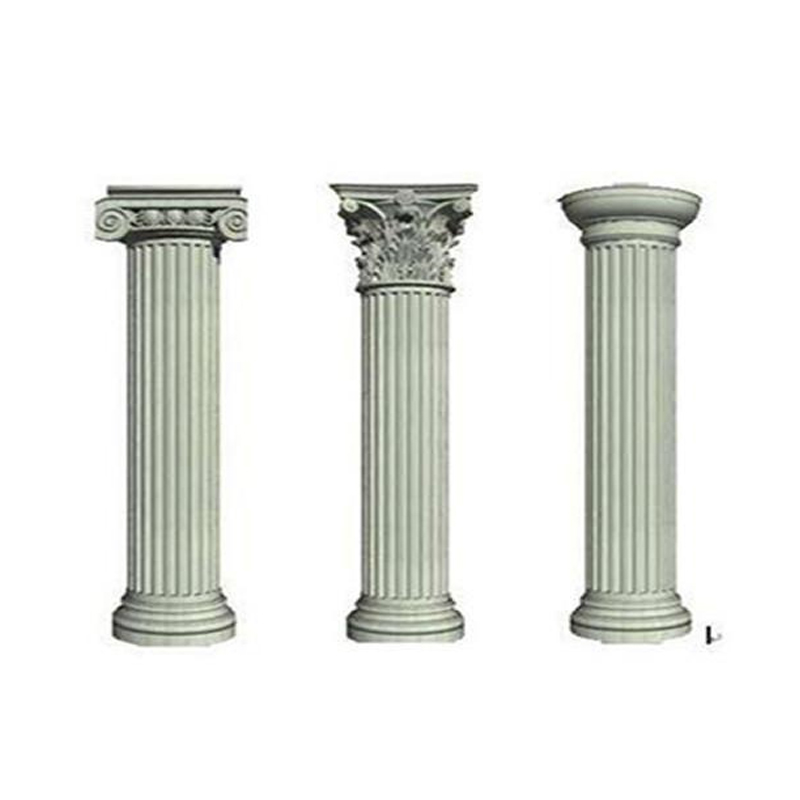
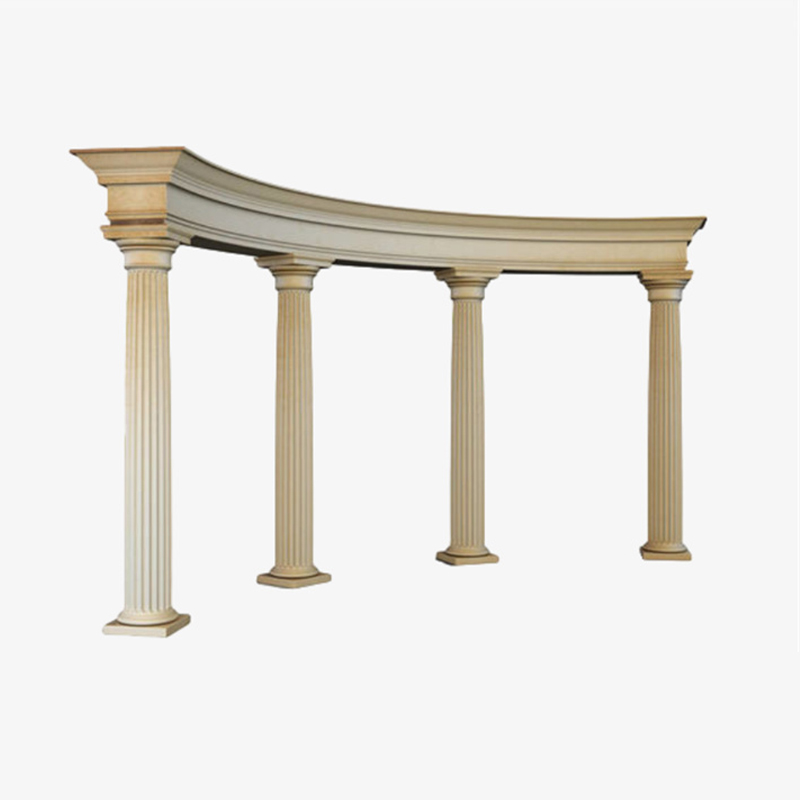
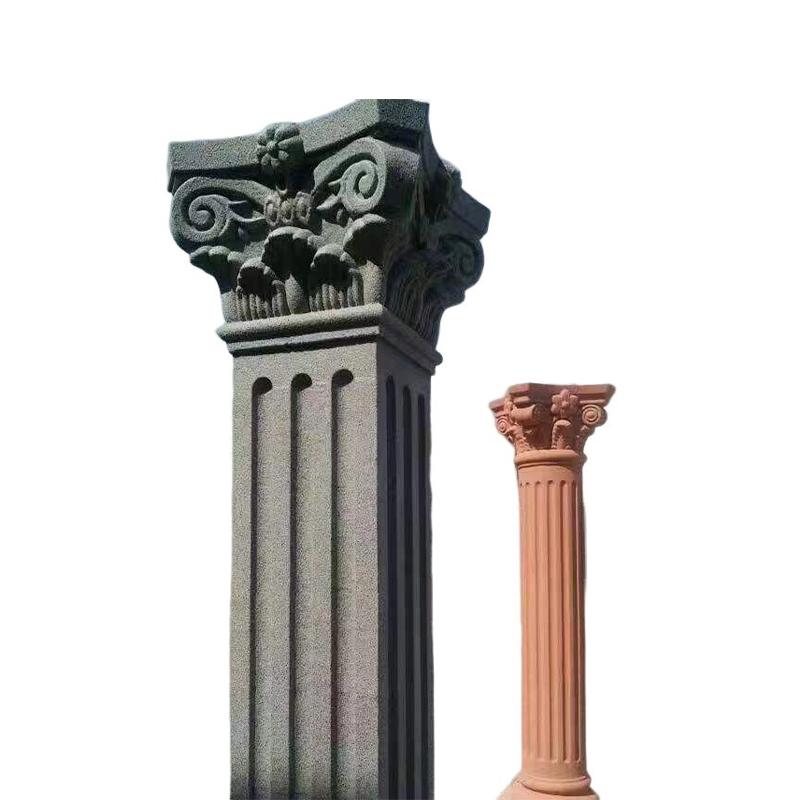
- Decorative columns and structural ornaments
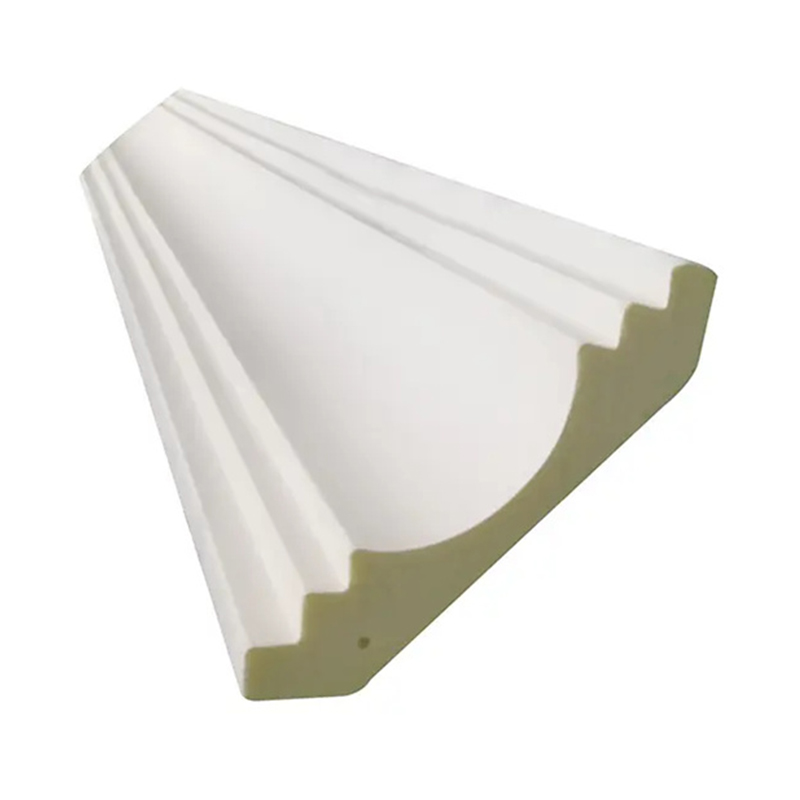
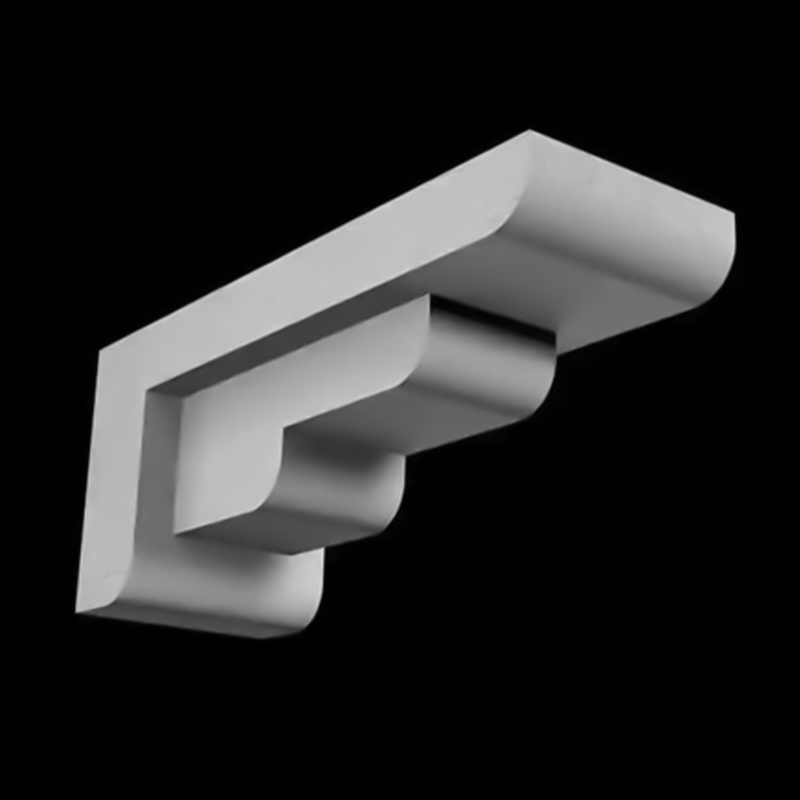
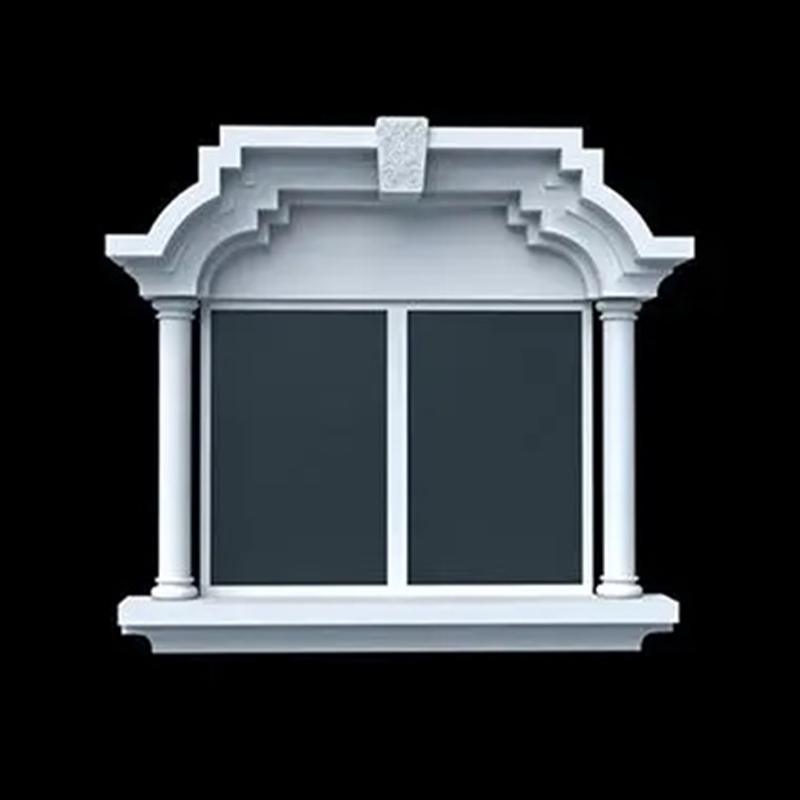
- Window surrounds and cornices
- Balcony panels and railing systems
- Landscape and public architectural features
Compared to natural stone, GRC reduces structural load while maintaining similar visual texture and appearance. This makes it especially suitable for high-rise buildings and large-scale commercial developments.
Key advantages include:
- Lightweight structure reduces construction load
- High durability and crack resistance
- Excellent design flexibility for complex shapes
- Weather resistance against UV, rain, and temperature changes
- Cost efficiency compared to stone materials
| Feature |
GRC Advantage |
Construction Benefit |
| Weight |
Much lighter than stone |
Reduces structural load |
| Strength |
Reinforced with glass fiber |
Long-term durability |
| Design |
Highly moldable |
Complex architectural forms |
| Weather Resistance |
Anti-aging and corrosion resistant |
Suitable for outdoor use |
Through continuous innovation, Jiangsu Yameng Traffic Road Facilities Co., Ltd ensures that its GRC architectural components meet the evolving demands of modern architecture, delivering both structural reliability and aesthetic excellence.
FAQ
Q1: What makes GRC better than traditional concrete for decoration?
A1: It is lighter, stronger in tensile performance, and much more flexible in design.
Q2: Can GRC components be customized?
A2: Yes, they can be fully customized according to architectural drawings and project requirements.
Q3: Are GRC materials suitable for outdoor use?
A3: Yes, they are highly resistant to weather, UV exposure, and aging.
How Do GRC Decorative Elements Enhance Architectural Aesthetics and Project Value?
Architectural design is no longer limited to functionality alone; visual identity and artistic expression have become essential elements of modern construction. GRC decorative elements play a critical role in achieving this balance by offering designers the freedom to create detailed, expressive, and visually impressive structures.
As a specialized manufacturer, Jiangsu Yameng Traffic Road Facilities Co., Ltd produces a wide range of GRC decorative elements that combine craftsmanship with industrial precision. The company uses advanced CNC mold technology, high-precision production systems, and professional design teams to transform architectural concepts into durable and elegant decorative components.
GRC decorative elements are widely used in:
- Hotel and resort building facades
- Commercial complex exterior decoration
- Cultural and public buildings
- Luxury residential architecture
- Landscape and urban art installations
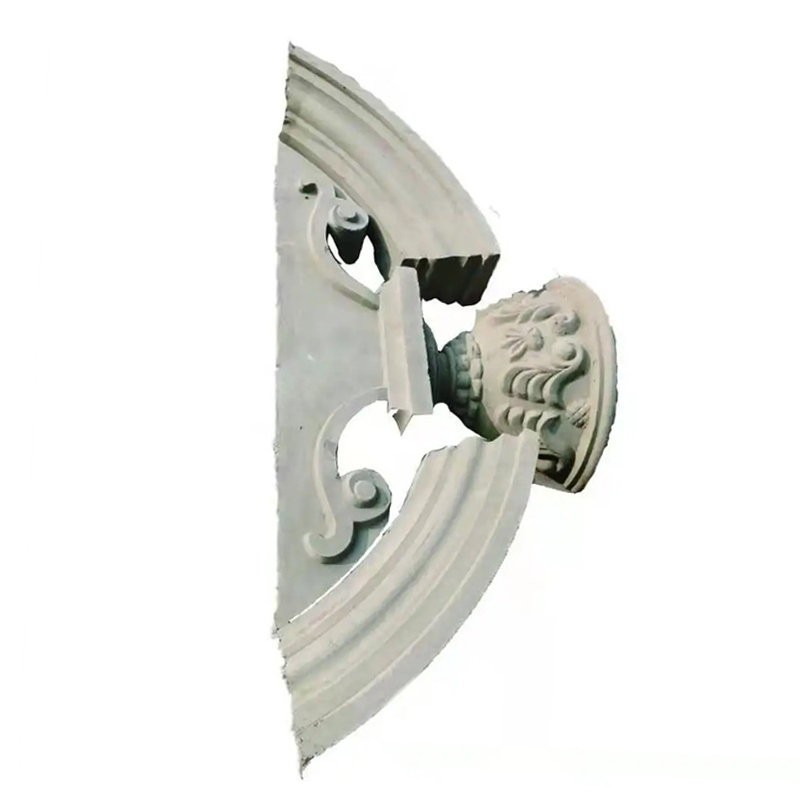
These elements can replicate classical architectural styles such as European columns, Roman cornices, and ornamental reliefs, while also supporting modern minimalist design trends. This versatility makes GRC a powerful material for enhancing both traditional and contemporary architectural aesthetics.
Key advantages include:
- High artistic flexibility for complex designs
- Strong resistance to environmental aging
- Lightweight structure for easier installation
- High customization based on project needs
- Lower maintenance cost compared to natural materials
| Decorative Type |
Function |
Application Scenario |
| Facade Panels |
Exterior wall decoration |
Commercial buildings |
| Columns |
Structural and aesthetic support |
Hotels, villas |
| Cornices |
Edge detailing and transition |
Classical architecture |
| Relief Art |
Artistic expression |
Cultural buildings |
| Custom Elements |
Personalized architectural identity |
Landmark projects |
By combining engineering precision with artistic design capability, Jiangsu Yameng Traffic Road Facilities Co., Ltd helps clients enhance the visual value and market appeal of their architectural projects.
FAQ
Q1: Can GRC decorative elements replicate natural stone appearance?
A1: Yes, they can closely mimic stone textures and finishes.
Q2: Are these elements suitable for modern architecture?
A2: Absolutely, they are widely used in both modern and classical designs.
Q3: Do GRC decorative parts require frequent maintenance?
A3: No, they require minimal maintenance due to their durability.
Why Should Architects and Developers Choose GRC Materials for Modern Construction Projects?
In modern construction, architects and developers are constantly seeking materials that offer a balance between performance, cost efficiency, and design flexibility. GRC (Glass Fiber Reinforced Concrete) has emerged as one of the most effective solutions to meet these demands, especially in architectural decoration and façade engineering.
Jiangsu Yameng Traffic Road Facilities Co., Ltd is a professional manufacturer specializing in GRC architectural decor components and decorative elements. The company provides integrated solutions from design support and mold development to production and delivery, ensuring consistent quality and project reliability.
One of the key reasons GRC is widely adopted is its ability to significantly reduce structural load while maintaining high strength. This makes it particularly valuable for high-rise buildings, large commercial complexes, and renovation projects where weight reduction is critical.
GRC also offers excellent adaptability. It can be molded into virtually any shape, allowing architects to implement complex geometries and artistic designs that would be difficult or expensive with traditional materials.
Main advantages include:
- High design freedom for architectural creativity
- Reduced structural load and foundation cost
- Excellent durability in harsh environments
- Cost-effective production and installation process
- Sustainable and long-life performance material
| Selection Factor |
GRC Advantage |
Project Impact |
| Weight |
Lightweight material |
Reduced structural cost |
| Design |
Highly customizable |
Greater architectural freedom |
| Durability |
Weather resistant |
Long service life |
| Cost |
Lower installation cost |
Budget optimization |
With strong production capability and strict quality control, Jiangsu Yameng Traffic Road Facilities Co., Ltd ensures that every GRC product meets international standards and contributes to safer, more efficient, and visually impressive construction projects.
FAQ
Q1: Is GRC suitable for large-scale projects?
A1: Yes, it is widely used in commercial, residential, and public infrastructure projects.
Q2: Can GRC reduce construction costs?
A2: Yes, it reduces structural load and installation expenses.
Q3: Does the company provide customized solutions?
A3: Yes, full customization is available based on project requirements.

 English
 Español
 عربى
عربى