What Are GRC Door and Window Frames and Why Are They Widely Used in Modern Construction?
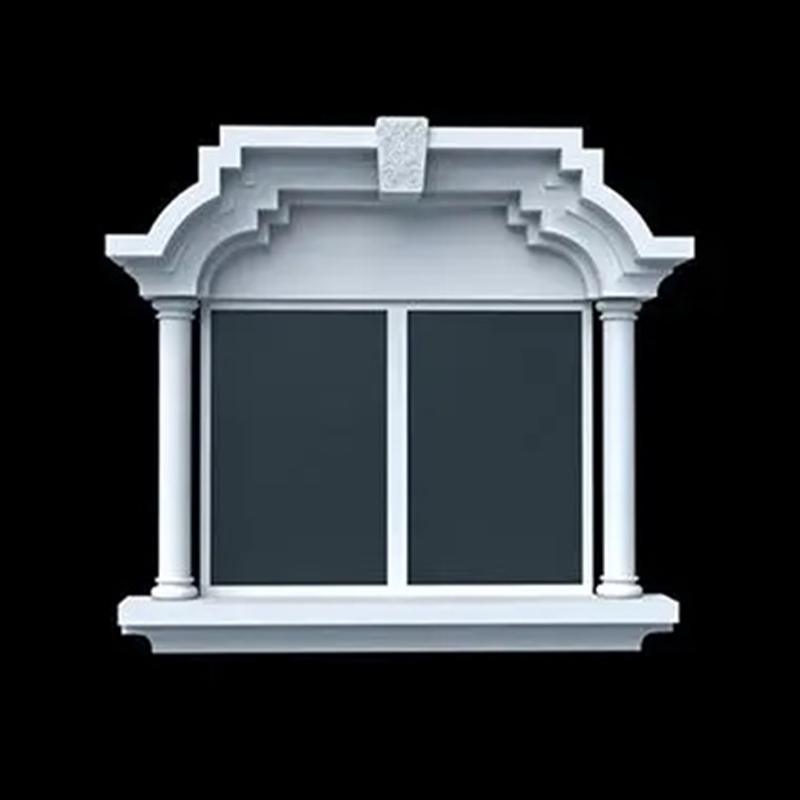
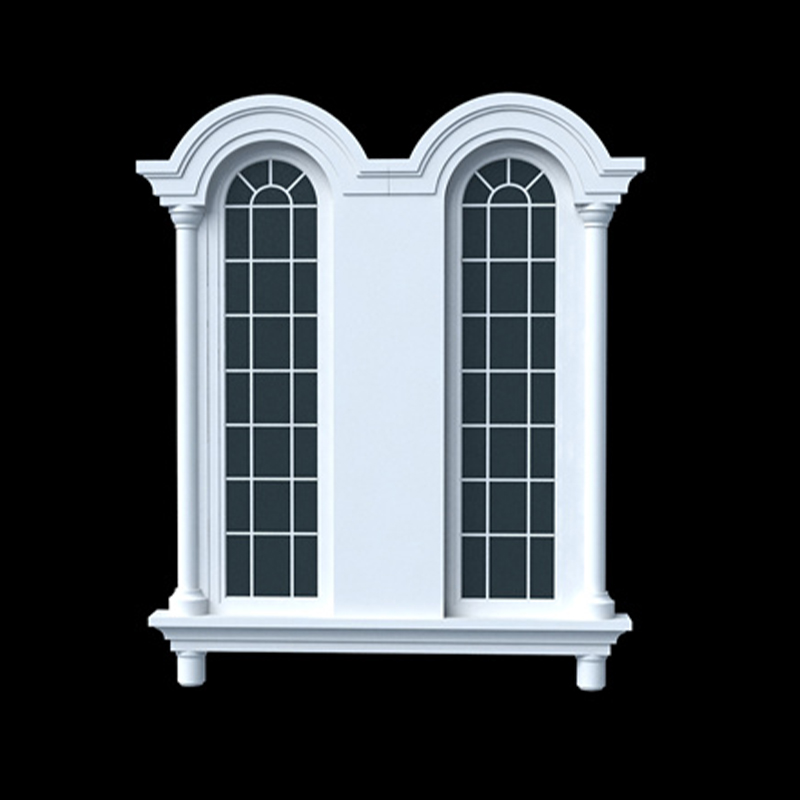
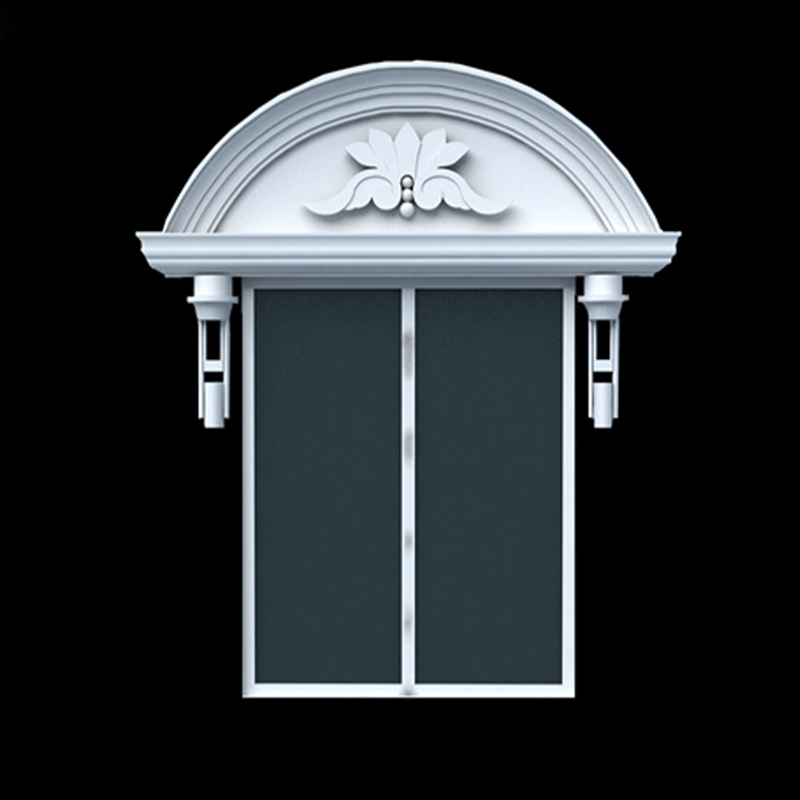
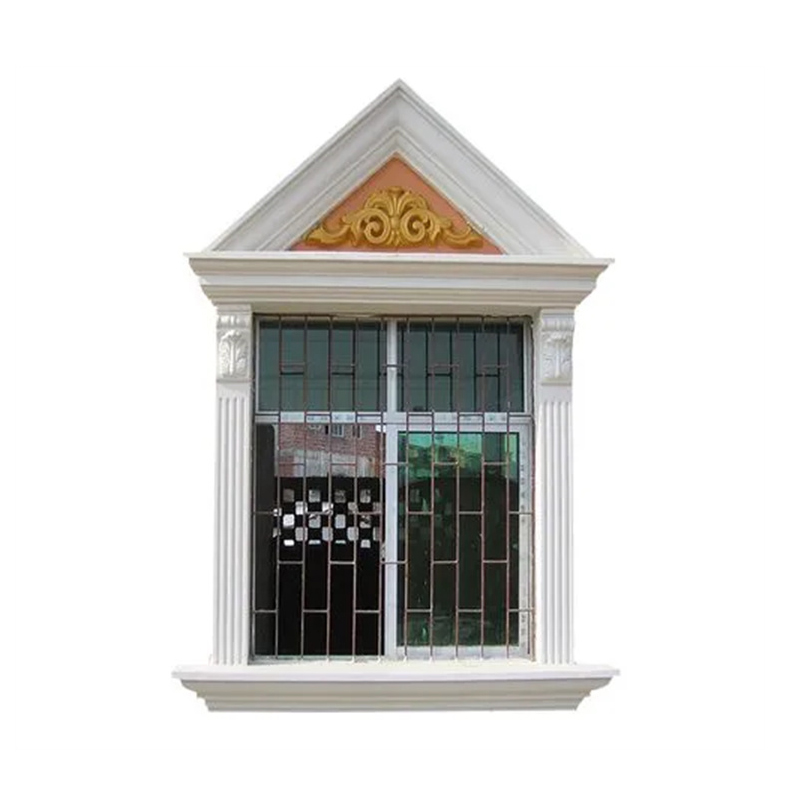
GRC door and window frames (Glassfibre Reinforced Concrete frames) are advanced architectural components made from a composite material consisting of cement, fine aggregates, water, and alkali-resistant glass fibers. They are designed to replace traditional materials such as natural stone, wood, and precast concrete in building façade opening systems, providing both structural functionality and decorative value.
In modern construction, door and window frames are no longer simple boundary elements. They have become an important part of architectural façade design, influencing building aesthetics, durability, and energy efficiency. GRC frames are widely used in residential buildings, commercial complexes, hotels, cultural institutions, and urban infrastructure projects due to their excellent balance of performance and design flexibility.
One of the most important advantages of GRC door and window frames is their lightweight structure. Compared with natural stone, GRC products can reduce weight by 50%–70%, which significantly lowers structural load on buildings. This makes them particularly suitable for high-rise buildings and large façade systems where weight reduction is critical for safety and engineering efficiency.
Another key advantage is design freedom. GRC materials can be molded into highly detailed profiles, including classical European styles, modern minimalist lines, and complex decorative frames. This allows architects to integrate both structural framing and artistic expression in a single system, which is difficult to achieve with traditional materials.
In addition, GRC frames offer excellent resistance to weathering, moisture, and fire. They are non-combustible and perform well in extreme environmental conditions such as coastal humidity, temperature fluctuations, and UV exposure. This ensures long-term durability and low maintenance costs.
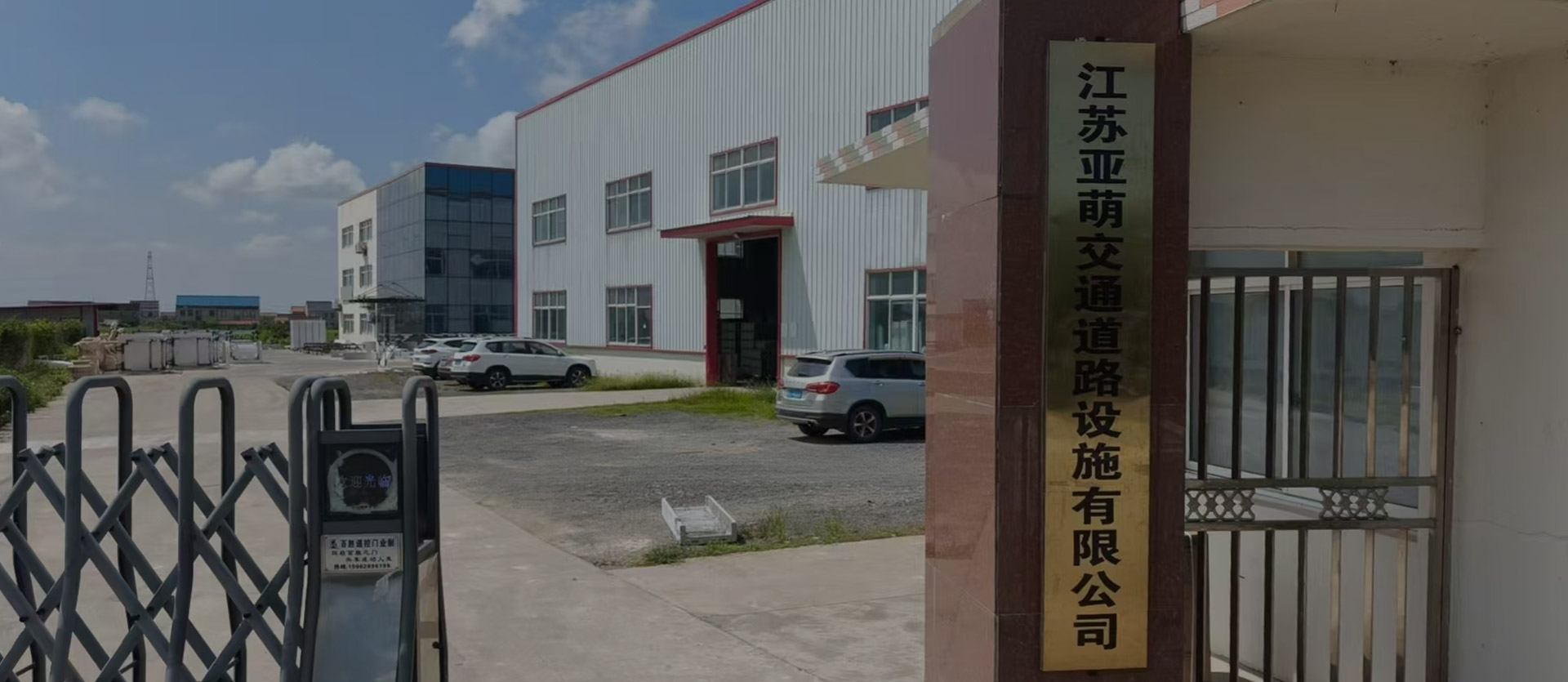
As a professional manufacturer and supplier in the construction materials industry, Jiangsu Yameng Traffic Road Facilities Co., Ltd applies industrial-grade production standards to architectural components, including GRC door and window frames. With strong engineering capabilities and manufacturing experience in infrastructure-related products, the company provides customized solutions for different architectural projects, ensuring quality consistency and structural reliability.
Material Comparison Table
| Material |
Weight |
Durability |
Design Flexibility |
Maintenance |
| GRC Frames |
Lightweight |
High |
Very high |
Low |
| Natural Stone |
Heavy |
High |
Limited |
Medium |
| Wood |
Medium |
Medium |
Medium |
High |
| Precast Concrete |
Heavy |
High |
Low |
Low |
GRC door and window frames represent a modern upgrade of traditional architectural framing systems, combining aesthetics, durability, and engineering efficiency.
FAQ
Q1: What are GRC door and window frames used for?
A1: They are used to frame architectural openings while providing decorative and protective façade functions.
Q2: Are GRC frames suitable for exterior environments?
A2: Yes, they are highly resistant to weather, moisture, and UV exposure.
How Are GRC Door and Window Frames Manufactured to Ensure Precision and Structural Strength?
The manufacturing of GRC door and window frames is a highly engineered process that combines material science, precision molding, and strict quality control. The goal is to ensure that each frame achieves both architectural accuracy and long-term durability under real-world conditions.
The process begins with digital design and engineering modeling. Using CAD and BIM systems, engineers define frame dimensions, profile details, decorative patterns, and installation interfaces. This step ensures that the final product integrates seamlessly with building façades and structural systems.
After design approval, molds are fabricated using steel, fiberglass, or composite materials. These molds determine the final shape and surface texture of the frames. High-quality molds are essential for achieving sharp edges, consistent dimensions, and detailed architectural patterns.
Next comes material preparation. The GRC mixture consists of cement, fine aggregates, water, and alkali-resistant glass fibers. These fibers play a critical role in improving tensile strength and preventing cracking, especially in thin or decorative frame sections.
The material is then applied into molds using spraying or casting techniques. Spraying is preferred in industrial production because it ensures even fiber distribution throughout the structure, eliminating weak points and improving mechanical strength.
After forming, the frames undergo compaction to remove air voids and increase density. This step is crucial for achieving structural integrity and long-term durability, especially in outdoor environments exposed to wind load and temperature changes.
Curing is one of the most important stages. Frames are placed in controlled environments where temperature and humidity are carefully regulated. Proper curing ensures full cement hydration, which directly affects strength, stability, and lifespan.
Once cured, the frames are demolded and processed through finishing operations such as trimming, edge refinement, surface grinding, and optional coating or painting. These processes ensure the frames meet architectural design requirements and installation precision.
Quality inspection is conducted, including dimensional checks, surface evaluation, and strength testing. Only products that meet engineering standards are approved for shipment.
As a manufacturing-focused enterprise, Jiangsu Yameng Traffic Road Facilities Co., Ltd applies strict industrial production systems to ensure consistency and reliability. Its expertise in infrastructure and building component manufacturing enables it to supply high-quality GRC door and window frames for large-scale construction projects.
GRC Manufacturing Process Overview
| Stage |
Description |
Function |
| Design |
CAD/BIM modeling |
Accuracy control |
| Mold Making |
Precision fabrication |
Shape definition |
| Mixing |
Fiber-reinforced cement |
Strength formation |
| Spraying |
Layered application |
Uniform structure |
| Curing |
Controlled hardening |
Durability development |
| Finishing |
Surface treatment |
Aesthetic quality |
This process ensures that GRC frames achieve high strength, precision, and architectural consistency, making them suitable for demanding construction environments.
FAQ
Q1: Why is glass fiber important in GRC frames?
A1: It enhances tensile strength and prevents cracking under stress.
Q2: Can GRC frames replicate classical architectural designs?
A2: Yes, molds allow highly detailed and customizable decorative patterns.
Where Are GRC Door and Window Frames Most Commonly Used in Modern Architecture?
GRC door and window frames are widely used in modern architecture due to their versatility, durability, and aesthetic adaptability. They serve both functional and decorative roles, making them suitable for a wide range of building types.
In residential construction, GRC frames are commonly used in villas, luxury homes, and apartment buildings. They enhance façade appearance by providing elegant outlines for doors and windows while maintaining a lightweight structure that reduces building load.
In commercial buildings such as hotels, shopping malls, office complexes, and mixed-use developments, GRC frames are used to create strong architectural identity. They help define façade rhythm and improve visual consistency across large building surfaces.
In cultural and public buildings, including museums, theaters, exhibition centers, and government facilities, GRC frames are used to express classical or artistic architectural language. They are often combined with columns, cornices, and decorative panels to create unified façade systems.
In urban infrastructure and renovation projects, GRC frames are especially valuable due to their lightweight nature. They can be installed on existing structures without requiring major structural reinforcement, making them ideal for building upgrades and façade retrofitting.
Companies such as Jiangsu Yameng Traffic Road Facilities Co., Ltd support these applications by providing engineered construction materials and customized GRC solutions. With strong manufacturing capabilities in infrastructure and building product systems, the company ensures reliable supply for both domestic and international engineering projects.
Application Overview Table
| Application Area |
Usage Type |
Key Benefit |
| Residential Buildings |
Doors & windows |
Aesthetic enhancement |
| Hotels & Resorts |
Decorative façades |
Luxury appearance |
| Commercial Complexes |
Structural framing |
Brand identity |
| Public Infrastructure |
Renovation projects |
Lightweight integration |
As global architecture continues to evolve toward lightweight, durable, and customizable materials, GRC door and window frames are becoming an essential component of modern façade systems.
FAQ
Q1: Are GRC frames suitable for high-rise buildings?
A1: Yes, their lightweight nature makes them ideal for high-rise façade applications.
Q2: Do they require frequent maintenance?
A2: No, they require minimal maintenance due to strong weather resistance.

 English
 Español
 عربى
عربى