Why Are Resin Drainage Channels Becoming Essential in Modern Drainage Systems?
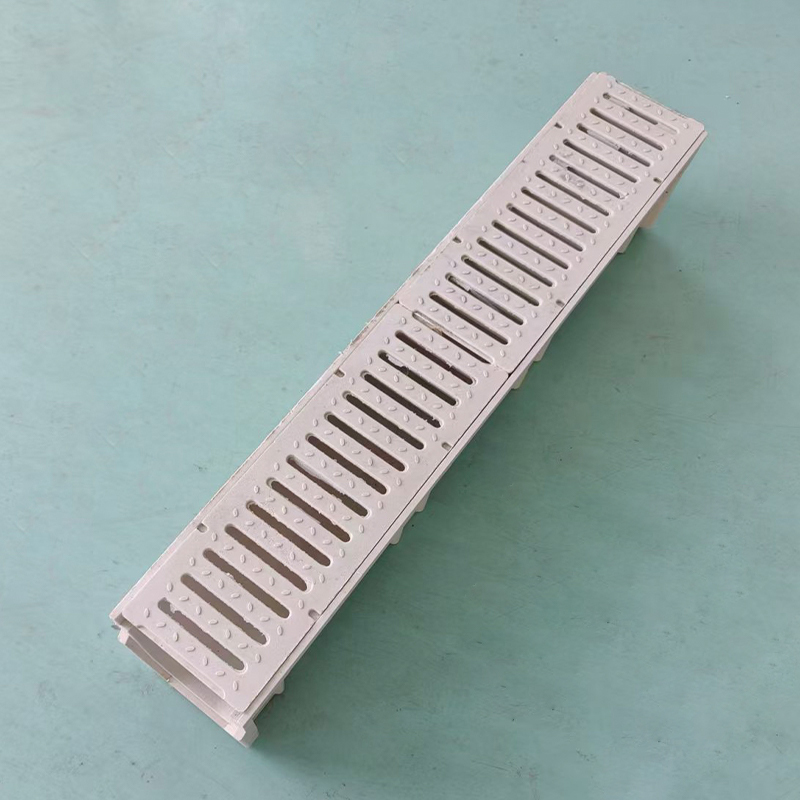
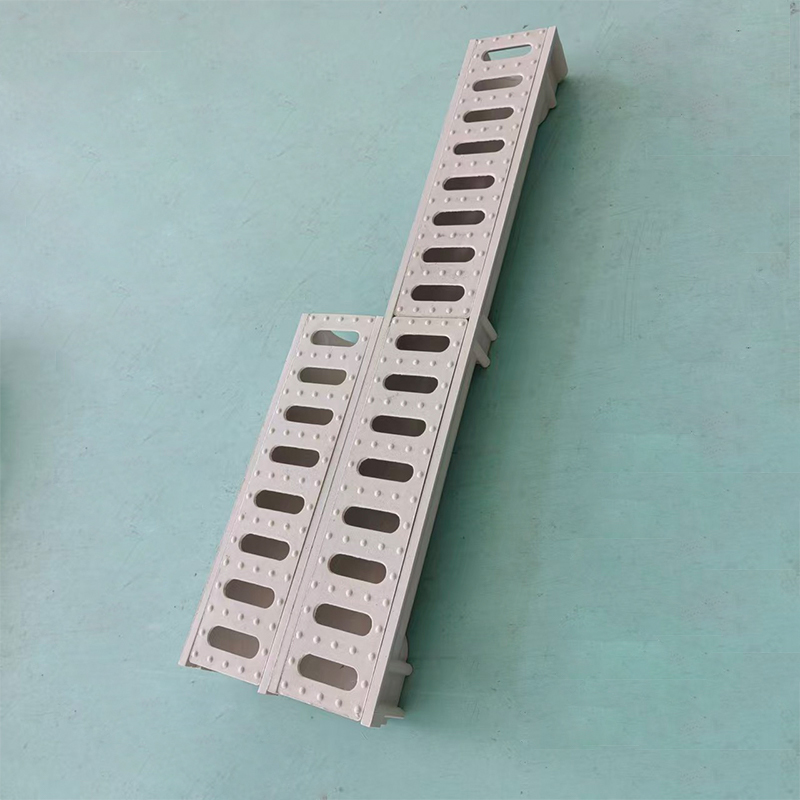
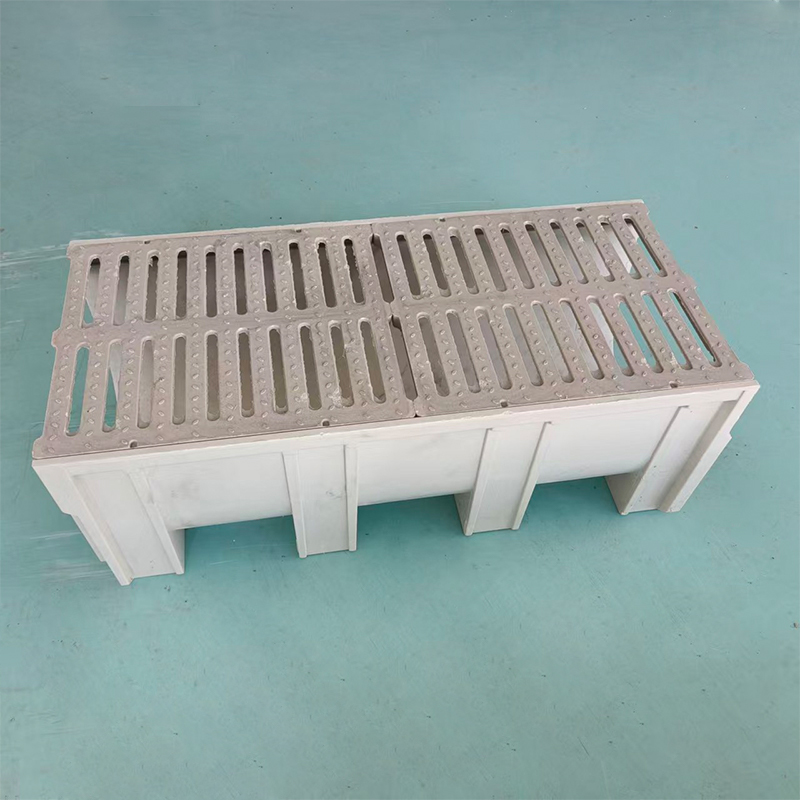
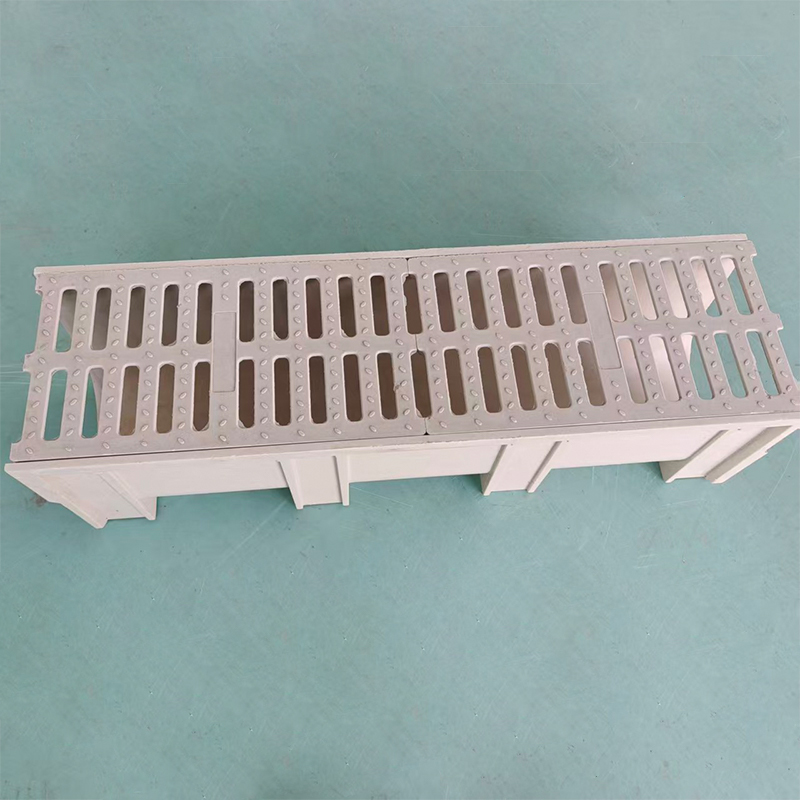
In modern urban construction and infrastructure development, drainage systems play a critical role in ensuring road safety, protecting buildings, and maintaining environmental sustainability. Among the many drainage solutions available today, resin drainage channels have rapidly become one of the most preferred options for engineers, contractors, and municipal planners. Their excellent mechanical strength, corrosion resistance, lightweight structure, and long service life make them highly suitable for a wide range of applications including highways, industrial parks, airports, commercial plazas, residential communities, and logistics centers.
Compared with traditional concrete drainage systems, resin drainage channels provide a more advanced and efficient solution. Traditional concrete channels are often heavy, difficult to transport, and vulnerable to cracking after long-term exposure to harsh environmental conditions. Resin drainage channels, however, are manufactured using high-strength resin concrete materials that combine mineral aggregates with advanced resin binders. This unique composition provides superior compressive strength while significantly reducing overall weight.
One of the most important advantages of resin drainage channels is their ability to withstand heavy traffic loads without deformation. In modern cities where road traffic volume continues to increase, drainage systems must maintain stable performance under constant pressure from trucks, buses, and industrial vehicles. Resin channels are designed to meet strict load-bearing standards, making them suitable for both light-duty pedestrian areas and heavy-duty industrial environments.
Another reason why resin drainage systems are becoming increasingly popular is their excellent hydraulic performance. The smooth internal surface of resin channels allows water to flow more efficiently compared with rough concrete surfaces. Efficient water flow reduces sediment buildup and minimizes the possibility of blockage, which is extremely important during heavy rainfall or stormwater discharge situations. Proper drainage can effectively prevent flooding, road erosion, and water accumulation that may damage infrastructure.
In addition, resin drainage channels demonstrate excellent resistance to chemical corrosion, acids, oils, and salt exposure. This makes them particularly suitable for coastal regions, chemical plants, food processing facilities, and industrial zones where traditional materials may deteriorate quickly. Because of their strong environmental adaptability, resin drainage channels can maintain stable performance even in challenging climates and harsh operating conditions.
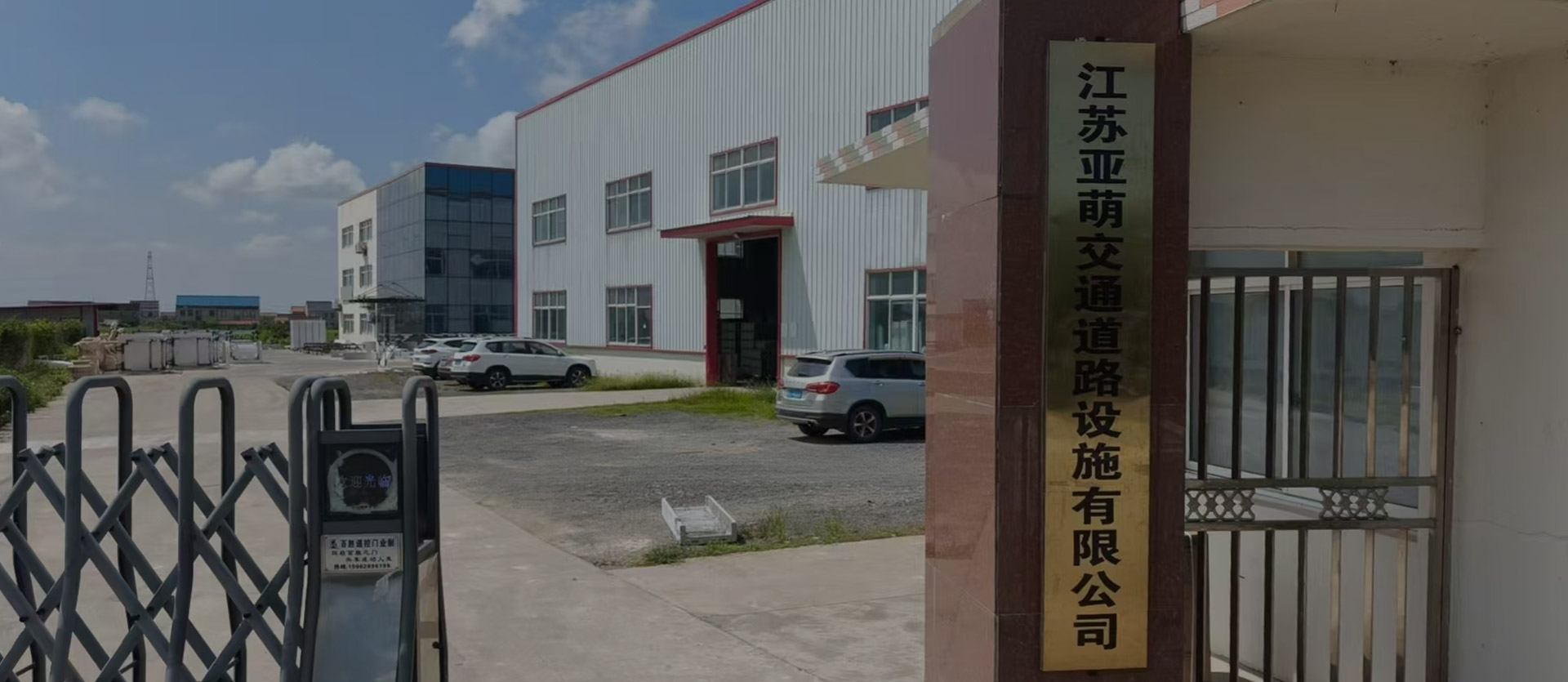
As a professional manufacturer in the traffic and road facilities industry, Jiangsu Yameng Traffic Road Facilities Co., Ltd has been committed to providing high-quality drainage solutions for global infrastructure projects. The company integrates advanced manufacturing technology, strict quality control, and innovative engineering concepts to produce durable resin drainage systems that meet international standards. Through years of industry experience, Jiangsu Yameng Traffic Road Facilities Co., Ltd has successfully supplied drainage products for municipal engineering, commercial construction, transportation projects, and industrial facilities.
Another major advantage of resin drainage channels is their contribution to sustainable urban development. Modern cities are placing greater emphasis on environmental protection and efficient stormwater management. Resin drainage systems help optimize rainwater collection and discharge efficiency while reducing maintenance frequency and replacement costs. Their long service life also minimizes material waste and supports environmentally responsible construction practices.
The aesthetic flexibility of resin drainage channels is another factor driving their popularity. Modern architectural projects increasingly require drainage systems that combine functionality with attractive appearance. Resin channels can be paired with various grate designs such as galvanized steel grates, stainless steel grates, ductile iron covers, and decorative composite grates to match different project styles.
| Comparison Item |
Resin Drainage Channel |
Traditional Concrete Channel |
| Weight |
Lightweight |
Heavy |
| Corrosion Resistance |
Excellent |
Moderate |
| Installation Efficiency |
Fast |
Slower |
| Water Flow Performance |
Smooth and efficient |
Rougher surface |
| Maintenance Frequency |
Low |
Higher |
| Service Life |
Long-term durability |
Moderate lifespan |
| Environmental Adaptability |
Excellent |
Limited |
Furthermore, resin drainage channels are increasingly used in smart city infrastructure projects because of their compatibility with modern drainage engineering systems. Their modular design allows flexible installation and easier future expansion. This adaptability makes them an ideal choice for rapidly developing urban environments where infrastructure upgrades are frequently required.
With global infrastructure demands continuing to grow, resin drainage channels are expected to remain an essential component in modern construction projects. Companies like Jiangsu Yameng Traffic Road Facilities Co., Ltd continue to drive innovation in drainage technology, helping customers achieve safer, more efficient, and more sustainable drainage solutions for long-term development.
How Do Resin Drainage Channels Improve Installation Efficiency and Reduce Maintenance Costs?
Construction efficiency and long-term maintenance costs are two of the most important considerations in infrastructure development. Modern engineering projects require drainage systems that not only provide reliable performance but also reduce installation complexity and operational expenses. Resin drainage channels have become increasingly popular because they successfully address both of these critical requirements.
One of the primary reasons resin drainage channels improve installation efficiency is their lightweight structure. Traditional concrete drainage systems are extremely heavy and often require cranes or specialized lifting equipment during transportation and installation. This increases labor intensity, transportation difficulty, and construction costs. In contrast, resin drainage channels are significantly lighter, allowing workers to move and position them more easily on construction sites.
The lightweight nature of resin drainage systems greatly simplifies the entire installation process. Contractors can complete projects faster with fewer workers and reduced equipment requirements. This is especially important for urban road construction and renovation projects where minimizing traffic disruption and shortening construction schedules are essential goals.
Another important feature is the modular design of resin drainage channels. Most systems are manufactured with precision-engineered connection structures that allow fast and accurate assembly. The modular components fit together efficiently, reducing alignment errors and improving installation quality. Faster installation not only saves labor costs but also improves overall project management efficiency.
In large-scale municipal projects, construction delays can lead to significant economic losses. Resin drainage channels help reduce project timelines because they require less preparation work and can be installed quickly in various environmental conditions. Their dimensional accuracy ensures consistent performance and reduces the need for onsite modifications.
As an experienced manufacturer, Jiangsu Yameng Traffic Road Facilities Co., Ltd continuously focuses on optimizing product design and manufacturing processes to improve installation convenience for customers worldwide. The company provides customized drainage channel solutions for different engineering requirements, helping contractors improve operational efficiency while maintaining high construction standards.
Beyond installation advantages, resin drainage channels also significantly reduce long-term maintenance costs. One major reason is their smooth interior surface, which promotes efficient water flow and minimizes sediment accumulation. Reduced debris buildup lowers the risk of blockages, decreasing the need for frequent cleaning operations.
Traditional concrete channels often develop cracks over time due to freeze-thaw cycles, heavy loads, or chemical exposure. Once cracks appear, water infiltration may further damage surrounding infrastructure and increase maintenance expenses. Resin drainage channels, however, offer superior structural stability and environmental resistance, greatly reducing repair frequency.
Their excellent chemical resistance is particularly beneficial in industrial areas, airports, logistics centers, and coastal regions where drainage systems may be exposed to oils, salts, chemicals, or acidic wastewater. Resin channels maintain stable performance even in harsh conditions, ensuring reliable long-term operation.
Another important advantage is their durability under temperature variations. In regions with extreme climates, drainage systems are frequently affected by thermal expansion and contraction. Resin drainage channels are designed to resist these stresses, maintaining structural integrity over extended periods.
| Installation & Maintenance Factor |
Resin Drainage Channel Advantage |
| Transportation |
Easier and more efficient |
| Labor Requirement |
Reduced manpower |
| Construction Time |
Faster installation |
| Equipment Demand |
Minimal heavy machinery |
| Water Flow Efficiency |
Smooth internal surface |
| Cleaning Frequency |
Lower maintenance need |
| Crack Resistance |
Excellent durability |
| Chemical Resistance |
Suitable for harsh environments |
The economic benefits of reduced maintenance should not be underestimated. Municipal governments, industrial operators, and commercial property owners all seek infrastructure solutions that minimize lifecycle costs. Although resin drainage channels may sometimes have a slightly higher initial investment compared with traditional systems, their lower maintenance expenses and longer service life often provide significantly better long-term value.
Jiangsu Yameng Traffic Road Facilities Co., Ltd understands the growing market demand for durable and cost-effective drainage solutions. By combining advanced production technology with strict quality management, the company supplies resin drainage systems that deliver reliable performance across a wide range of infrastructure applications.
As urbanization accelerates and infrastructure standards continue to rise, drainage systems must provide both operational efficiency and long-term reliability. Resin drainage channels successfully meet these requirements, making them one of the most practical and economical drainage solutions available in today’s construction industry.
What Should You Consider When Choosing a Resin Drainage Channel?
Selecting the right resin drainage channel is a critical decision that directly affects drainage efficiency, infrastructure durability, maintenance costs, and overall project success. Because drainage systems operate under different environmental conditions and load requirements, engineers and project owners must carefully evaluate multiple technical factors before choosing a suitable solution.
The first consideration is load-bearing capacity. Different projects require drainage systems with different strength levels. Pedestrian walkways, residential gardens, and bicycle paths usually require light-duty channels, while highways, ports, airports, and industrial facilities demand heavy-duty drainage systems capable of supporting continuous vehicle traffic and heavy loads. Choosing an inappropriate load class may result in structural failure, safety risks, and costly repairs.
Drainage capacity is another essential factor. The selected resin drainage channel must effectively handle the expected volume of rainwater or wastewater in the project area. Areas with frequent heavy rainfall or large impermeable surfaces require larger drainage capacity to prevent flooding and water accumulation. Proper hydraulic calculations help determine the optimal channel width, depth, and slope design.
Material quality is equally important. High-quality resin concrete channels provide better compressive strength, wear resistance, and environmental durability. Inferior materials may crack, deform, or deteriorate prematurely under heavy loads or harsh environmental conditions. Buyers should always evaluate product certifications, manufacturing standards, and supplier reputation before making purchasing decisions.
Jiangsu Yameng Traffic Road Facilities Co., Ltd places strong emphasis on product quality and engineering reliability. The company adopts advanced production equipment and strict quality inspection procedures to ensure every resin drainage channel meets international performance standards. With extensive industry experience, Jiangsu Yameng Traffic Road Facilities Co., Ltd provides professional drainage solutions tailored to various infrastructure applications.
Environmental conditions must also be carefully considered when selecting a drainage system. Industrial plants, coastal regions, and chemical processing facilities often expose drainage channels to corrosive substances such as salts, oils, acids, and industrial chemicals. Resin drainage channels are highly valued for their excellent corrosion resistance and environmental adaptability in these demanding environments.
Another important factor is installation compatibility. Different projects may require customized drainage layouts, grate designs, and connection methods. Modular resin drainage systems offer excellent flexibility and can be easily integrated into complex construction environments. Their lightweight structure further simplifies transportation and installation procedures.
The choice of grate material is also significant. Galvanized steel grates, stainless steel grates, ductile iron covers, and composite grates each provide different levels of durability, corrosion resistance, appearance, and anti-slip performance. The selected grate should match both the functional and aesthetic requirements of the project.
Maintenance accessibility should not be overlooked. Drainage systems designed with removable grates and convenient cleaning access points help reduce maintenance complexity and operational downtime. Efficient maintenance design improves long-term system reliability and lowers operating expenses.
| Selection Factor |
Key Importance |
| Load Capacity |
Ensures structural safety |
| Drainage Efficiency |
Prevents flooding |
| Material Quality |
Improves durability |
| Corrosion Resistance |
Suitable for harsh environments |
| Installation Flexibility |
Simplifies construction |
| Grate Selection |
Enhances safety and aesthetics |
| Maintenance Accessibility |
Reduces operational costs |
| Supplier Reliability |
Ensures consistent quality |
Another increasingly important consideration is sustainability. Modern infrastructure projects are focusing more on environmentally friendly construction materials and efficient stormwater management systems. Resin drainage channels contribute to sustainable development through their long service life, recyclable material potential, and efficient water discharge performance.
Cost evaluation should also include long-term operational expenses rather than focusing solely on initial purchase price. High-quality resin drainage systems may offer greater economic value over time due to reduced maintenance frequency, lower repair costs, and extended lifespan.
Working with an experienced manufacturer is essential for achieving the best project results. Jiangsu Yameng Traffic Road Facilities Co., Ltd not only provides high-quality resin drainage products but also offers professional technical support, customized engineering solutions, and comprehensive after-sales services. The company’s dedication to innovation and quality has made it a trusted partner for many infrastructure and municipal engineering projects worldwide.
As infrastructure construction standards continue to evolve globally, resin drainage channels are becoming increasingly important in modern drainage engineering. By carefully considering factors such as load requirements, environmental conditions, material quality, and supplier expertise, project owners can select drainage solutions that ensure long-term performance, operational reliability, and sustainable infrastructure development.
FAQ
What are resin drainage channels mainly used for?
Resin drainage channels are widely used in highways, municipal roads, airports, parking lots, industrial facilities, commercial plazas, residential communities, sports venues, and logistics centers. They are designed to efficiently collect and discharge surface water while protecting surrounding infrastructure.
Why are resin drainage channels better than traditional concrete channels?
Resin drainage channels are lighter, more durable, corrosion-resistant, and easier to install than traditional concrete channels. They also provide smoother water flow and require less long-term maintenance.
Are resin drainage channels suitable for heavy traffic areas?
Yes. High-quality resin drainage channels are designed to withstand heavy vehicle loads and meet international load-bearing standards, making them suitable for highways, industrial parks, ports, and airports.
How long do resin drainage channels typically last?
With proper installation and maintenance, resin drainage channels can provide long service life due to their strong resistance to corrosion, chemicals, weather exposure, and mechanical stress.
Can Jiangsu Yameng Traffic Road Facilities Co., Ltd provide customized drainage solutions?
Yes. Jiangsu Yameng Traffic Road Facilities Co., Ltd offers customized resin drainage channel solutions according to different project requirements, including various sizes, load classes, grate materials, and application environments.
What factors should be considered when selecting a drainage channel?
Important factors include load capacity, drainage efficiency, environmental conditions, material quality, installation requirements, maintenance accessibility, and supplier reliability.

 English
 Español
 عربى
عربى