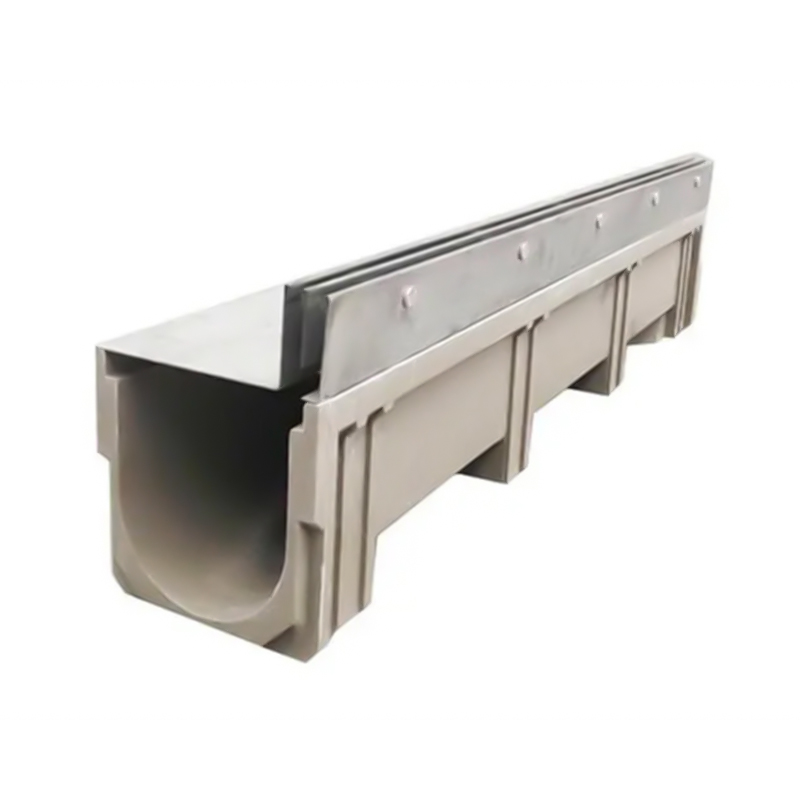
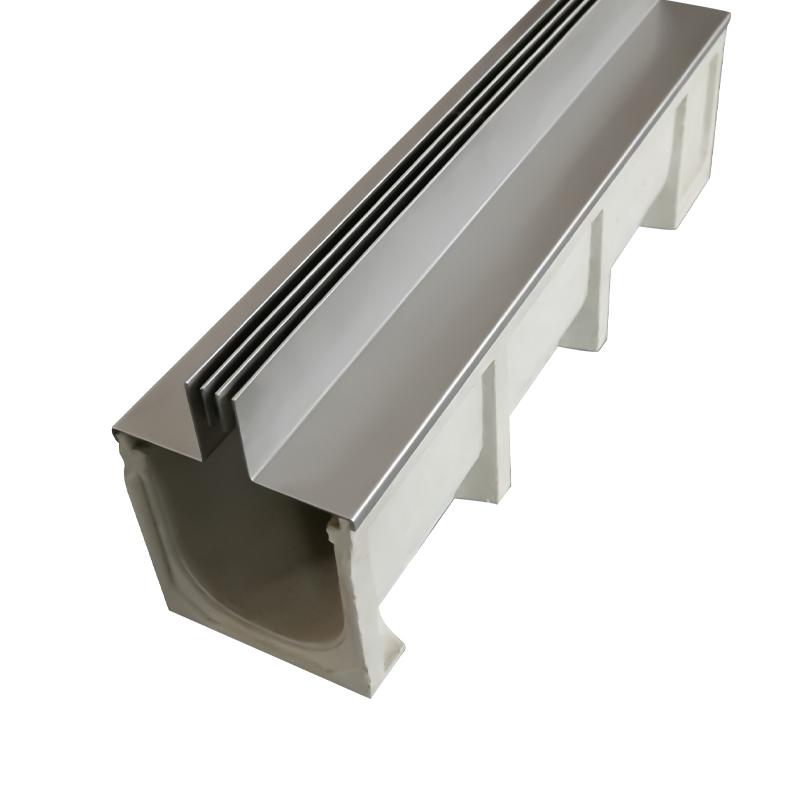
Explanation of Comprehensive Plan and Method for Slit-Type Resin Drainage Channel and Safe Construction
1. General Construction Flow
Wiring and positioning – Complicated detection – Embankment backfilling – Edge renovation – Drainage ditch excavation – Preliminary acceptance
2. Drainage Excavation Sequence
Bottom soil cleaning – Drainage ditch excavation – Trench wall cleaning – Steel bar cutting – Formwork and bolt support – Concrete pouring – Foundation backfilling
These are the main procedures for slit-type resin drainage channel construction. There are many detailed requirements during the process. The key points for safe construction are explained below.
Pre-Construction Work for Slit-Type Resin Drainage Channel
- Such projects shall not start with random excavation. A geological investigation must be carried out to check geological conditions and parameters, and confirm suitable locations for drainage channel construction.
- Before trench excavation, review and verify the setting-out lines.
- Before excavation, inspect underground structures and existing drainage systems on site. Complete internal drainage works to prevent sewage from flowing into the trench and affecting construction. This step is mandatory.
- Organize construction personnel and equipment, and complete all construction specification work to ensure smooth completion of the works.
- Equipment for excavation and backfilling: crawler excavator.
Construction Method for Slit-Type Resin Drainage Channel
- Use a total station to set the central axis, mark with wooden stakes. Measure the side edges of the drainage channel with a measuring tape and mark the slope with black lines. Mark boundaries and wall position lines at the same time.
- Manually excavate soil within the marked area, strictly controlling the excavation depth and width per design to avoid over-excavation. Level the ditch bottom with plastering mortar.
- Install side formworks (processed timber), fixed with concrete and steel nails. Install vertical supports every 1.4 m to prevent formwork displacement. Apply release agent on the contact surface between formwork and concrete.
- Cover and cure the concrete with water within 21 hours after pouring. Under normal temperature, water at least twice a day; curing period shall not be less than 7 days.
- Monitor weather conditions during construction, avoid working in rain, and take rainproof and moisture-proof measures.
- Do not stack materials within 2.2 m around the trench. No vehicles are allowed near the slope edge after excavation.
- Install moisture-proof facilities around the trench and restrict access by non-construction personnel.
Excavation Guidelines During Construction
- Clearly mark the excavation control line at the bottom of the trench.
- Special personnel shall be responsible for excavation to avoid damaging nearby buildings and pipelines.
- Monitor slope stability at all times; handle soil instability immediately.
- Inspect the trench promptly after excavation, then pour concrete cushion and seal it before proceeding to the next process.
- Reserve a working space of at least 490 mm between the trench bottom and the foundation/cushion edge. Install drainage ditches and fire pools on the outer side to remove rainwater timely.
- Protect survey control stakes and axis piles, cover with protective cages, and assign professional surveyors to monitor their safety.
- During excavation, check positioning stakes, axis piles and formworks for firmness and alignment.
- Monitor geological conditions and groundwater changes and keep records. If the foundation soil does not meet design requirements, coordinate with the design department for solutions.
- Excavation shall ensure slope stability; no random digging is allowed. Solve problems promptly.
- When excavating to within 45 cm above the trench bottom, mark the horizontal line as the reference for leveling.
- Stockpile excavated soil at least 5 m away from the trench edge, with stacking height not exceeding 4.6 m.
- Level and renovate the trench bottom after completion.
- Transport all surplus soil to the storage area after compaction and stabilization.
- Reduce vibration to the pile foundation after slope excavation. If foundation works are delayed, leave 0.2 m of soil unexcavated and remove it before construction.
 English
 Español
 عربى
عربى
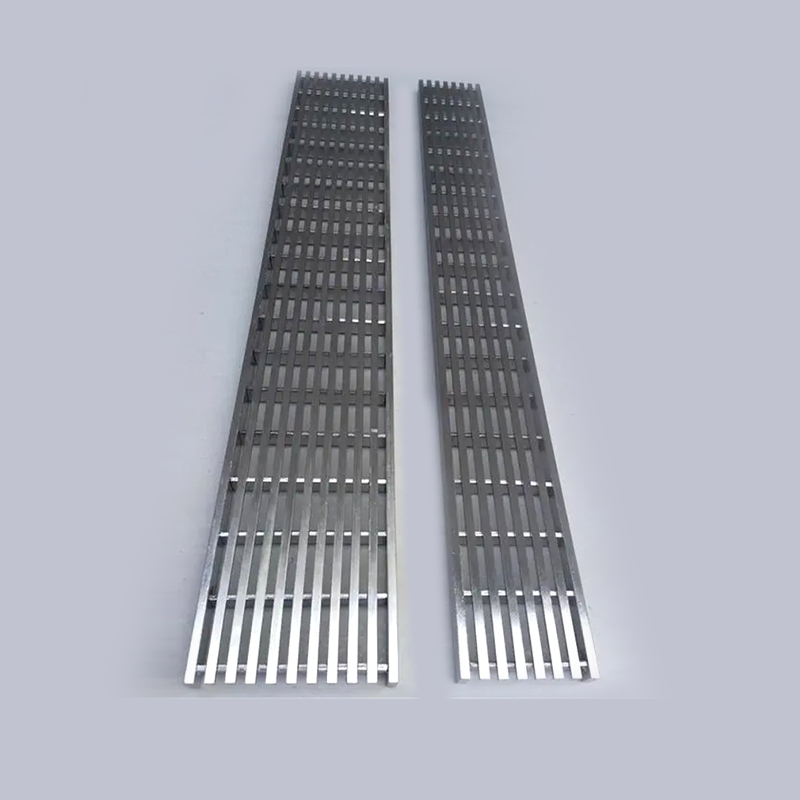


 Wholesale Drainage Ditch Manufacturers