 English
 Español
 عربى
عربى
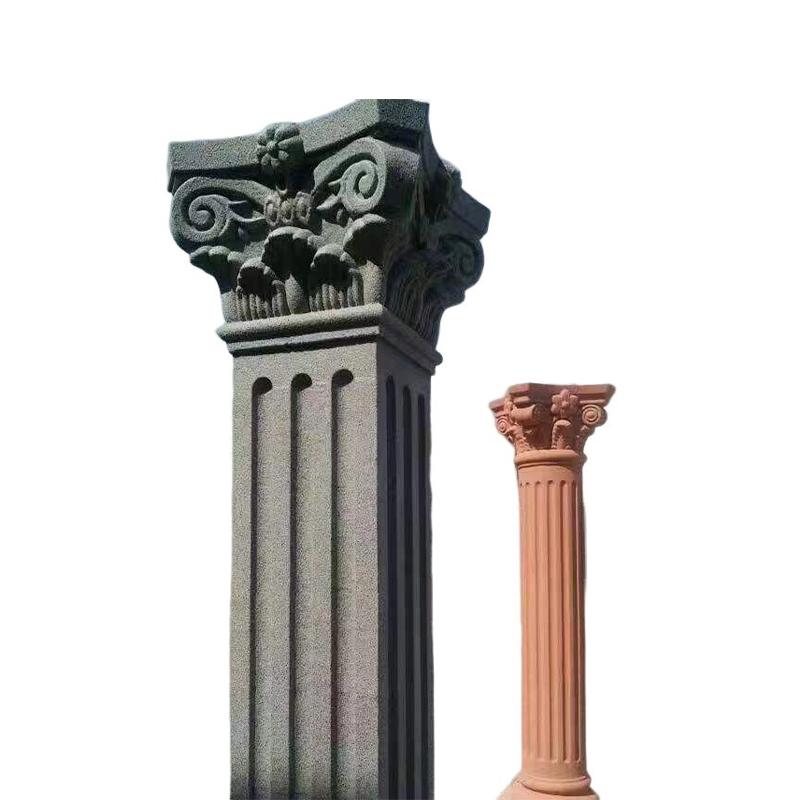
Fiber-Reinforced Durable GRC Roman Columns Material & Structure: Made of high-quality Glassfiber...
READ MOREAug 08, 2023
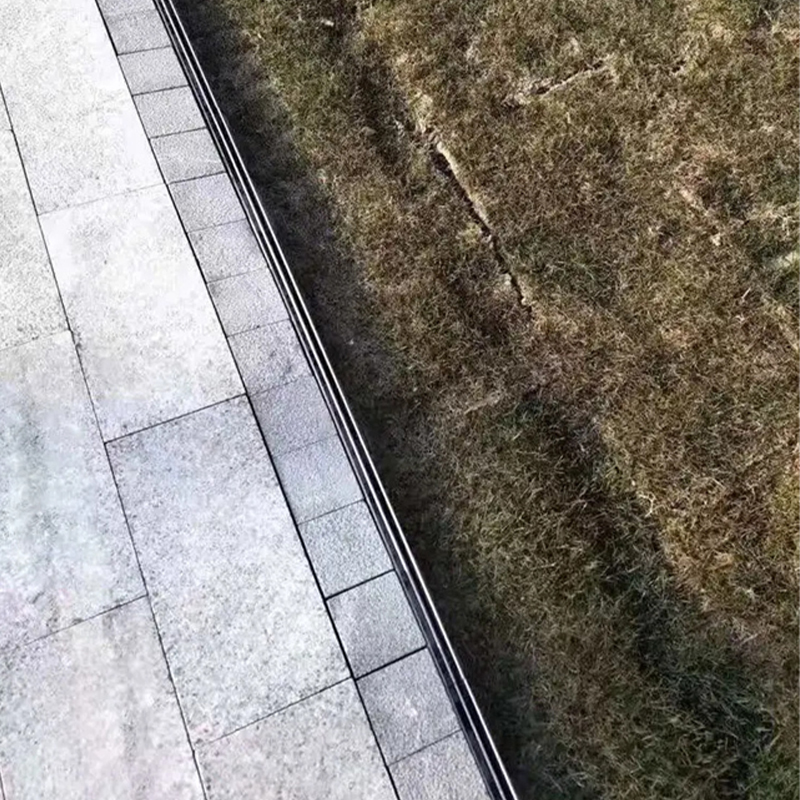
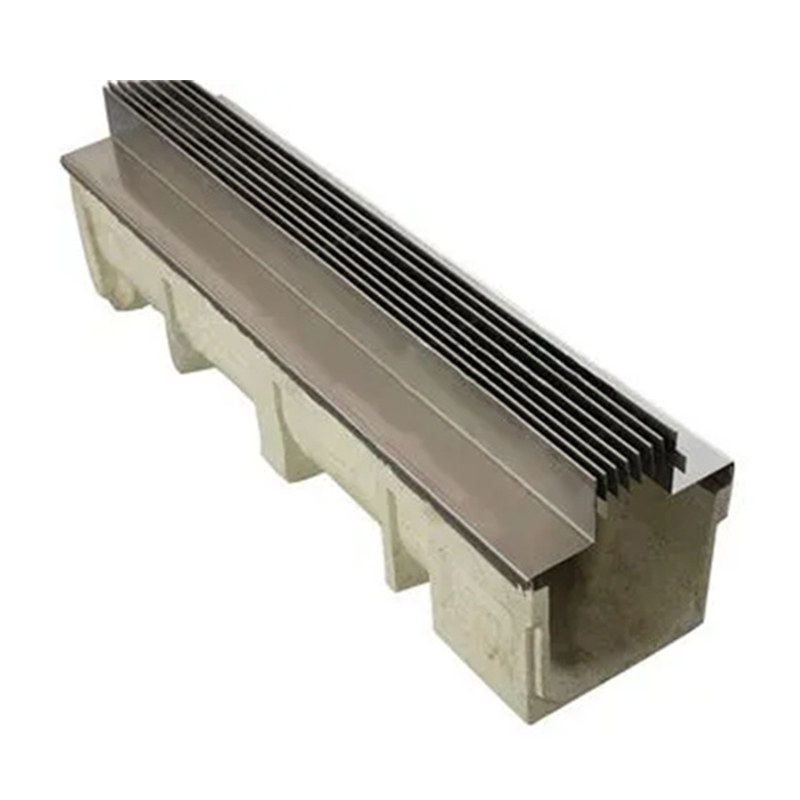
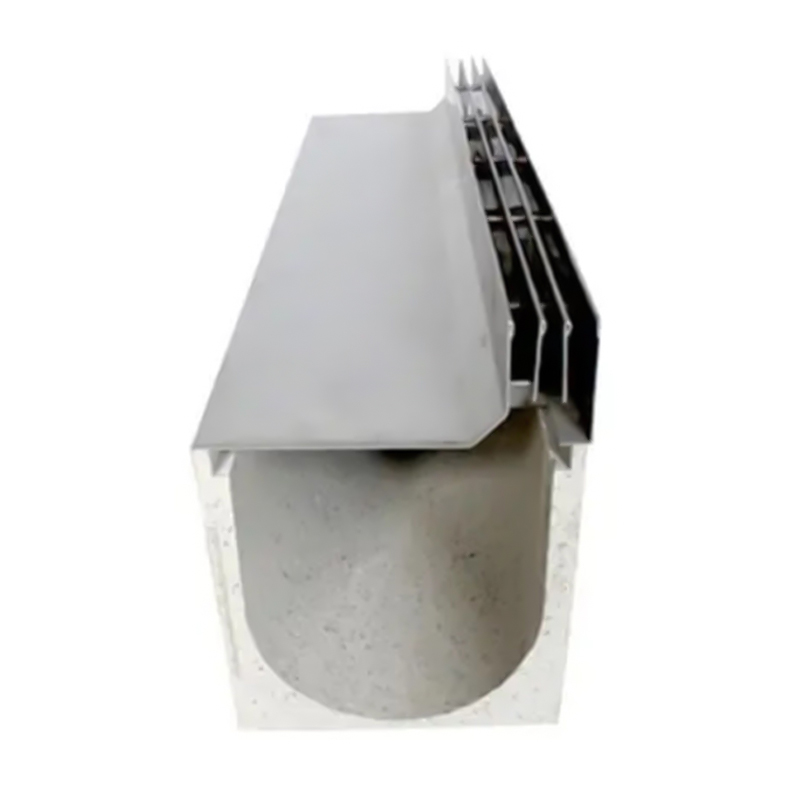
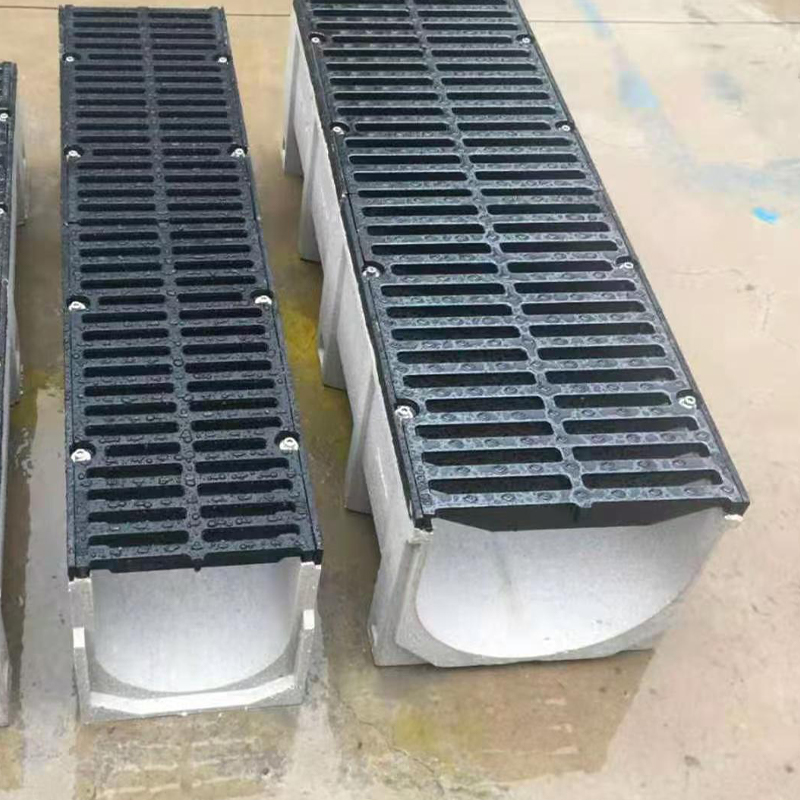
Explanation of Comprehensive Measures and Procedures for Finished Resin Drain Channel and Safe Construction
1. General Construction Flow
Setting-out & positioning – Cross-section survey – Embankment filling – Edge trimming – Drainage trench excavation – Inspection & acceptance
2. Sequence of Drainage Trench Excavation
Topsoil removal – Drainage trench excavation – Trench wall cleaning – Ring beam reinforcement – Formwork and foundation support – Concrete pouring – Foundation filling
These are the main procedures for finished resin drain channel construction. There are many detailed requirements and standards in the process. The specific safe construction methods are explained below.
Pre-Construction Preparation
Construction shall not start with random excavation. A geological investigation must be carried out to check geological conditions and parameters, and confirm suitable locations for drain channel construction.
Before trench excavation, review and verify the setting-out lines.
Before earthwork, inspect underground structures and existing drainage systems on site. Complete site drainage works to prevent groundwater from flowing into the trench and affecting construction. This step is mandatory.
Organize construction personnel and machinery, and complete all technical disclosures to ensure smooth completion of the works.
Machinery for earth excavation and backfilling: stationary and crawler excavators.
Construction Procedures
Use a total station to set the central axis and mark it with wooden stakes. Measure the inner edge of the drain channel with a steel tape and mark the slope with lines. Mark boundaries and wall alignment lines at the same time.
Manually excavate soil within the setting-out area, strictly controlling the excavation depth and width per design to avoid over-excavation. Level the trench bottom with cement mortar.
Install side formworks (processed timber), fixed with cement and steel nails. Install vertical supports every 1.4 m to prevent formwork displacement. Apply the release agent on the contact surface between the formwork and the concrete.
Cover and cure the concrete with water within 24 hours after pouring. Under normal temperature, water at least twice a day; the curing period shall not be less than 7 days.
Monitor weather conditions during construction, avoid working in rain, and take rainproof measures.
Do not stack materials within 2.2 m around the trench. No vehicles are allowed near the slope edge after excavation.
Install rainproof facilities around the trench and restrict access by non-construction personnel.
Earthwork Rules and Precautions
Clearly mark the excavation control line along the trench edge.
Earthwork shall not damage nearby structures and underground pipelines.
Monitor slope stability at all times; handle landslides immediately.
Inspect the trench promptly after excavation, then pour concrete cushion and seal it before proceeding to the next process.
Reserve a working space of at least 540 mm between the trench bottom and the foundation/cushion edge. Install drainage ditches and catch wells on one side to drain water timely.
Protect survey control stakes and axis piles, cover with protective cages, and assign professional surveyors to monitor their safety.
During excavation, check positioning stakes, axis piles and formworks for firmness and alignment.
Monitor soil conditions and groundwater changes and keep records. If the foundation soil does not meet design requirements, coordinate with the design department for solutions.
Earthwork shall ensure slope stability; no random trenching is allowed. Solve problems promptly.
When excavating to 45 cm above the trench bottom, mark the horizontal line as the reference for leveling.
Stockpile excavated soil at least 5 m away from the trench edge, with stacking height not exceeding 4.8 m.
Level and trim the trench bottom after completion.
Transport all surplus soil after compaction and stabilization.
Reduce vibration to the foundation after trench excavation. If foundation works are delayed, leave 0.5 m of soil unexcavated and remove it before construction.
Related Products
Fiber-Reinforced Durable GRC Roman Columns Material & Structure: Made of high-quality Glassfiber...
READ MOREFiber-Reinforced Durable GRC Roman Columns Material & Structure: Made of high-quality Glassfiber...
READ MOREFiber-Reinforced Durable GRC Roman Columns Material & Structure: Made of high-quality Glassfiber...
READ MOREFiber-Reinforced Durable GRC Roman Columns Material & Structure: Made of high-quality Glassfiber...
READ MOREFiber-Reinforced Durable GRC Roman Columns Material & Structure: Made of high-quality Glassfiber...
READ MOREFiber-Reinforced Durable GRC Roman Columns Material & Structure: Made of high-quality Glassfiber...
READ MORE
Contact us
Factory Address
Group 12, Quanxin Village, Donghai Town, Qidong City, Nantong City, Jiangsu Province, China
phone
+86-13914963840
+86-13451754670
products
QR CODE
 Wholesale Drainage Ditch Manufacturers