 English
 Español
 عربى
عربى
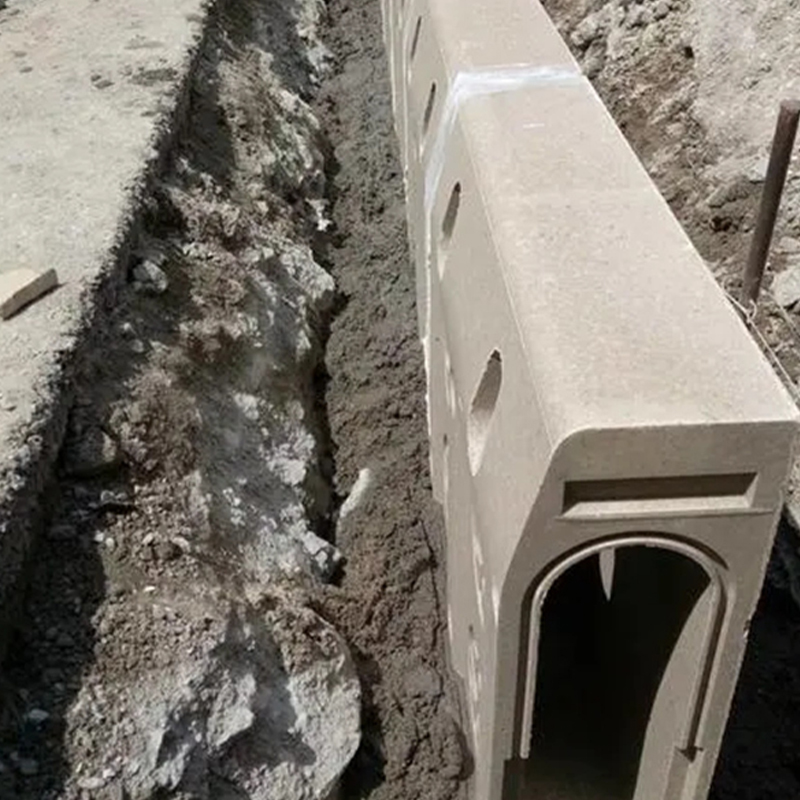
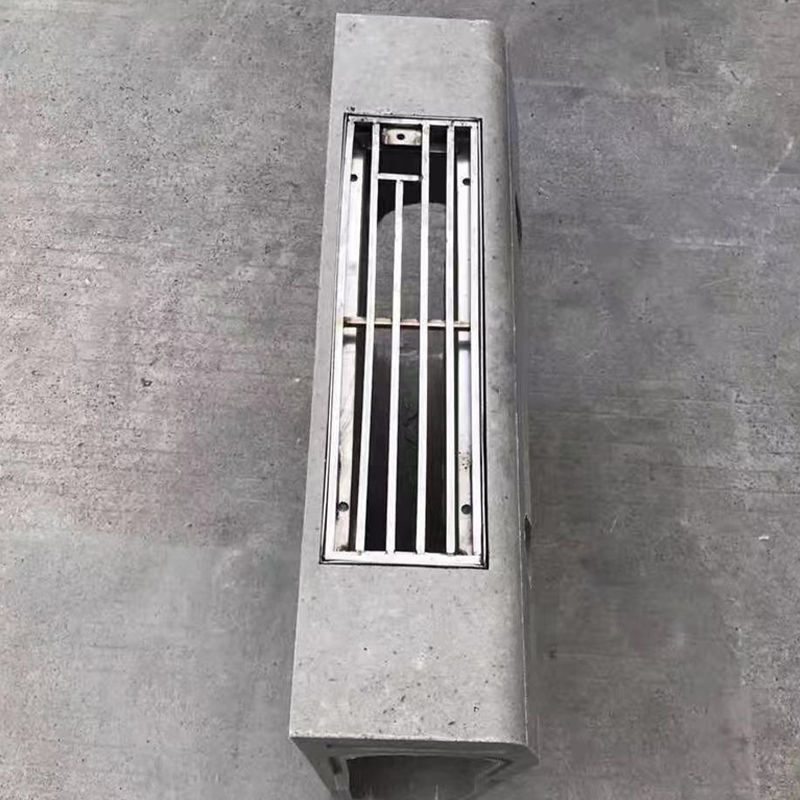
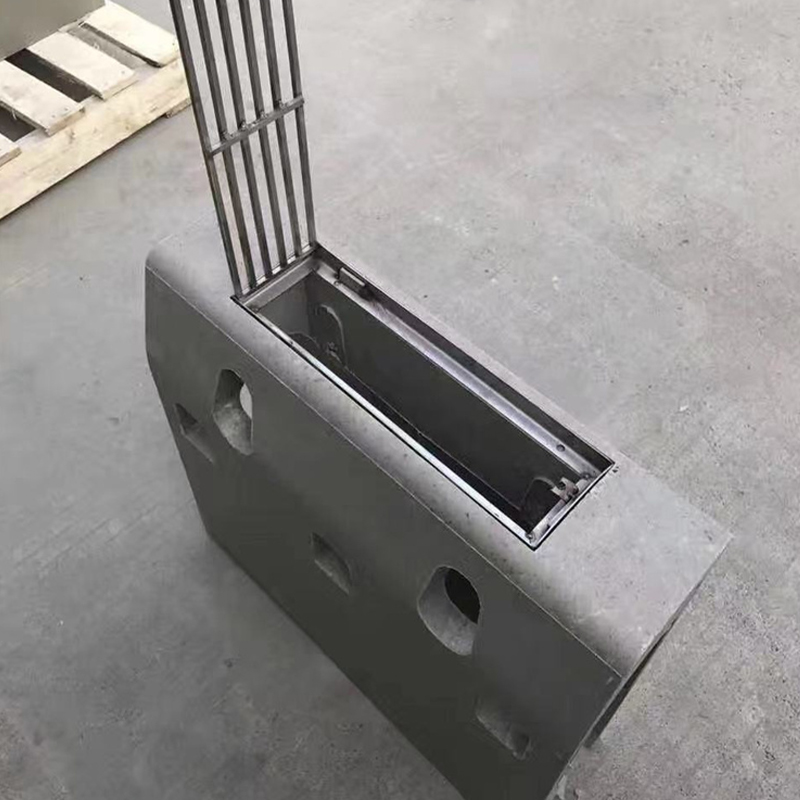
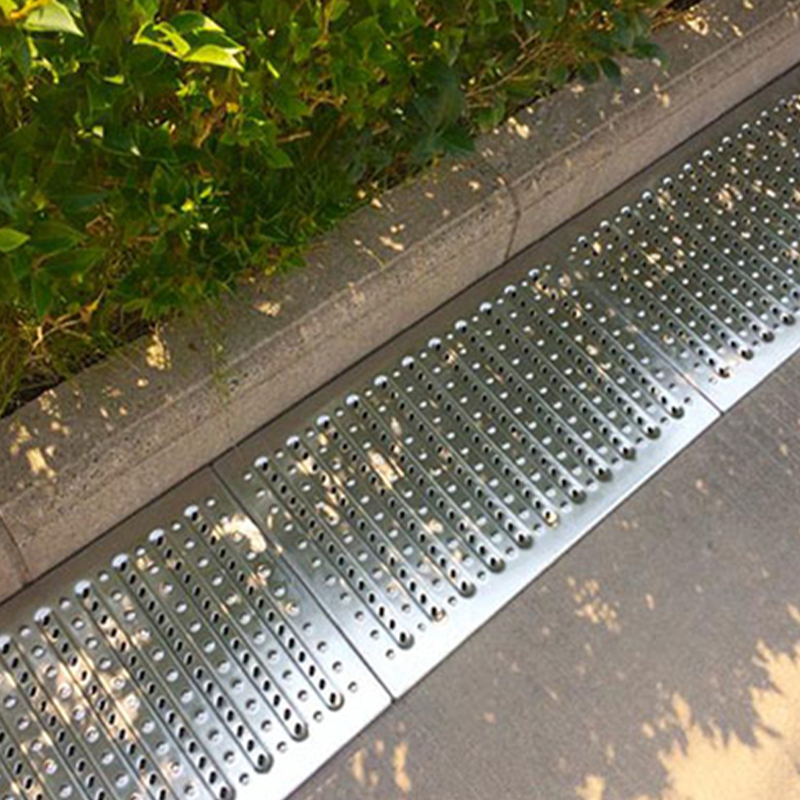
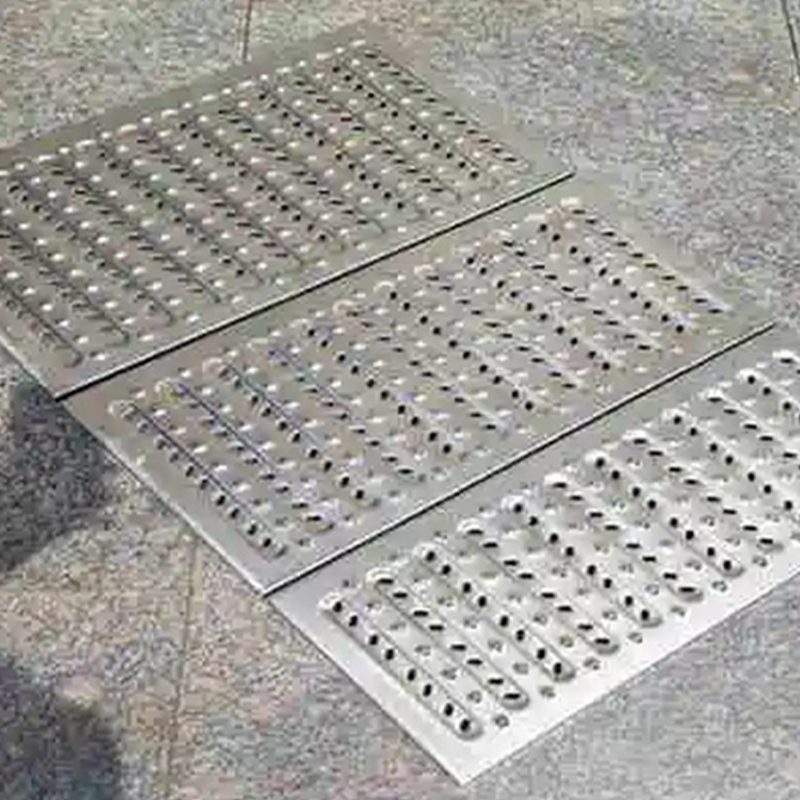
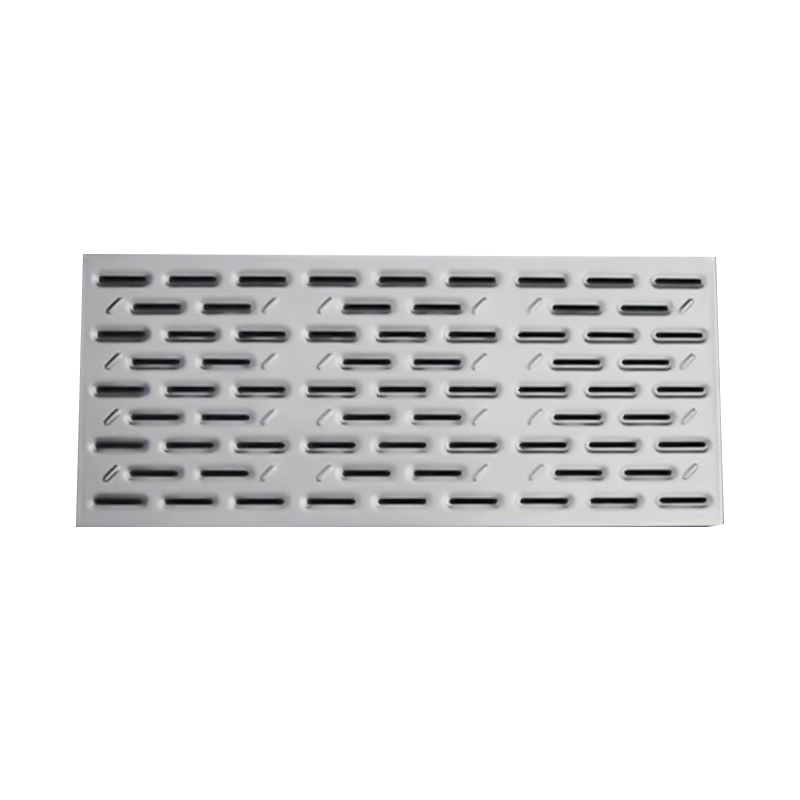


Engineered to address the long-term challenges of chemical erosion and structural aging in architect...
READ MOREMay 15, 2026
Content
Installing a drainage channel is straightforward when you follow the correct sequence: excavate a trench, set the correct slope (at least 1:100), bed the channel in concrete, connect it to a drain outlet, and backfill securely. Done properly, a channel drain redirects surface water away from driveways, patios, and entrances — preventing flooding, erosion, and structural damage. This guide walks you through every step with precise measurements and practical tips.
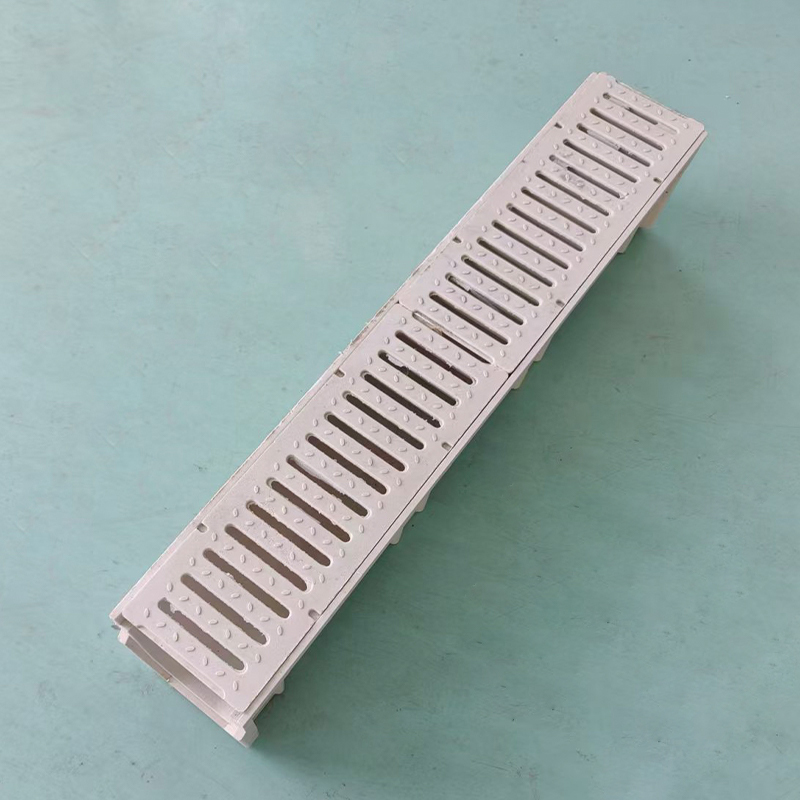
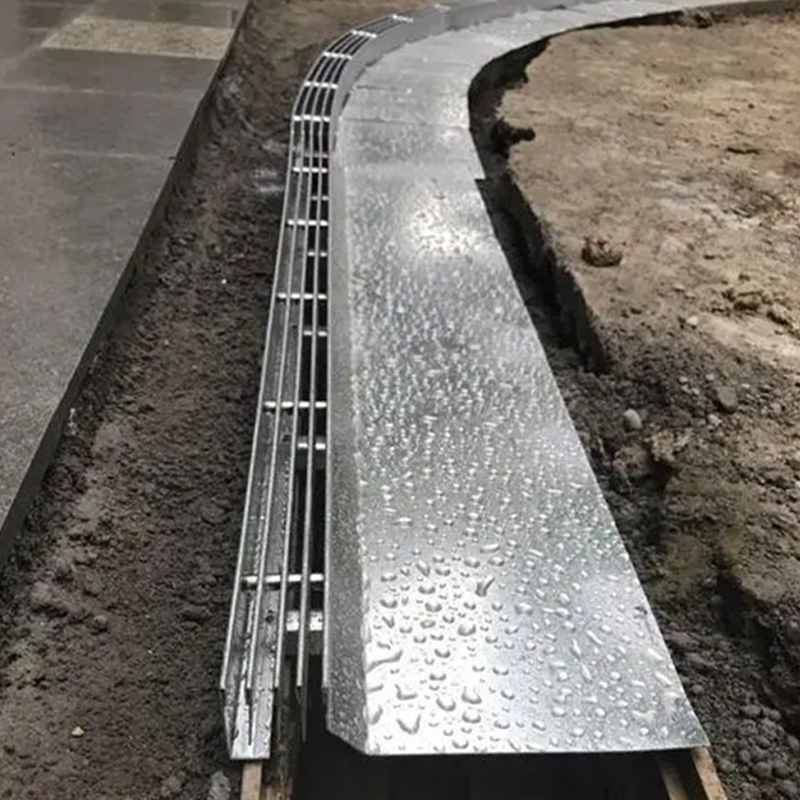
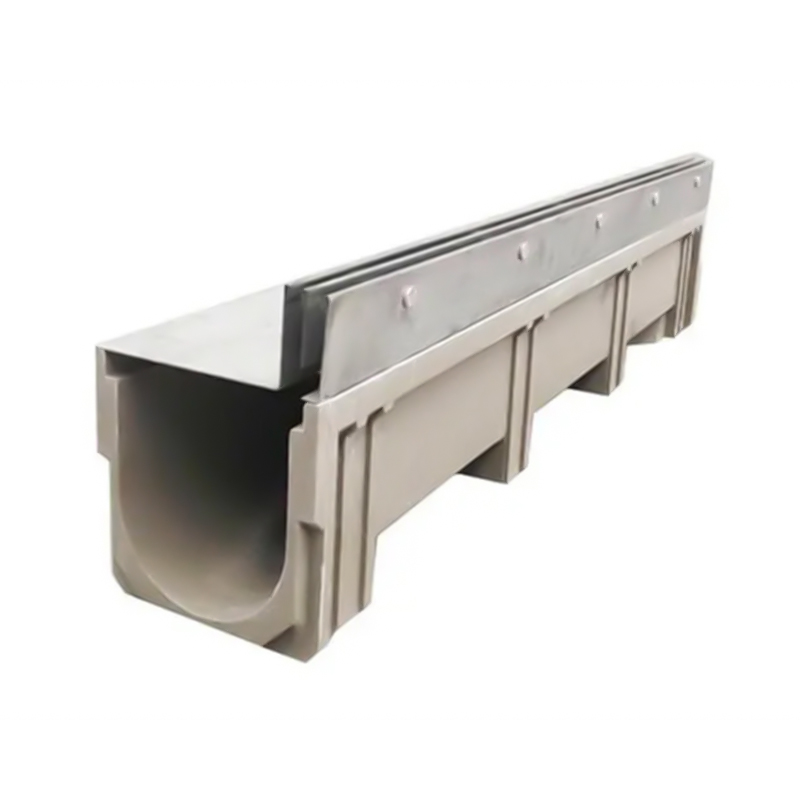
A drainage channel (also called a channel drain or linear drain) is a long, narrow trench fitted with a slotted or grated cover that collects and redirects surface water. Unlike a single point drain, it captures water across an entire length — making it ideal for areas with significant runoff.
Common installation locations include:
Channel drains are available in plastic (HDPE or PVC), concrete, and polymer concrete. Polymer concrete channels are the most durable for heavy-duty applications such as driveways with vehicle traffic, while plastic channels suit lighter residential use.
Before breaking ground, gather all necessary equipment. Missing a critical item mid-installation leads to delays and errors.
| Category | Item | Purpose |
|---|---|---|
| Excavation | Spade, mattock, angle grinder | Cutting and removing existing surface and soil |
| Measurement | Tape measure, spirit level, string line | Ensuring correct depth, alignment, and slope |
| Concrete | Cement, sharp sand, aggregate or ready-mix | Bedding and surrounding the channel body |
| Channel components | Channel sections, end caps, outlet unit, grating | The drainage system itself |
| Pipe connection | 110mm drain pipe, connector, coupling | Linking the channel to the soakaway or sewer |
| Safety | Gloves, safety glasses, knee pads | Personal protection during installation |
Follow these steps in order. Skipping or rushing any stage — particularly bedding and slope-setting — is the leading cause of drainage failure.
Identify where water pools and determine the most logical route to an outlet (soakaway, storm drain, or water butt). Use spray paint or chalk to mark the trench line. The channel should run perpendicular to the direction of water flow so it intercepts runoff across the full width of the surface.
Check for underground utilities (gas, electric, water pipes) before digging. In the UK, use the "Dial Before You Dig" service. In the US, call 811.
Dig a trench wide enough to allow at least 100mm of concrete on each side of the channel body. For a standard 100mm-wide plastic channel, this means a trench roughly 300mm wide. The depth depends on the channel height plus the concrete bed below it.
A typical trench depth breakdown:
A drainage channel must slope toward its outlet to carry water away. The minimum recommended fall is 1:100 — meaning a 1mm drop for every 100mm of channel length. For a 3-metre channel, that is a 30mm drop from start to outlet.
Use a string line and spirit level to set this gradient accurately before pouring any concrete. Some channel systems have a built-in internal slope (called an inbuilt fall), which simplifies this step — check your product specifications.
Mix concrete to a C20 or ST2 mix (suitable for most residential applications) and pour a 100mm layer into the base of the trench. Level and compact it, then allow it to firm up slightly — it should be stiff enough to hold the channel in position without sinking, but not fully cured.
Begin placing channel sections from the outlet end and work backwards. Connect sections using the manufacturer's joining clips or sealant. Keep the outlet unit at the lowest point of the run. Fit the end cap to the closed end of the channel to prevent soil ingress.
Place the grating temporarily to check the finished surface level. Adjust the channel height by pressing it into the semi-wet concrete as needed.
Pour concrete around the sides of the channel body (haunching) to lock it in place. Fill to within 20–25mm of the top of the channel walls. Do not pour concrete inside the channel. Use a trowel to press concrete firmly against the sides, eliminating air pockets.
Leave the concrete to cure for a minimum of 24 hours before proceeding. In cold weather (below 5°C), allow longer curing time or use frost-protection measures.
Attach a 110mm diameter drain pipe to the outlet of the channel using an appropriate coupling. Run this pipe to your chosen discharge point — a soakaway, surface water drain, or rainwater harvesting system. Ensure the pipe also has a fall of at least 1:40 (25mm drop per metre) to maintain flow.
Once the concrete is fully cured, reinstate the surrounding surface material (block paving, concrete, tarmac, or gravel). Ensure the surface is graded slightly toward the channel — even a 2–3mm fall per metre of surface is sufficient to direct water into the drain.
Fit the grating and check that it sits correctly at the finished surface level. Remove any concrete smears from the grating before they fully harden.
Channel drains are rated by load class according to EN 1433. Using an under-rated channel in a trafficked area will cause cracking and collapse. Match the load class to the expected traffic.
| Load Class | Max Load | Typical Application |
|---|---|---|
| A15 | 1.5 tonnes | Pedestrian areas, gardens, patios |
| B125 | 12.5 tonnes | Residential driveways, car parks |
| C250 | 25 tonnes | Kerbside, slow-moving vehicles |
| D400 | 40 tonnes | Roads, HGV areas, industrial yards |
| E600 | 60 tonnes | Docks, airports, heavy industrial |
For a standard residential driveway, a B125-rated channel with a ductile iron or galvanised steel grating is the appropriate minimum specification.
Even experienced installers make these errors. Understanding them in advance prevents costly repairs.
A correctly installed channel drain requires minimal maintenance, but regular attention prevents blockages that reduce performance significantly.
Gratings with smaller slot openings (such as heelproof or mesh gratings) catch more debris and require more frequent cleaning but prevent small objects from entering the channel body.
In most cases, installing a channel drain in a private garden or driveway does not require planning permission. However, there are important regulatory considerations:
Costs vary by channel material, length, and whether you hire a contractor or DIY. The table below reflects typical UK market rates as a guide.
| Item | DIY Cost | Contractor Cost |
|---|---|---|
| Plastic channel (per metre) | £10–£25 | £40–£80 installed |
| Polymer concrete channel (per metre) | £30–£60 | £70–£130 installed |
| Concrete and materials (3m run) | £40–£70 | Included above |
| Labour (half day) | N/A | £150–£300 |
A typical 3-metre residential driveway channel drain costs £70–£150 in materials for a competent DIY installer, or £250–£450 if professionally installed including labour.
Related Products
Engineered to address the long-term challenges of chemical erosion and structural aging in architect...
READ MOREEngineered to address the long-term challenges of chemical erosion and structural aging in architect...
READ MOREEngineered to address the long-term challenges of chemical erosion and structural aging in architect...
READ MOREEngineered to address the long-term challenges of chemical erosion and structural aging in architect...
READ MOREEngineered to address the long-term challenges of chemical erosion and structural aging in architect...
READ MOREEngineered to address the long-term challenges of chemical erosion and structural aging in architect...
READ MORE
Contact us
Factory Address
Group 12, Quanxin Village, Donghai Town, Qidong City, Nantong City, Jiangsu Province, China
phone
+86-13914963840
+86-13451754670
products
QR CODE
 Wholesale Drainage Ditch Manufacturers