 English
 Español
 عربى
عربى
Field Guide — Drainage Engineering
Every Channel Answers
to a Code Somewhere.
A resin drainage channel is never installed in a regulatory vacuum. Structural load, plumbing connection, pedestrian safety, and environmental discharge — four distinct bodies of code converge on a single trench. Here is how to read them correctly.
Direct Answer: The Core Standards That Apply
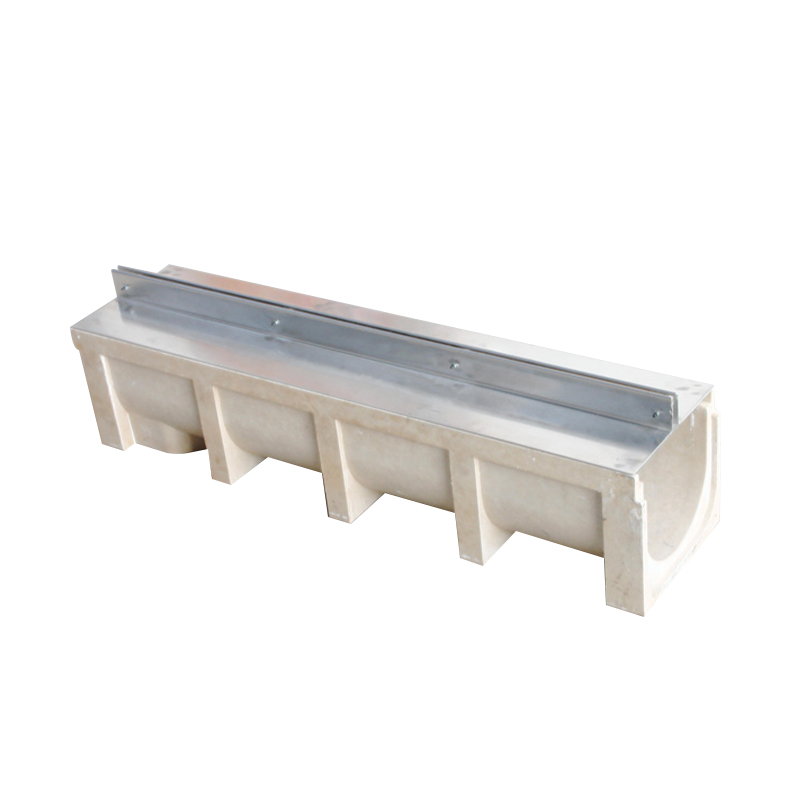
The installation of resin drainage channels is primarily governed by EN 1433 for load classification and structural performance, national or regional plumbing and building codes that regulate stormwater discharge, and local highway or municipal drainage authority requirements where the channel connects to a public sewer or watercourse. In the United States, installers also reference guidance aligned with the International Plumbing Code (IPC) and International Building Code (IBC), while ADA accessibility requirements govern grate slot width and surface flushness in pedestrian areas.
No single code covers every aspect of an installation. Instead, a compliant project typically satisfies four overlapping categories of regulation: structural load standards, plumbing and drainage codes, accessibility requirements, and environmental discharge permissions. Each is examined below, with practical guidance on how they affect the selection and installation of an exterior channel drain or linear trench drain system.
EN 1433: The Primary Load and Performance Standard
EN 1433 is the European standard most widely referenced worldwide for surface drainage channels, including precast resin systems. It defines load classes ranging from A15 for pedestrian areas up to F900 for airport aprons and heavy industrial zones, and it specifies testing methods for hydraulic capacity, structural strength, and slip resistance of the grate surface.
Load Classes at a Glance
| Load Class | Maximum Load | Typical Application |
|---|---|---|
| A15 | 1.5 tonnes | Pedestrian walkways, gardens |
| B125 | 12.5 tonnes | Car parks, driveways |
| C250 | 25 tonnes | Roadside kerb areas |
| D400 | 40 tonnes | Public roads, highways |
| E600 / F900 | 60–90 tonnes | Ports, airports, heavy industry |
A common error on site is installing a channel with the correct nominal width but the wrong load class rating for the final surface use — confirming the EN 1433 marking before installation is a simple but essential compliance check.
Plumbing and Building Codes Governing Drainage Connections
Beyond structural load, a resin channel is a plumbing fixture the moment it connects to a pipe network, and this brings it under the scope of national plumbing codes. In the United States, the International Plumbing Code and the Uniform Plumbing Code both include provisions for trench drains, minimum pipe sizing, cleanout access, and trap requirements where the drain connects to a sanitary system rather than a storm system.
Key Plumbing Code Requirements
- Minimum pipe diameter sized to the calculated peak flow rate of the channel run
- Cleanout access points at maximum intervals, typically every 30 to 50 meters
- Backflow prevention where the channel connects to a combined sewer
- Separation of storm and sanitary discharge in jurisdictions that prohibit combined systems
Local building departments frequently require a permit and inspection before a linear trench drain is backfilled and covered, since the connection point is the last opportunity to verify pipe sizing and slope before the work becomes inaccessible.
Accessibility Standards for Pedestrian Installations
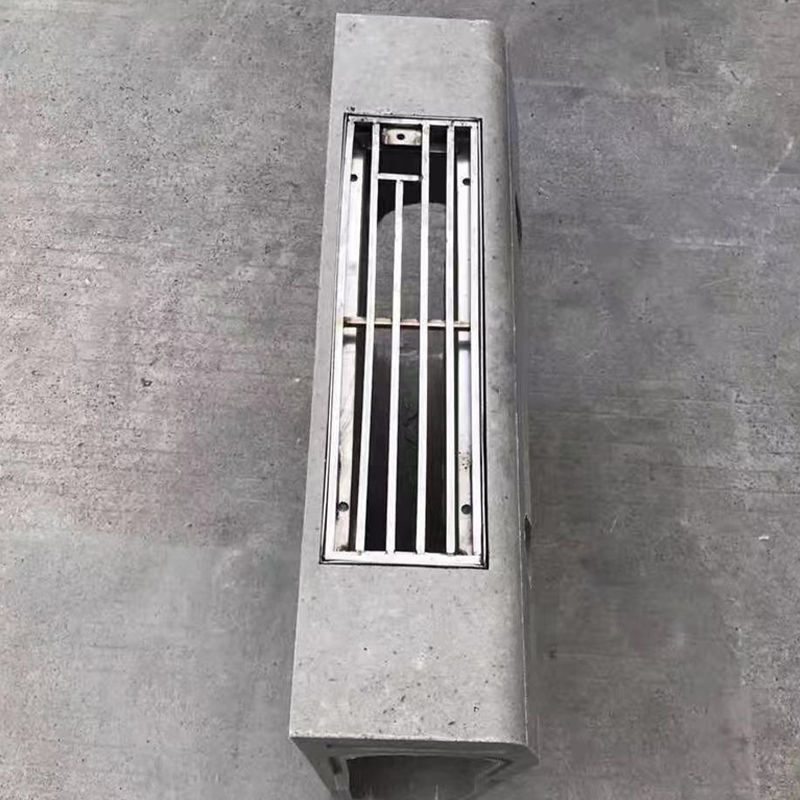
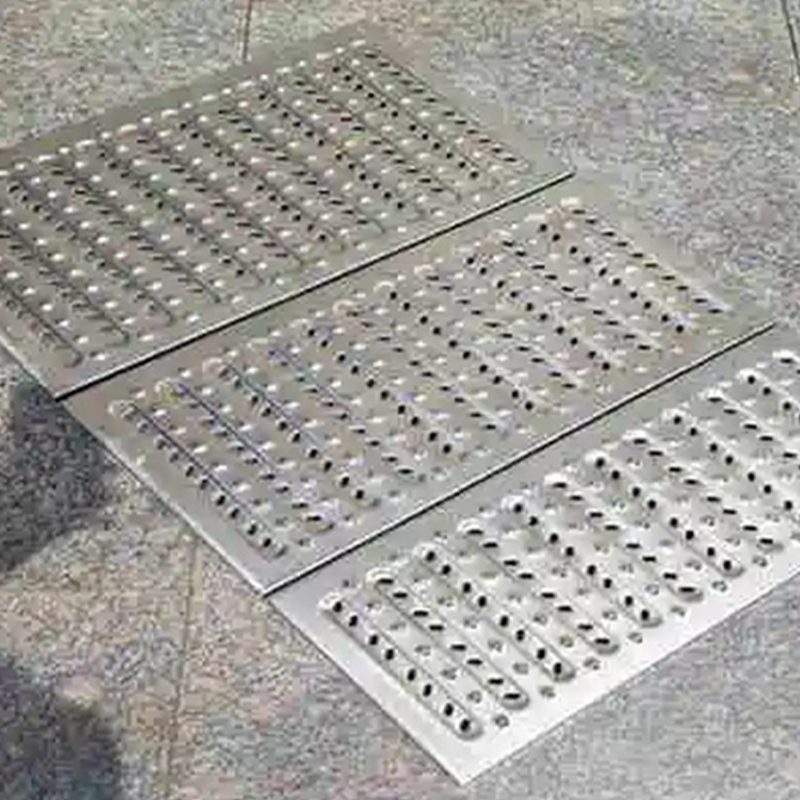
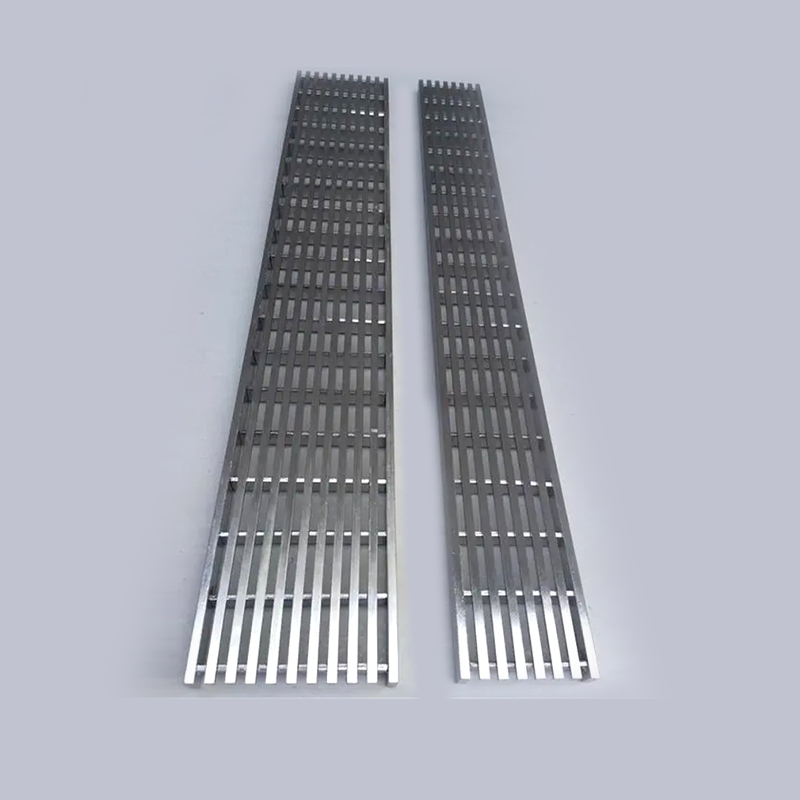
Where a channel drain is installed in a pedestrian path, entrance, or accessible route, accessibility codes place specific limits on grate design. The Americans with Disabilities Act (ADA) Standards for Accessible Design require that openings in walking surfaces not permit passage of a sphere greater than 13mm (1/2 inch) in diameter, and that elongated openings be installed with the long dimension perpendicular to the dominant direction of travel to prevent wheelchair casters or cane tips from catching.
linear trench drain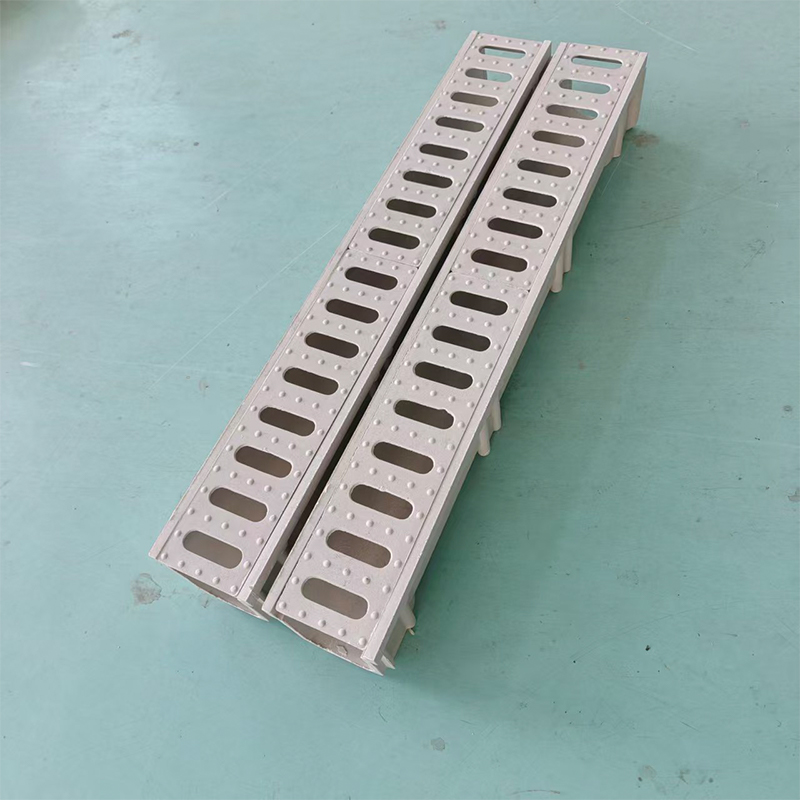
Fire and Chemical Resistance Codes for Industrial Sites
Industrial and commercial kitchen environments often fall under additional codes governing chemical resistance and fire safety. Food service facilities are frequently required to install drainage channels that meet health department sanitation codes, which specify smooth, cleanable interior surfaces and minimum slope to prevent standing liquid.
Stormwater and Environmental Discharge Regulations
Any exterior channel drain that discharges surface water to a public system, watercourse, or soakaway is typically subject to environmental permitting rules. In many jurisdictions, new hardstanding areas above a defined threshold, often around 100 square meters, trigger a requirement to demonstrate that post-development runoff rates do not exceed pre-development levels.
Common Regulatory Triggers
- Connection to a combined or public storm sewer requiring a discharge consent
- Discharge to a watercourse requiring an environmental agency permit
- Sites within designated flood zones requiring flood risk assessment
- Sustainable drainage (SuDS) requirements mandating attenuation before discharge
Where these triggers apply, the drainage channel is often just one component of a larger system that may include attenuation tanks, permeable paving, or flow control devices, and the installation sequence must be coordinated with these upstream and downstream elements.
Structural and Concrete Standards for Bedding and Haunching
The concrete bedding and haunching that supports the channel body is itself governed by concrete construction standards, which specify minimum compressive strength and curing time before the surface can be trafficked. A typical specification calls for concrete achieving at least 25 MPa compressive strength at 28 days for installations under vehicular load classes, with a minimum curing period of 24 to 48 hours before light traffic and up to 7 days before full vehicular loading, depending on ambient temperature and mix design.
Manufacturer installation guides are generally written to align with these structural codes, and deviating from the specified haunching profile can void both the manufacturer's warranty and the project's compliance with the applicable building code.
How to Confirm Compliance Before Installation
Because multiple codes can apply simultaneously, the most reliable approach is to confirm requirements with the local building authority before ordering channel sections, rather than relying on general assumptions about a single national standard.
- Request the required EN 1433 load class in writing from the project engineer or building control officer
- Confirm whether the discharge point requires a separate environmental or utility connection permit
- Check accessibility requirements for any run crossing a pedestrian accessible route
- Verify concrete bedding specification against the manufacturer's installation guide and local structural code
In Summary
Compliant drainage channel installation rests on four pillars: EN 1433 load classification, plumbing and building codes for pipe sizing and connections, accessibility standards for pedestrian areas, and environmental permits for stormwater discharge. Confirming each requirement with local authorities before construction begins remains the most effective way to avoid costly rework and ensure the finished installation passes inspection on the first attempt.