 English
 Español
 عربى
عربى
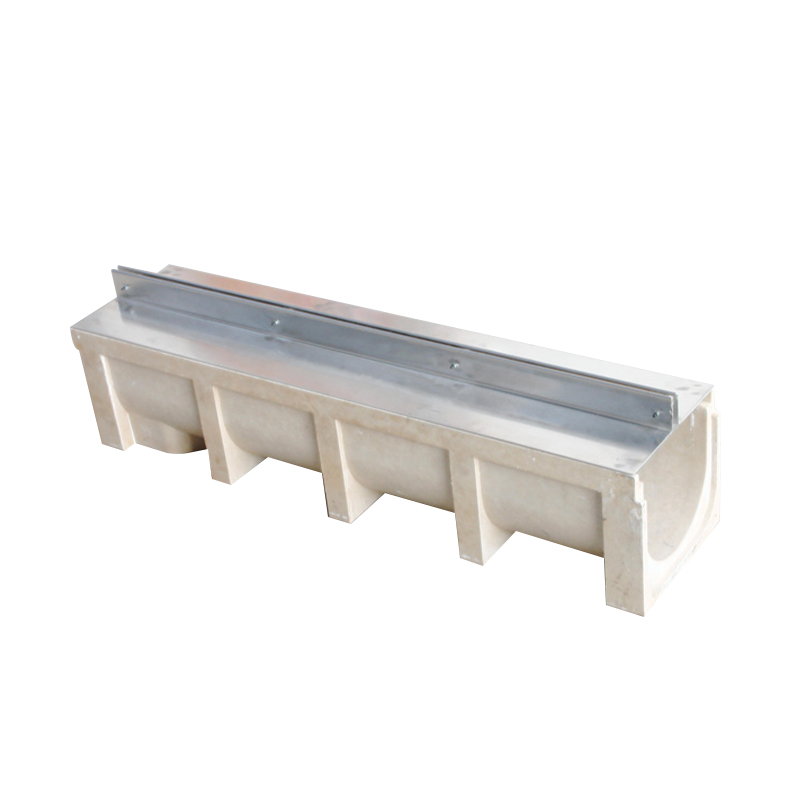
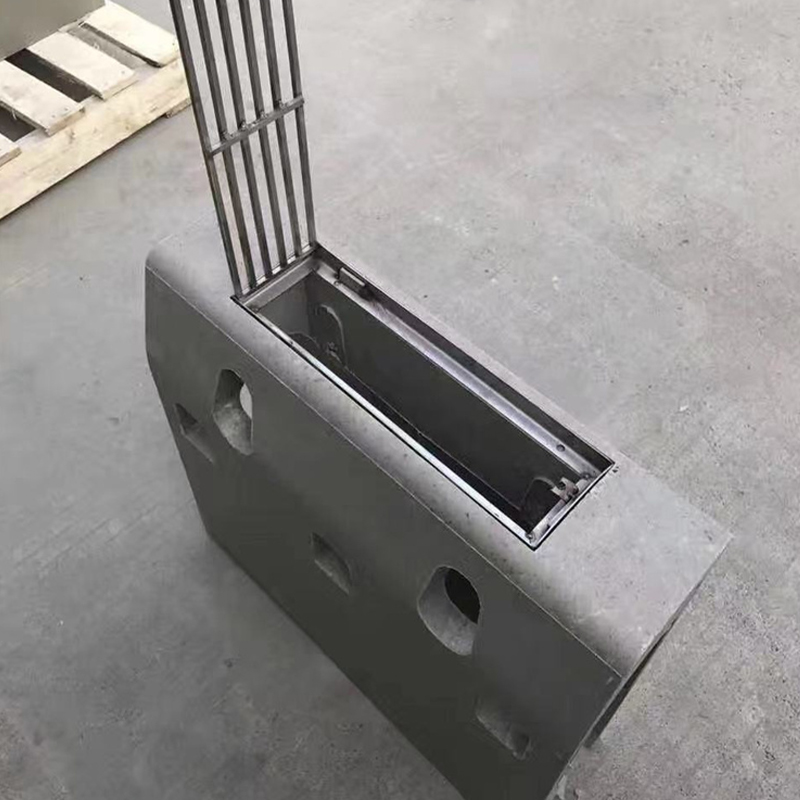
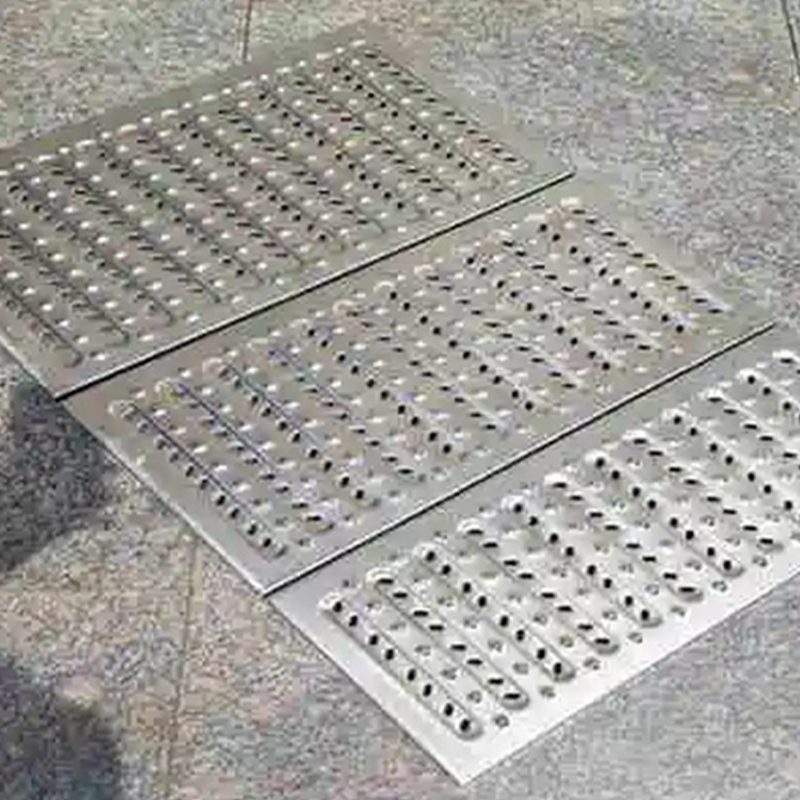
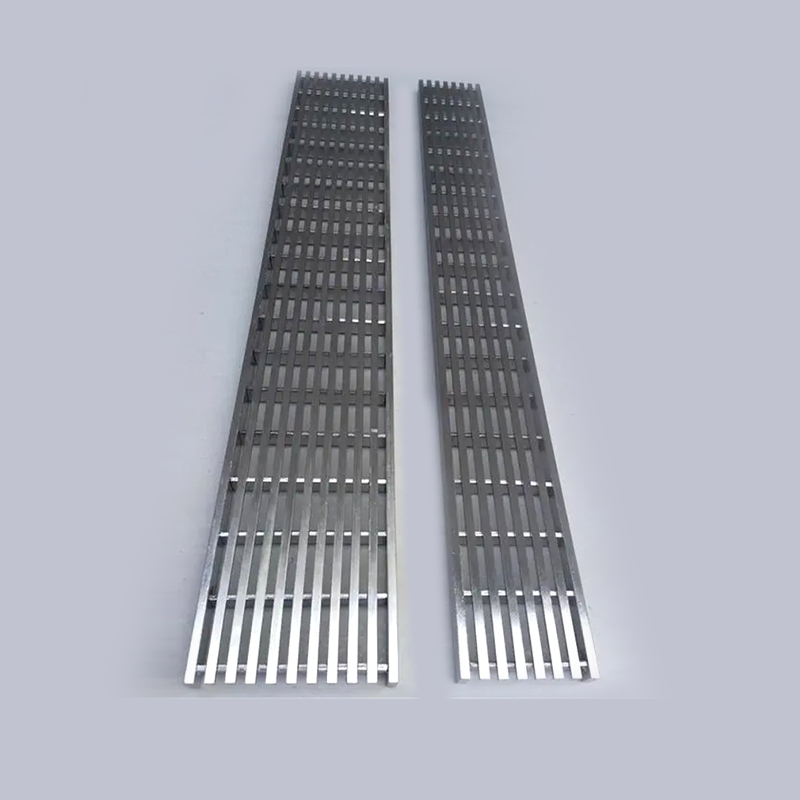


Engineered to address the long-term challenges of chemical erosion and structural aging in architect...
READ MOREAug 18, 2026
Content
Field Guide · Exterior Drainage
A precise, position-first guide to placing a channel against driveways, patios, and foundations — before a single trench is cut.
The correct position for a drainage channel is at the lowest point of the paved surface, running perpendicular to the direction of water flow, and set at least 150mm to 300mm away from the building foundation whenever possible. For driveways, the channel belongs at the transition point between the driveway and the garage entrance or street. For patios, it belongs at the edge closest to the home, or wherever the surface's true low point sits. Getting this placement right is the single most important factor in how to install drainage channel systems that actually work — because even a well-built channel fails silently if it sits where water never arrives.
Many homeowners assume a larger or higher-capacity channel will compensate for imprecise placement. In practice, position determines whether water ever reaches the channel at all. A heavy duty concrete drainage channel installed a meter away from the true low point of a driveway will do almost nothing — water will pool, spread, or simply find another route before it ever reaches the grate. Positioning is the art of intercepting water exactly where it collects, not where a drawing suggests it should.
This is why serious drainage planning starts with watching the site, ideally during or just after rainfall, rather than guessing from the shape of the paved area. Where puddles linger, where water sheets off an edge, where it drifts toward a foundation wall — these observations are worth more than any assumption built on symmetry or convenience.
A channel is only as good as the point it sits on. Move it a meter, and a perfect system becomes an ornamental trench.
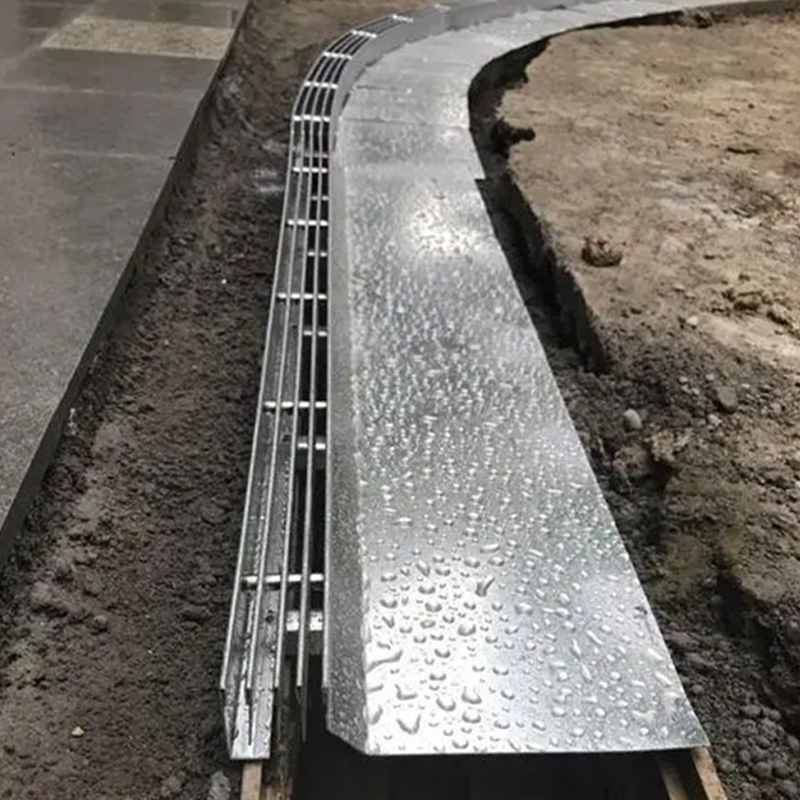
At the base of a slope — When a driveway falls toward a garage, street, or low point, the channel should run the full width of the driveway right at that low point. This is the most common configuration for an install driveway drainage channel project, since it catches all surface runoff before it reaches the street, enters a garage, or pools against a threshold.
At the garage entrance — A channel set directly in front of a garage door, flush with the driveway, intercepts water before it can seep beneath the door or into the slab. In regions with heavy seasonal rainfall, even a shallow puddle at a threshold is enough to reach the interior floor.
drainage channel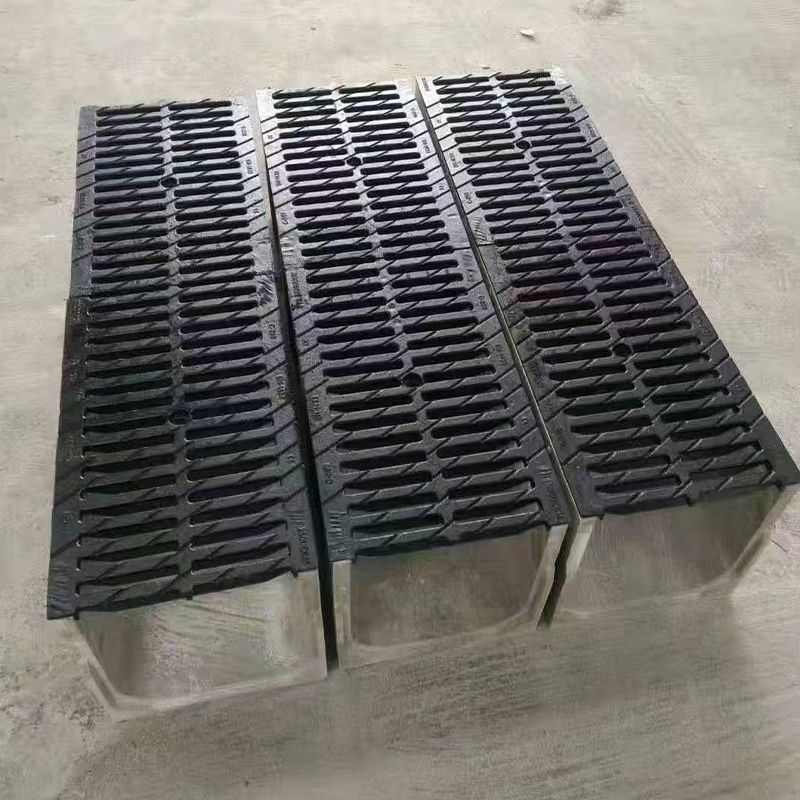
Along the street-facing edge — For driveways sloping toward the street, a channel near the sidewalk or curb transition keeps oil residue, sediment, and debris out of the public roadway or storm system — a placement many municipal codes now require outright.
Patios typically carry a gentler grade than driveways — often just 1% to 2% — enough for water to move, but rarely obvious to the eye. The channel belongs at the surface's actual lowest edge, which in most designs is the side nearest the home if the patio slopes toward a secondary drainage point, or the outer edge if the slope runs away from the house entirely.
A second common configuration wraps the channel around the perimeter of a raised or recessed seating area, draining evenly from every direction rather than relying on one low point. This suits larger patios beyond 20 square meters, where a single edge channel struggles to capture runoff from the far corners quickly enough during a heavy downpour.
Info
Test the slope before you dig. Pour a bucket of water at the highest point of the surface and watch where it settles after 30–60 seconds — this single test is more reliable than any visual estimate.
A drainage channel should never sit so far from the foundation that water can pool in the gap between the channel and the wall — nor so close that its excavation undermines the footing. As a general rule, the channel should fall within 150mm to 300mm of the foundation edge when its job is to intercept water before it reaches the wall, while the surface itself keeps a gentle slope away from the building for the first meter beyond that.
| Structure or Surface | Recommended Distance | Reason |
|---|---|---|
| Building foundation wall | 150mm – 300mm | Intercepts runoff before it reaches the wall |
| Garage door threshold | Flush, 0mm | Prevents water entry into interior space |
| Property boundary or fence line | 300mm minimum | Avoids runoff disputes with neighboring land |
| Underground utility lines | Varies by local code | Prevents excavation conflicts during installation |
Placing a channel too close to a shallow footing, without accounting for excavation depth, can loosen the soil support directly beneath the foundation. Any installation within a meter of a foundation wall should account for footing depth before trenching begins.
Before any excavation, confirm the paved surface's true slope direction with a level or the bucket test described above. This tells you exactly where the channel needs to sit, rather than relying on a visual read that's frequently wrong on surfaces that look flat but carry a 1–2% grade.
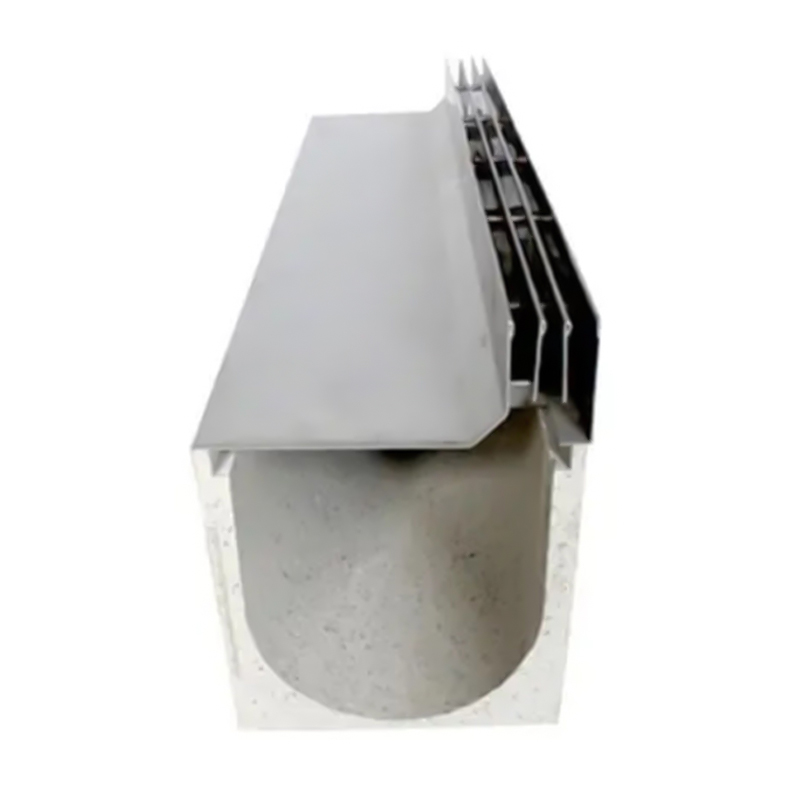
A concrete drainage channel installation demands more upfront planning than a plastic system, since concrete units are heavier, harder to reposition once placed, and typically set into a concrete bedding that cures permanently. That makes correct initial positioning critical — adjusting after the concrete cures is costly and disruptive.
For driveway applications carrying vehicle loads, position should also account for wheel-path avoidance where possible. A channel set outside the direct wheel path of a typical vehicle wears more slowly at the grate and joints, extending the system's functional life by several years compared with a channel positioned directly under repeated wheel loading.
Warning
A channel positioned above the true low point of a surface will be bypassed entirely. Water follows gravity, not intention — verify the grade before committing to a line.
Placing the channel too far uphill — If the channel sits above the surface's real low point, water bypasses it and continues to the actual low point, which is often nearer the foundation or garage than intended.
Ignoring the outlet path — A channel positioned correctly relative to the surface, but with no clear route for the water to exit — to a storm drain, dry well, or daylight discharge point — simply backs up during heavy rain, defeating the entire installation.
Running parallel instead of perpendicular to flow — A channel laid in the same direction as water movement, rather than across it, captures only a fraction of the runoff. Channels perform best when set to intercept the full width of a flow path.
Success
A channel positioned at the true low point, with a clear outlet and correct distance from the foundation, typically performs reliably for 15 to 20 years with only routine cleaning.
Once position is confirmed through slope testing and a utility check, walk the plan once more before cutting into the driveway, patio, or soil. Correct positioning, paired with sound bedding and outlet planning, is what separates a system that performs for decades from one that needs repair before the first rainy season ends.
Danger
Never excavate within a meter of a foundation footing without first confirming footing depth. Undermining the soil beneath a foundation can compromise structural stability.
Placement is the decision that determines everything else about a drainage channel's performance. The right position — at the true low point, at the correct distance from the foundation, with a clear outlet — turns even a modest channel into a system that quietly does its job for two decades. The wrong position turns even the best materials into an expensive line in the ground that water simply ignores.
Related Products
Engineered to address the long-term challenges of chemical erosion and structural aging in architect...
READ MOREEngineered to address the long-term challenges of chemical erosion and structural aging in architect...
READ MOREEngineered to address the long-term challenges of chemical erosion and structural aging in architect...
READ MOREEngineered to address the long-term challenges of chemical erosion and structural aging in architect...
READ MOREEngineered to address the long-term challenges of chemical erosion and structural aging in architect...
READ MOREEngineered to address the long-term challenges of chemical erosion and structural aging in architect...
READ MORE
Contact us
Factory Address
Group 12, Quanxin Village, Donghai Town, Qidong City, Nantong City, Jiangsu Province, China
phone
+86-13914963840
+86-13451754670
products
QR CODE
 Wholesale Drainage Ditch Manufacturers