 English
 Español
 عربى
عربى
Materials & Engineering — Composite Infrastructure
A grounded look at the resin and polymer systems that give composite manhole covers their strength, longevity, and resistance to the elements — from everyday polyester formulations to specialty vinyl ester and phenolic systems built for harsher ground.
The Direct Answer: Which Resins Are Used in Composite Manhole Covers
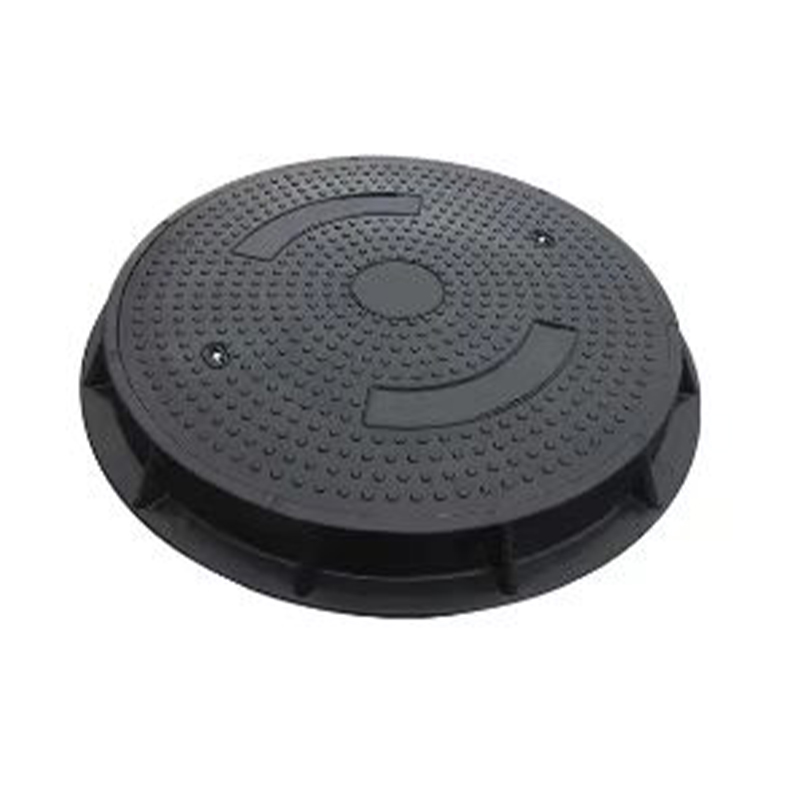
Composite manhole covers are most commonly manufactured using unsaturated polyester resin (UPR), vinyl ester resin, and, less frequently, phenolic resin or polyurethane (PU) resin systems. These polymer matrices are reinforced with glass fibers, mineral fillers, and additives to form what the industry generally calls fiber-reinforced polymer (FRP) or sheet molding compound (SMC) covers.
Among these, unsaturated polyester resin combined with SMC molding remains the dominant choice for standard round drain cover and square manhole cover products because it balances mechanical strength, moldability, and cost. Vinyl ester resin is reserved for higher-corrosion environments such as coastal drainage or chemical plants, while phenolic resin is chosen when fire resistance is a priority.
Understanding these resin systems helps buyers evaluate why one composite cover outperforms another under identical load ratings.
Unsaturated Polyester Resin (UPR): The Industry Standard
Unsaturated polyester resin is the backbone of most composite manhole covers on the market today. It is typically processed as Sheet Molding Compound (SMC) or Bulk Molding Compound (BMC), where the resin is pre-mixed with chopped glass fiber and mineral filler before being compression-molded under heat and pressure. This process allows manufacturers to produce a round drain cover or a square manhole cover with consistent wall thickness and a smooth, textured surface that resists slipping.
Why Polyester Resin Is Preferred
Polyester-based SMC covers offer a good balance between rigidity and toughness. A properly cured polyester composite achieves a flexural strength of roughly 90 to 120 MPa, which is sufficient for load classes ranging from B125 (pedestrian and light vehicle areas) up to D400 (roadways). The resin also cures quickly during molding, which shortens production cycles and keeps manufacturing costs competitive compared with vinyl ester or phenolic alternatives.
- Fast curing time, typically 3 to 8 minutes per molding cycle
- Good dimensional stability across temperature swings
- Compatible with pigment additives for color-coded utility identification
- Lower raw material cost than vinyl ester systems
Vinyl Ester Resin: Built for Corrosive Environments
When a manhole cover will sit in a wastewater treatment plant, coastal drainage system, or industrial site exposed to acids and alkalis, manufacturers often switch from polyester to vinyl ester resin. Vinyl ester molecules have fewer ester linkages than polyester, which reduces the number of sites vulnerable to hydrolysis. This gives vinyl ester composite covers significantly better resistance to sulfuric acid, sodium hydroxide, and salt spray over a service life that can exceed 25 years in aggressive conditions.
manhole cover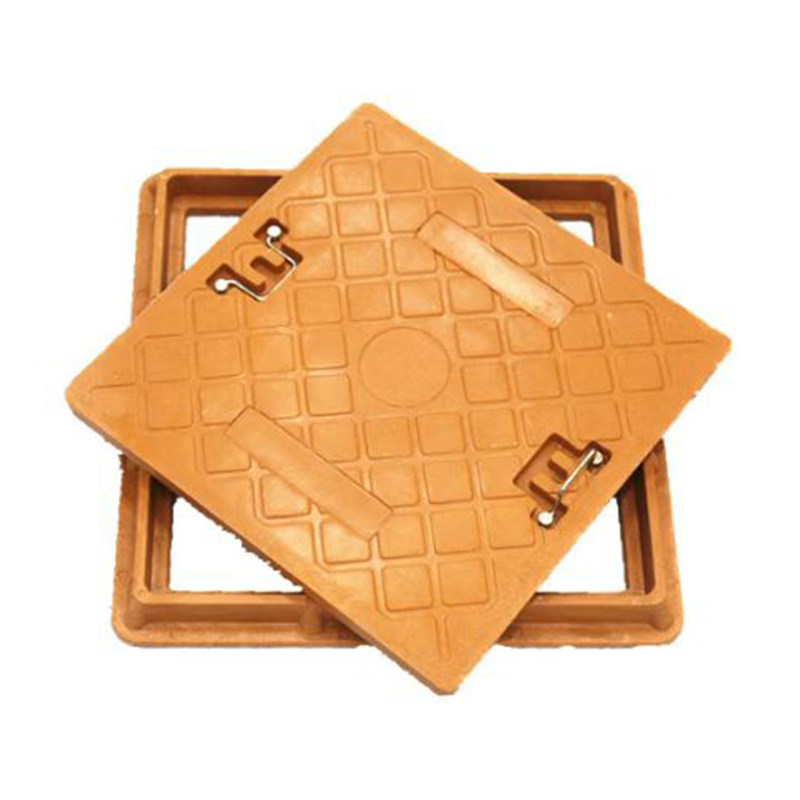
The trade-off is cost: vinyl ester resin typically costs 30 to 50 percent more than standard polyester resin per kilogram. For this reason, it is generally specified only where corrosion resistance is a documented requirement, rather than as a default choice for general-purpose covers.
Info
Vinyl ester resin's reduced ester-linkage density is the core reason it resists hydrolysis better than standard polyester — a detail worth confirming in writing when sourcing for corrosive sites.
Phenolic and Polyurethane Resins: Niche Applications
Phenolic resin systems are chosen when fire performance matters, such as covers installed near fuel stations, tunnels, or industrial fire zones. Phenolic composites have inherently low flammability and produce less smoke and toxic gas when exposed to flame compared with polyester or vinyl ester. However, phenolic resin is more brittle and harder to mold into complex shapes, which limits its use to specialized projects rather than mainstream production.
Polyurethane resin, sometimes combined with recycled rubber or mineral aggregate, is occasionally used for lightweight, low-load covers intended for garden paths, utility boxes, or as a drain cover bunnings shoppers might pick up for a residential landscaping project. PU composites are flexible and impact-resistant but generally rated only for pedestrian loads (A15 to B125), so they are not suitable for vehicle traffic areas.
Warning
PU composite covers are not engineered for vehicle traffic. Installing a pedestrian-rated (A15–B125) cover in a driveway or roadway location risks premature cracking or failure.
Reinforcement Fibers and Fillers That Work With the Resin
The resin matrix alone is not strong enough to bear traffic loads; it needs reinforcement. Most composite manhole covers use chopped or continuous glass fiber at 20 to 35 percent fiber content by weight. Glass fiber increases tensile and flexural strength while keeping the material lightweight compared with cast iron or concrete.
| Component | Typical Content | Function |
|---|---|---|
| Glass fiber | 20% to 35% | Tensile and flexural strength |
| Calcium carbonate filler | 30% to 45% | Dimensional stability, cost reduction |
| Silica sand or quartz filler | 10% to 20% | Surface hardness and slip resistance |
| UV stabilizer additive | 0.5% to 2% | Prevents resin degradation from sunlight |
Mineral fillers such as calcium carbonate and silica sand also reduce shrinkage during curing and lower the overall material cost, allowing manufacturers to keep composite covers price-competitive with traditional cast iron products while maintaining the required strength for both a square manhole cover and standard circular designs.
How Resin Choice Affects Load Rating and Shape Options
The resin system directly influences which load class a cover can be certified for under standards such as EN124. A polyester SMC formulation with 30 percent glass fiber loading can comfortably reach D400 ratings (40-tonne axle load) for roadway installations, while lighter PU or lower-fiber-content formulations top out around B125, suitable only for pedestrian zones or light residential driveways.
Round Versus Square Designs
Resin behavior also affects manufacturability of different shapes. A round drain cover distributes load evenly around its circumference and is easier to mold without stress concentration at corners, which is why polyester SMC round covers are the most widely produced composite product. A square manhole cover, by contrast, experiences higher stress at its corners under load, so manufacturers often increase glass fiber content or add corner reinforcement ribs in the mold to compensate. This is an important detail for buyers comparing quotes, since two covers with the same resin type but different shapes may need different fiber loadings to meet the same load class.
Comparing Composite Resin Covers to Traditional Materials
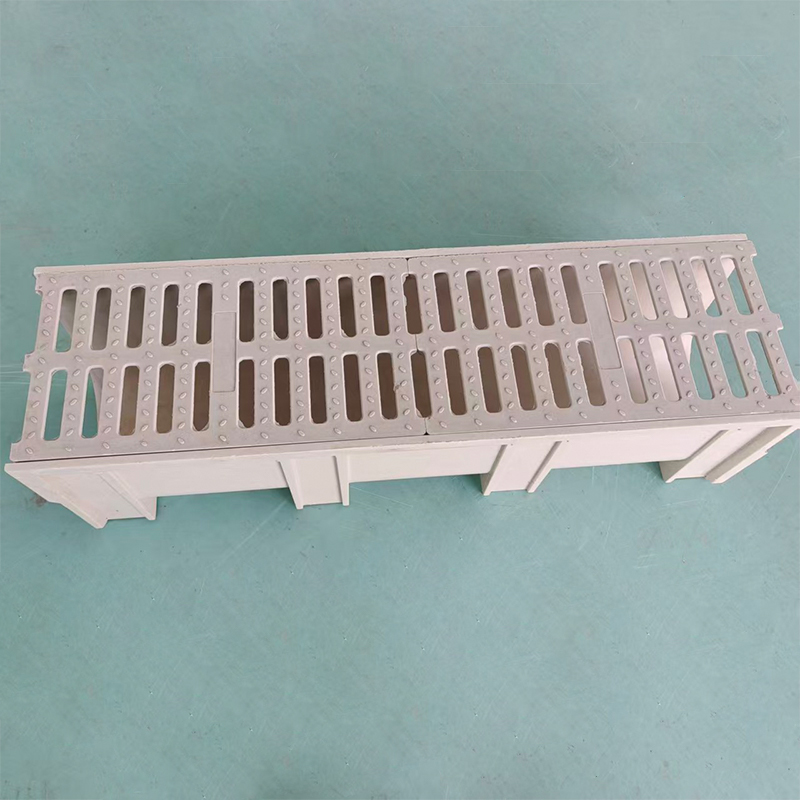
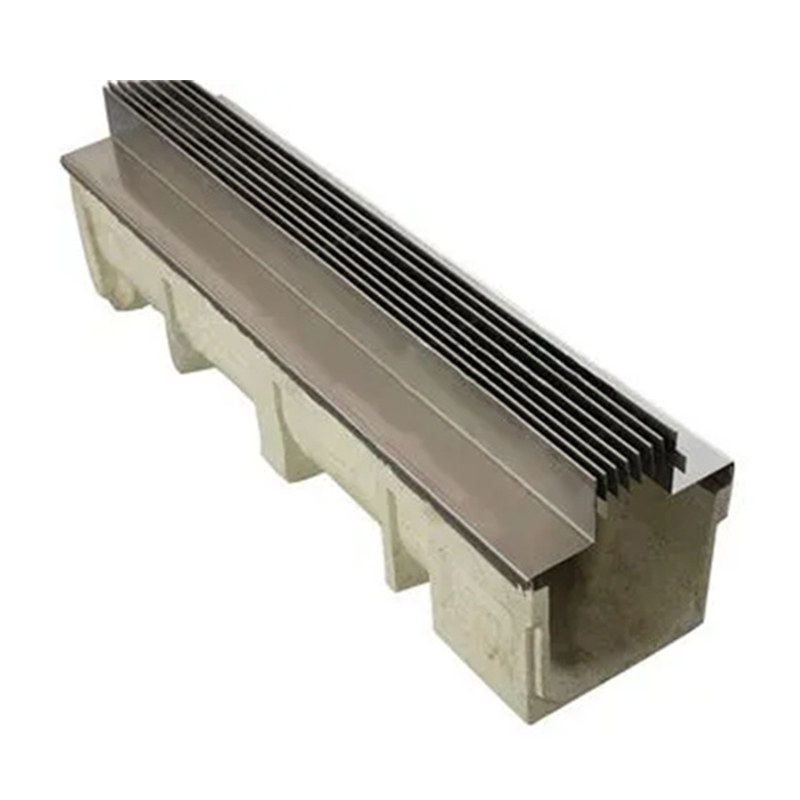
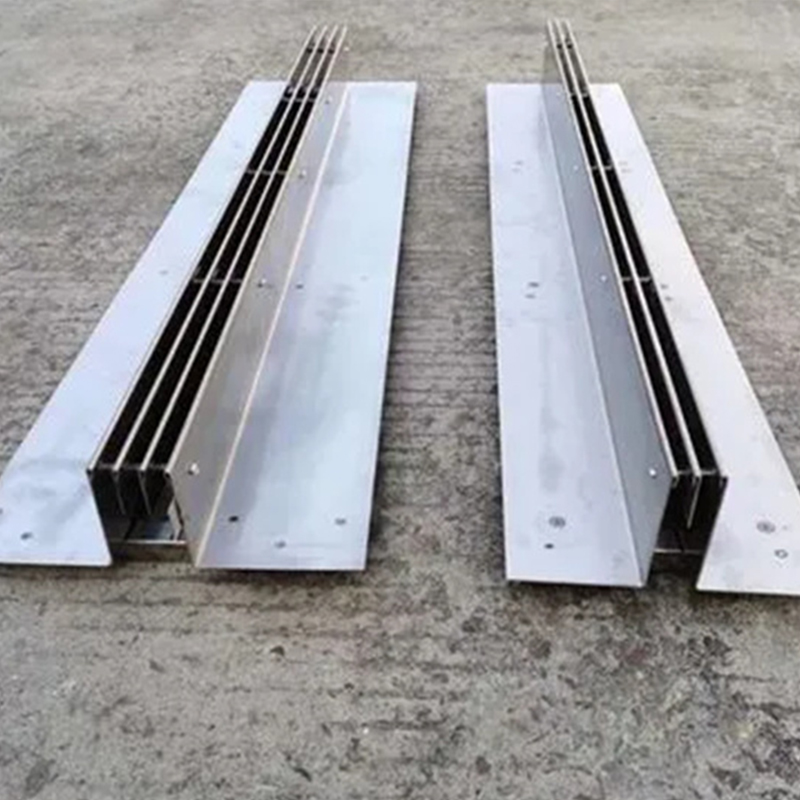
Buyers researching a drain cover bunnings aisle or an industrial supplier catalog often compare resin composite covers against galvanized steel gratings, cast iron, or precast concrete. The table below summarizes key differences relevant to purchasing decisions.
| Material | Corrosion Resistance | Relative Weight | Scrap Theft Risk |
|---|---|---|---|
| Polyester composite | High | Low | Very low |
| Vinyl ester composite | Very high | Low | Very low |
| Cast iron | Low without coating | High | High |
| Precast concrete | Moderate | Very high | None |
Success
Because resin composites contain no recoverable scrap metal value, they are rarely targeted for theft — a growing purchasing consideration for municipalities and property managers replacing stolen cast iron covers.
Curing Methods and Their Effect on Final Performance
Resin systems require a curing agent, usually a peroxide catalyst, to trigger the cross-linking reaction that transforms liquid resin into a rigid solid. The curing method affects the final mechanical properties of a composite manhole cover in several ways:
- Compression molding under heat (typically 140°C to 160°C) produces the densest, most uniform structure, ideal for high load classes.
- Hand lay-up with room-temperature curing is used for prototypes or low-volume custom shapes but yields lower strength consistency.
- Post-curing at elevated temperature after initial molding can improve chemical resistance by completing the cross-linking process more fully.
Buyers evaluating suppliers should ask whether covers are compression-molded or hand-laid, since this single manufacturing detail often explains price differences between seemingly similar products.
Practical Selection Tips Based on Resin Type
Choosing the right resin system depends on the installation environment and expected load. The following guidance can help narrow down options before requesting quotes:
- For standard municipal roads and sidewalks, a polyester SMC round drain cover rated D400 offers the best cost-to-performance ratio.
- For chemical plants, ports, or coastal drainage, specify vinyl ester resin to extend service life against corrosive exposure.
- For fire-sensitive zones such as fuel depots, request a phenolic resin formulation with documented fire test certification.
- For light residential or garden use, a lower-cost PU or polyester square manhole cover rated A15 to B125 is generally sufficient.
- Always request the resin's fiber content percentage and cure method in writing, since these two factors most directly determine long-term durability.
Danger
Never substitute a pedestrian-rated resin formulation into a roadway or heavy-traffic location — undocumented fiber content or cure method makes load capacity impossible to verify after installation.
Final Takeaway
The resin system is the single most influential factor in a composite manhole cover's strength, chemical resistance, and lifespan. Unsaturated polyester resin remains the practical default for most projects, vinyl ester resin serves demanding corrosive environments, and phenolic or polyurethane resins address specialized fire-resistance or lightweight applications. Whether a buyer is sourcing a heavy-duty square manhole cover for a city street, a general-purpose round drain cover for a housing development, or a light-duty drain cover bunnings option for a home garden path, matching the resin system to the actual site conditions is the key to getting a product that performs reliably for decades rather than failing prematurely.