 English
 Español
 عربى
عربى

The Minimalist Linear GRC door and window frames are specifically designed for architectural project...
READ MORESep 03, 2026
Content
A practical guide for engineers, contractors, and site managers who need a durable surface drainage system under heavy traffic and changing weather.
When stormwater collects on a road, a parking lot, or a loading yard, the choice of drainage system is not a cosmetic decision. A poorly specified concrete linear drainage channel can be the difference between a surface that stays dry for decades and one that develops potholes, settlement, and dangerous slippery areas. This article walks you through the key selection criteria: load class, body material, installation practice, and site-specific applications.
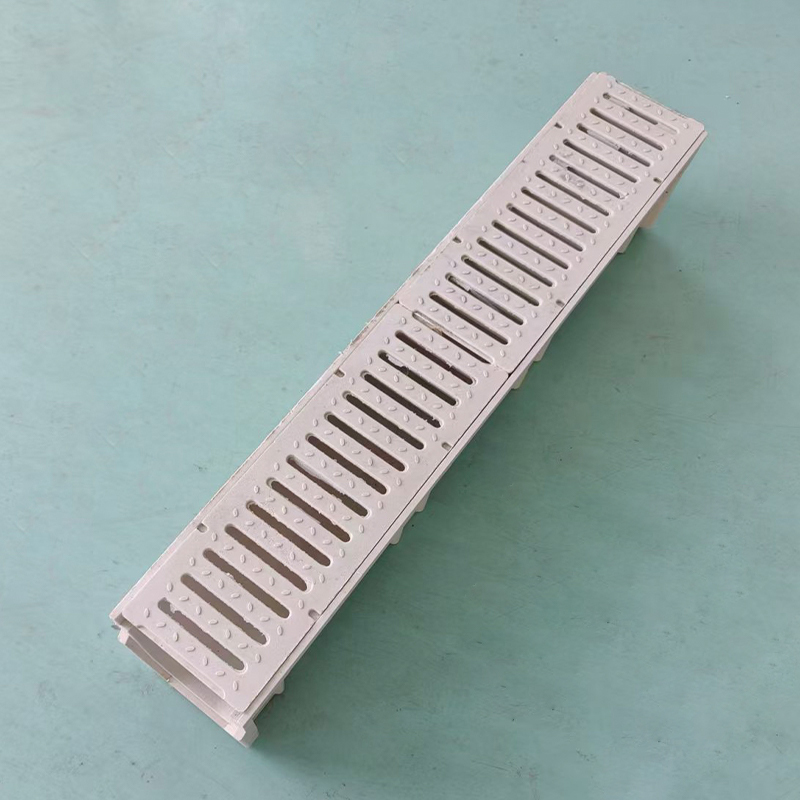
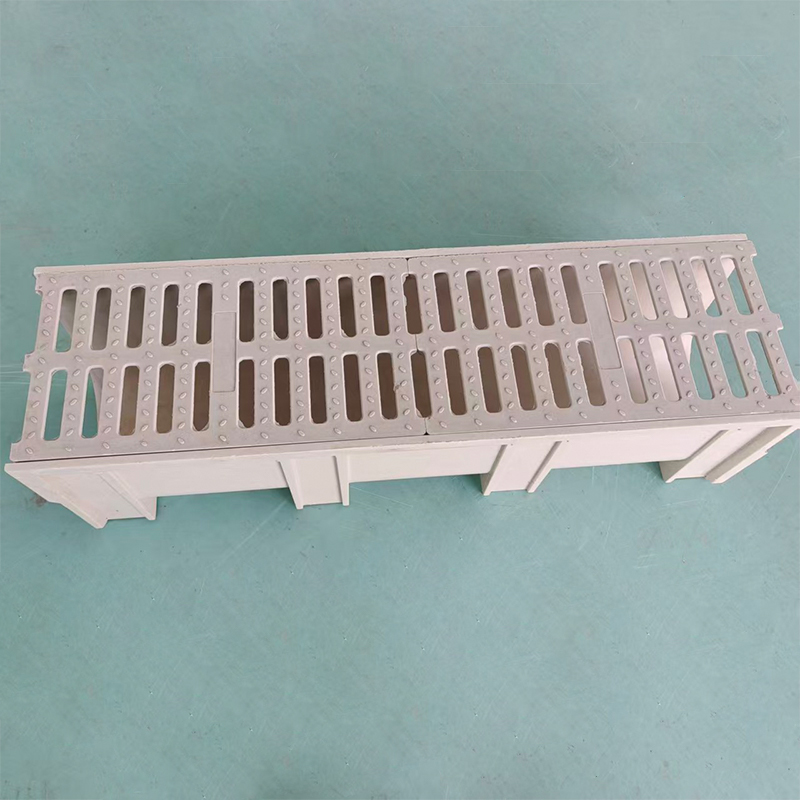
A concrete linear drainage channel is a prefabricated U-shaped system that collects surface runoff along a continuous line and directs it to a downstream outlet. Unlike a traditional point drain, which pulls water through a small opening, a linear channel uses a long slot that captures water over the entire length of the pavement edge.
The structural body of a concrete channel is designed to resist both vertical wheel loads and lateral earth pressure. This means that the channel can be buried in a road construction without deforming under backfill or repeated vehicle passes. For road maintenance teams, this structural reliability reduces the risk of costly repair work.
“The real question is not whether to use concrete, but how to match the load class and material composition to the actual site conditions.”
There are two main types of concrete bodies you will encounter:
Load rating is the first specification to confirm. Many project teams rely on the EN 124 standard, which classifies gully tops and manhole tops into classes such as A15, B125, C250, D400, E600, and F900. For a linear drainage channel, the class indicates the maximum load the cover and body can withstand without excessive deflection.
| Load class | Typical use | Notes |
|---|---|---|
| A15 | Pedestrian areas, cycleways | Light foot traffic only |
| B125 | Sidewalks, parking areas for cars | Occasional small vehicle access |
| C250 | Roadside gutters, kerb channels | Service vehicles with moderate loads |
| D400 | Roads, hard standing, car parks | Standard road traffic and occasional heavy trucks |
| E600 | Industrial yards, docks, airport aprons | Forklifts, heavy pallet trucks, aircraft |
| F900 | Specialist heavy-duty areas | Very high point loads |
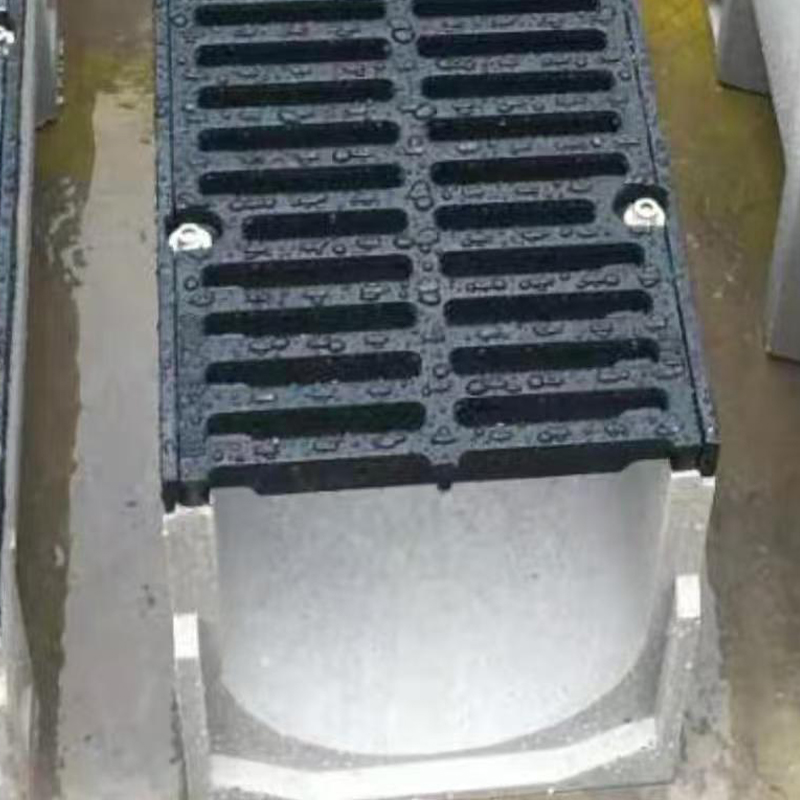
Choosing the right class at the design stage prevents future problems. If a channel is installed in a road with an insufficient load rating, the cover can crack, the body can settle, and the surrounding pavement will eventually fail. For high-load areas, you need a channel that combines a deep body with an optimized cross-section. A high load-bearing concrete linear channel keeps the unit stable under dynamic loading and reduces the risk of joint displacement.
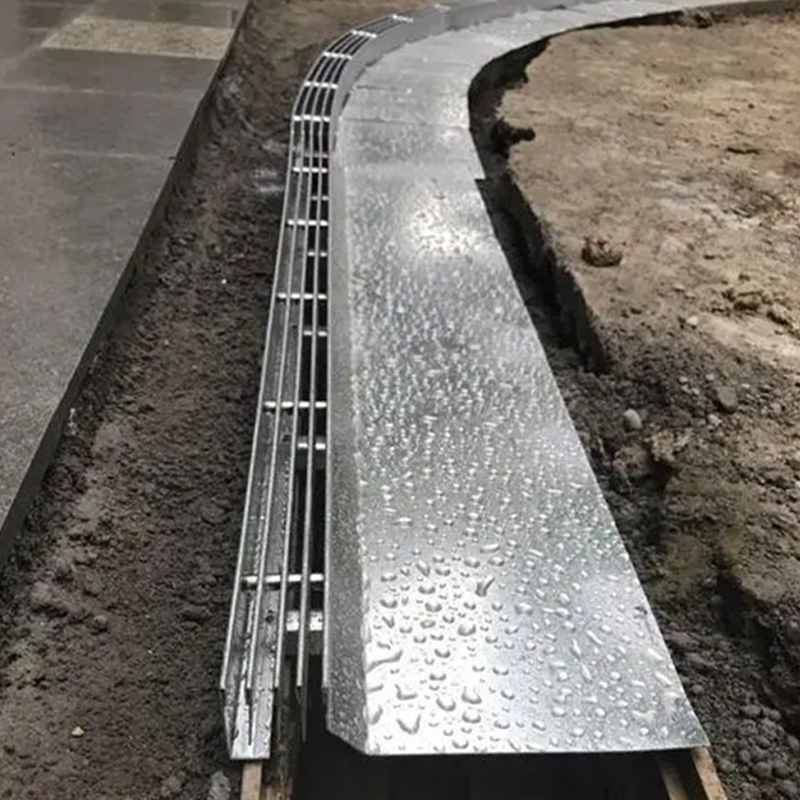 High Load-Bearing Linear Drainage Channel for Heavy-Duty AreasDesigned for industrial zones and highways, this channel withstands heavy traffic without deformation. Its optimized cross-section and deep body ensure stability under dynamic loading, reducing joint displacement and protecting surrounding pavement.View Product →
Although this article focuses on concrete linear drainage channels, it is worth comparing the main body materials side by side. The choice depends on the media being drained, the surrounding environment, and the installation method.
| Material | Weight | Corrosion resistance | Installation ease | Cost |
|---|---|---|---|---|
| Ordinary concrete | Heavy | Good | Requires lifting equipment | Low |
| Resin concrete | Medium | Excellent | Light enough for manual handling in smaller sections | Medium |
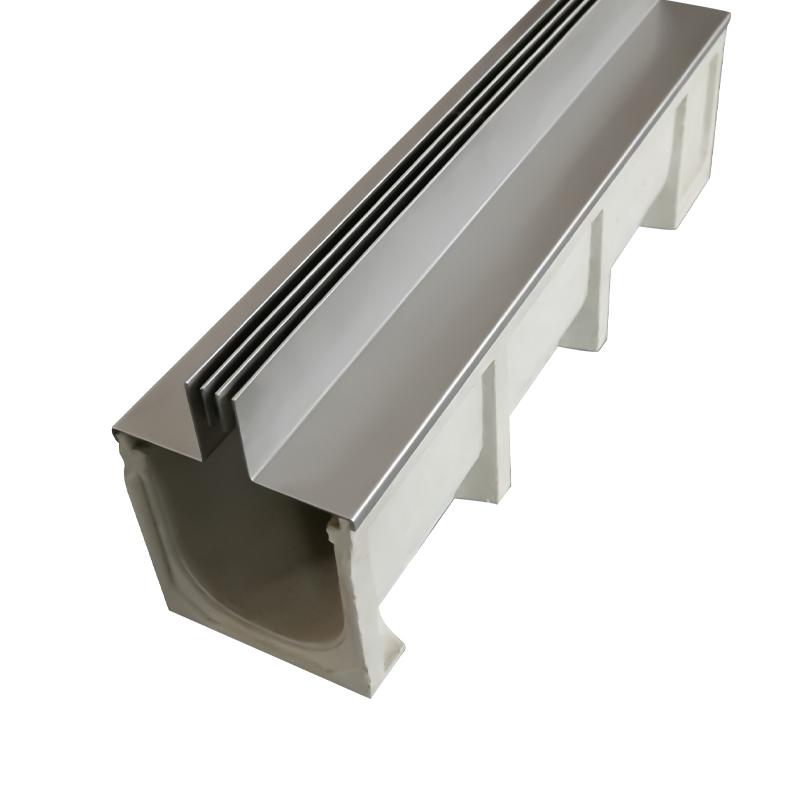
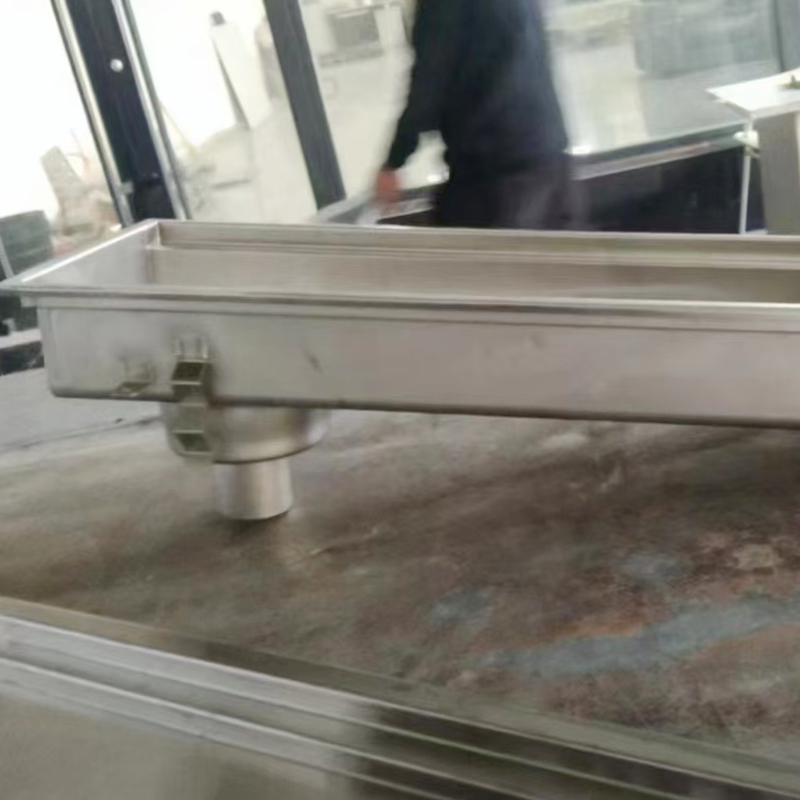
| Stainless steel | Light | Outstanding | Very easy to align | High |
For most road and pavement projects, a resin concrete or reinforced concrete channel with a ductile iron or stainless steel grate is a sensible default. If the drainage system may come into contact with de-icing salts or aggressive chemicals, resin concrete is often the better choice due to its lower porosity and higher resistance to chemical attack.
Stainless steel channels are noticeably lighter and visually cleaner, which is why they appear in architectural landscaping and indoor areas. However, for high-load conditions, concrete and resin concrete offer a more robust body structure.
“Material selection should be driven by the expected chemical exposure, the installation environment, and the aesthetic standard of the finished surface.”
A correctly specified channel can still fail if the installation is sloppy. The following factors are critical.
If you plan to handle installation on site, always follow the manufacturer's recommended method. A step-by-step installation guide can help you avoid common mistakes such as using insufficient mortar or placing the channel on a soft subgrade.
Follow our step-by-step installation guide for channel drainage to see the recommended sequence and best practices before you start digging.
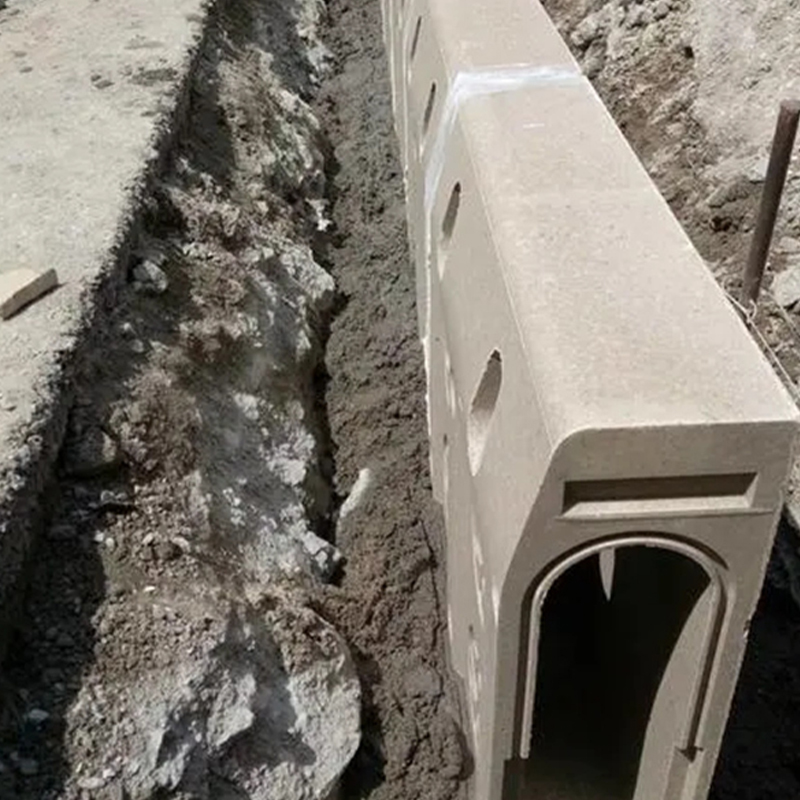
 Uniform Load-Bearing Precast Drainage Channel with Modular AssemblyThe box-structure design distributes loads evenly, preventing subsidence. Made from high-strength resin concrete with integrated edge rails, it offers freeze-thaw resistance and quick installation via interlocking sections.View Product →
Concrete linear drainage channels adapt to a wide range of environments. The key is to choose the right cover and slot width for each condition.
In high-traffic and wet conditions, the surface of the cover plays a major role in worker and pedestrian safety. A channel with an antislip and wear-resistant grate can significantly reduce slip accidents in damp environments.
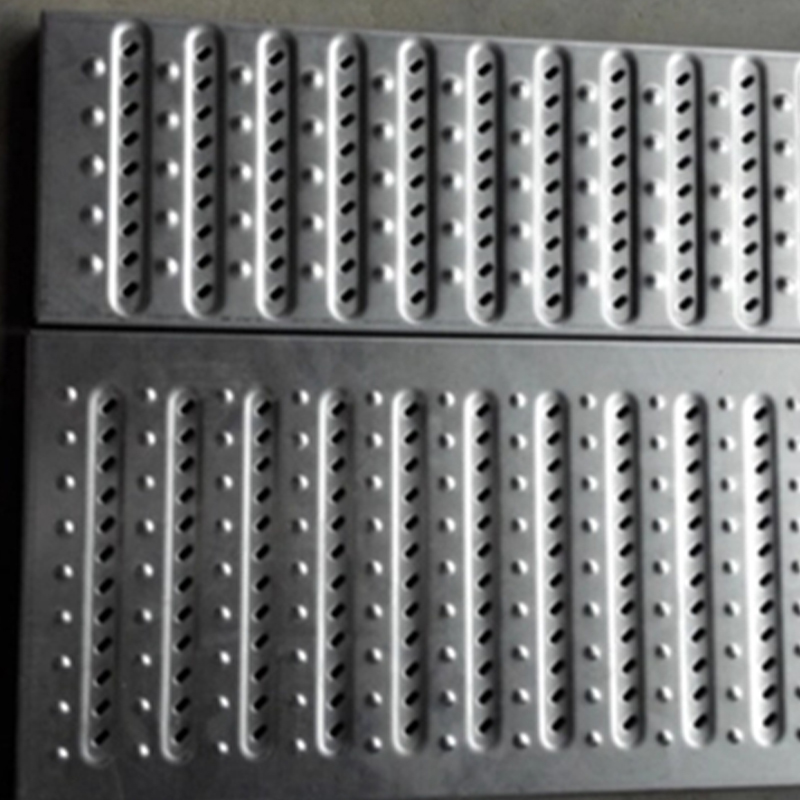
 Anti-Slip Wear-Resistant Linear Drainage Channel for SafetyFeaturing an anti-slip grating and wear-resistant materials, this channel reduces slip accidents in wet conditions. It handles heavy flows and frequent traffic, with removable grates for easy maintenance.View Product →
Before you place your order, use this checklist to confirm every requirement.
Concrete linear drainage channels are not a one-size-fits-all product. The right system depends on the traffic, the environment, and the finish you need. By choosing the correct load class, material, and installation practice, you build a drainage solution that quietly does its job for years.
Related Products
The Minimalist Linear GRC door and window frames are specifically designed for architectural project...
READ MOREThe Minimalist Linear GRC door and window frames are specifically designed for architectural project...
READ MOREThe Minimalist Linear GRC door and window frames are specifically designed for architectural project...
READ MOREThe Minimalist Linear GRC door and window frames are specifically designed for architectural project...
READ MOREThe Minimalist Linear GRC door and window frames are specifically designed for architectural project...
READ MOREThe Minimalist Linear GRC door and window frames are specifically designed for architectural project...
READ MORE
Contact us
Factory Address
Group 12, Quanxin Village, Donghai Town, Qidong City, Nantong City, Jiangsu Province, China
phone
+86-13914963840
+86-13451754670
products
QR CODE
 Wholesale Drainage Ditch Manufacturers