 English
 Español
 عربى
عربى
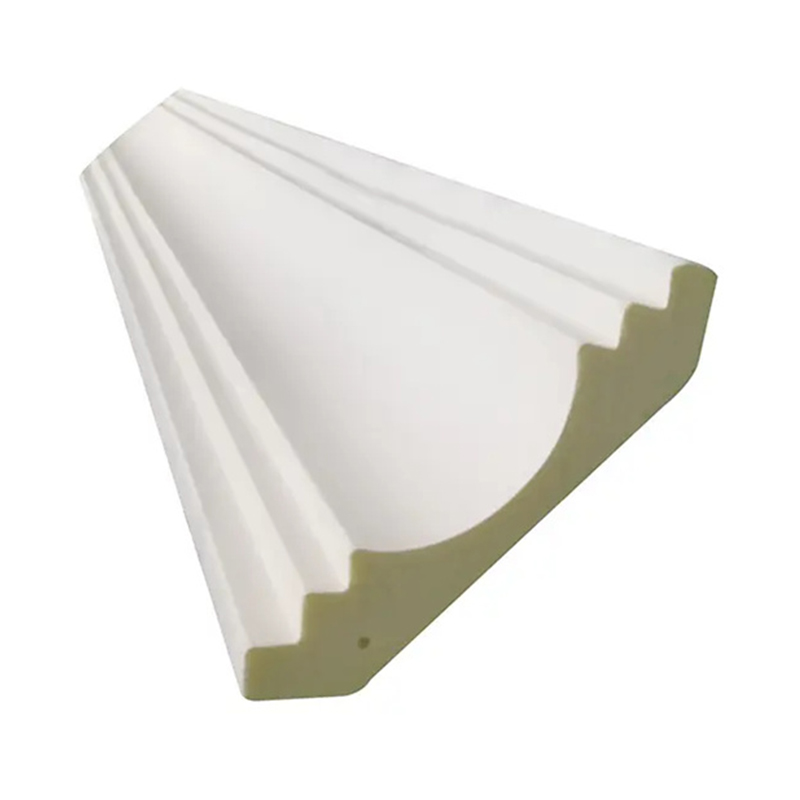
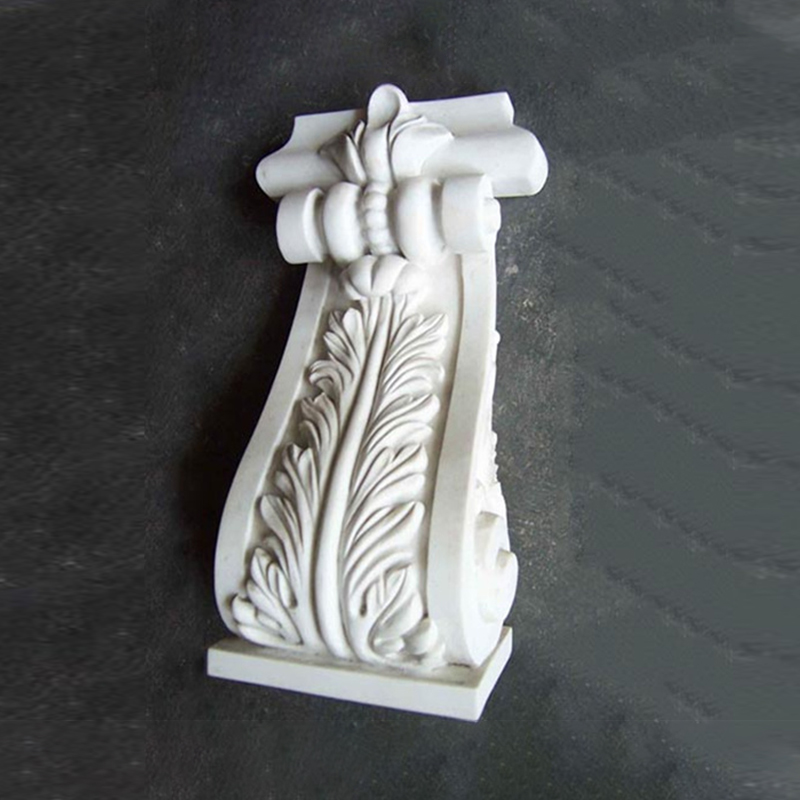
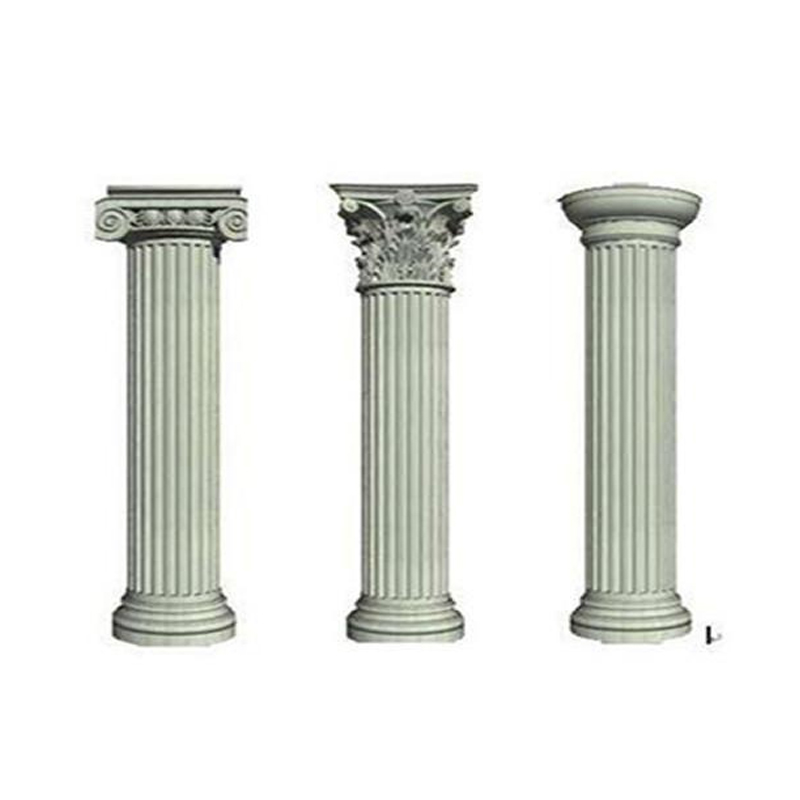
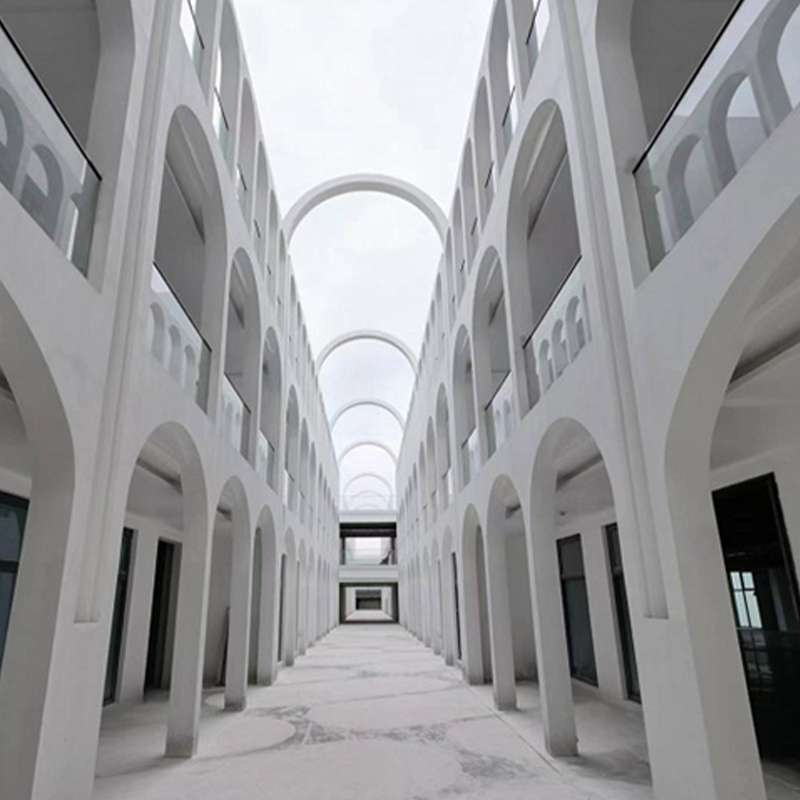
Energy-Efficient Sustainable GRC Curtain Wall Panels are high-performance architectural panels desig...
READ MOREAug 25, 2026
Content
Selecting a drainage channel is more involved than choosing the widest trough in a catalog. Specify the wrong load class and grates crack under the first delivery truck. Underestimate the flow and the pavement ponds after a summer storm. Overlook outlet connections and the entire run backs up into the parking area. Drainage channel specifications exist to translate site conditions into a system that performs for decades. This guide covers the specifications that matter most: load class, hydraulic capacity, material, outlet configuration, and installation, and explains how they fit together in real projects.
Load class is the first specification to lock down because it drives every other decision: channel wall thickness, grate type, bedding depth, and installed cost. In Europe and most of Asia, EN 124 is the governing standard. Each class is identified by the test load, in kilonewtons, that the assembled channel and grate must withstand without permanent deformation or failure. The test simulates a tire contact patch, so the rating reflects real wheel loads rather than an evenly distributed weight.
| Class | Typical Application | Test Load |
|---|---|---|
| A15 | Pedestrian areas, bicycle paths, gardens | 15 kN |
| B125 | Car parks, domestic driveways, slow-moving cars | 125 kN |
| C250 | Sidewalks, parking bays, loading areas | 250 kN |
| D400 | Carriageways, highways, hard shoulders | 400 kN |
| E600 | Industrial zones, warehouse yards, docks | 600 kN |
| F900 | Airports, port terminals, heavy industrial sites | 900 kN |
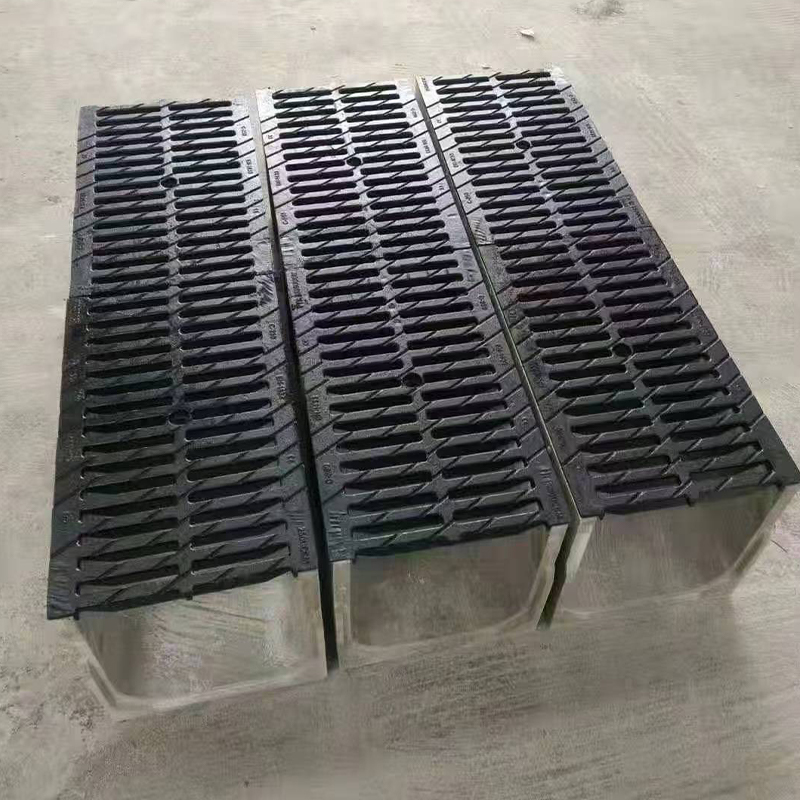
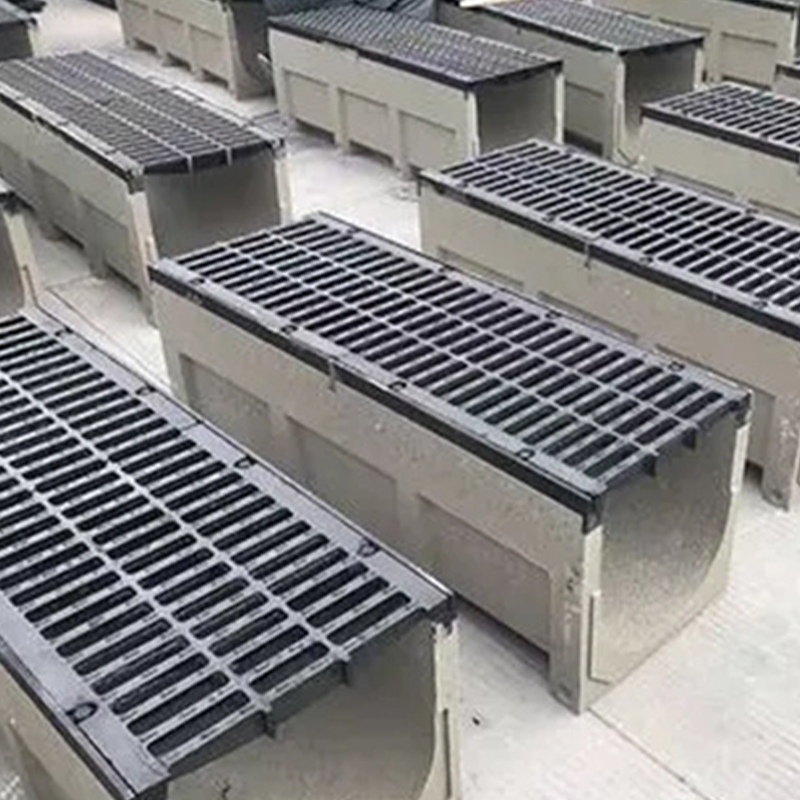
A domestic driveway used only by cars is fine with B125, but the concrete truck that pours the driveway is another matter. Many experienced specifiers step up to C250 whenever any truck access is possible. For road shoulders, gas station entrances, and loading docks, D400 is the minimum. Airports and port terminals demand F900 because aircraft ground handling equipment and container stackers impose loads far beyond road traffic. Where commercial vehicles move daily, a high-loadbearing capacity linear drainage channel with a reinforced body and a heavy-duty grate is the dependable choice, and the manufacturer's test certificate gives you documented proof of the rating.
 Wholesale High load-bearing capacity linear drainage channel Suppliers, Factory Jiangsu Yameng Traffic Road Facilities Co., Ltd is China wholesale High load-bearing capacity linear drainage channel Suppliers and Facto...View Product →
Load class keeps the channel intact; hydraulic sizing keeps the surface dry. A channel must carry the peak runoff from its contributing catchment area. That peak depends on rainfall intensity, catchment area, the runoff coefficient of the surface, and the gradient of the channel. A steep impermeable pavement produces far more runoff per square meter than a flat permeable garden, so sizing by guesswork fails quickly.
Engineers commonly use Manning's equation: Q = (1/n) x A x R^(2/3) x S^(1/2), where Q is the flow rate, n is the roughness coefficient of the channel material, A is the wetted cross-sectional area, R is the hydraulic radius, and S is the longitudinal slope. For day-to-day specification, manufacturers publish flow capacity charts for each channel profile at slopes of 0.5%, 1%, and 2%, which removes the need to solve the equation from scratch. A 100 mm wide channel covers most residential driveways; 150 mm to 200 mm channels handle commercial forecourts and car parks; 300 mm and wider channels with multiple outlets are typical for industrial yards and logistics centers.
The rule of thumb is to size the channel for a 1-in-20-year storm event, then verify that the outlet and the downstream pipe can carry the same flow. The channel is never the only component in the system. A deep narrow channel can carry the same flow as a wide shallow one, but wide profiles accept surface runoff more easily at grade, which is why width selection affects both hydraulics and pedestrian safety.
Material specification determines corrosion resistance, structural strength, weight, and long-term maintenance. There is no single best material, but there is always a right material for the environment.
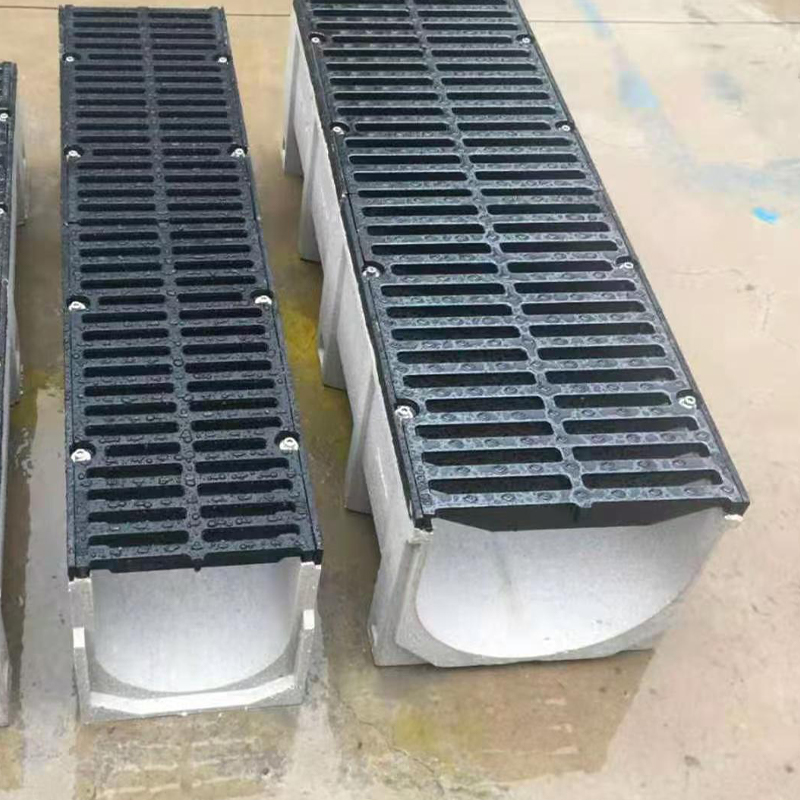
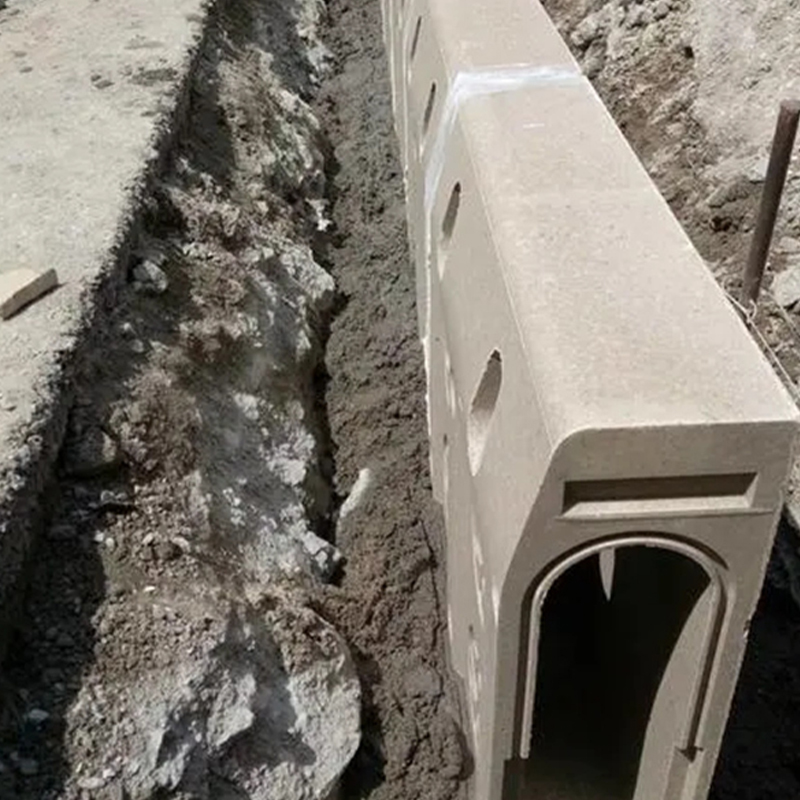
Resin concrete, also called polymer concrete, binds graded aggregates with a thermosetting resin. The result is dense, smooth-walled, and chemically resistant. Water absorption is close to zero, so freeze-thaw cycles do not spall the surface. Resin concrete is lighter than traditional concrete, cuts easily on site, and the smooth bore improves flow velocity and reduces debris accumulation. It is the default material for most modern linear and precast channel systems. A corrosion-resistant resin drainage channel is a strong candidate for fuel stations, processing plants, and coastal sites where chemical attack and chloride ingress are real risks, and it is often paired with polymer or stainless grates for a fully non-corroding assembly.
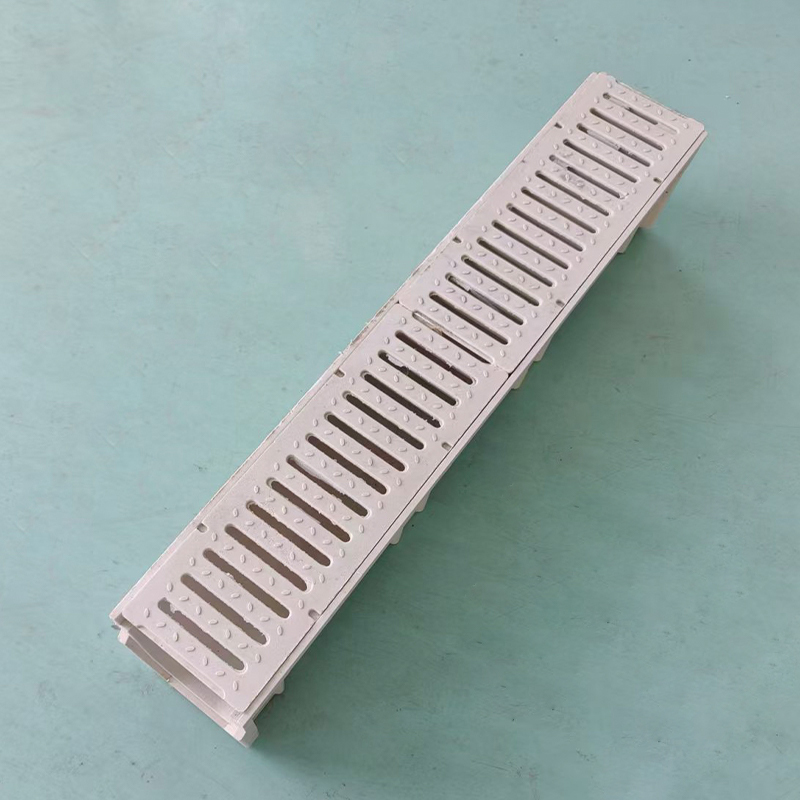 Wholesale Corrosion-resistant resin drainage channel Suppliers, Factory - JiangsJiangsu Yameng Traffic Road Facilities Co., Ltd is China wholesale Corrosion-resistant resin drainage channel Suppliers and Factory Key F...View Product →
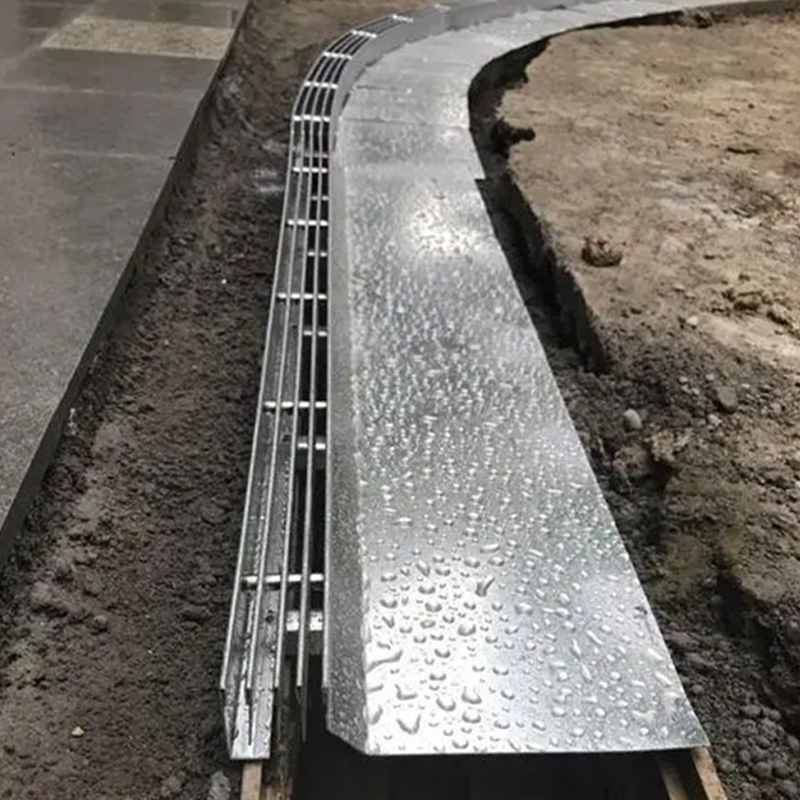
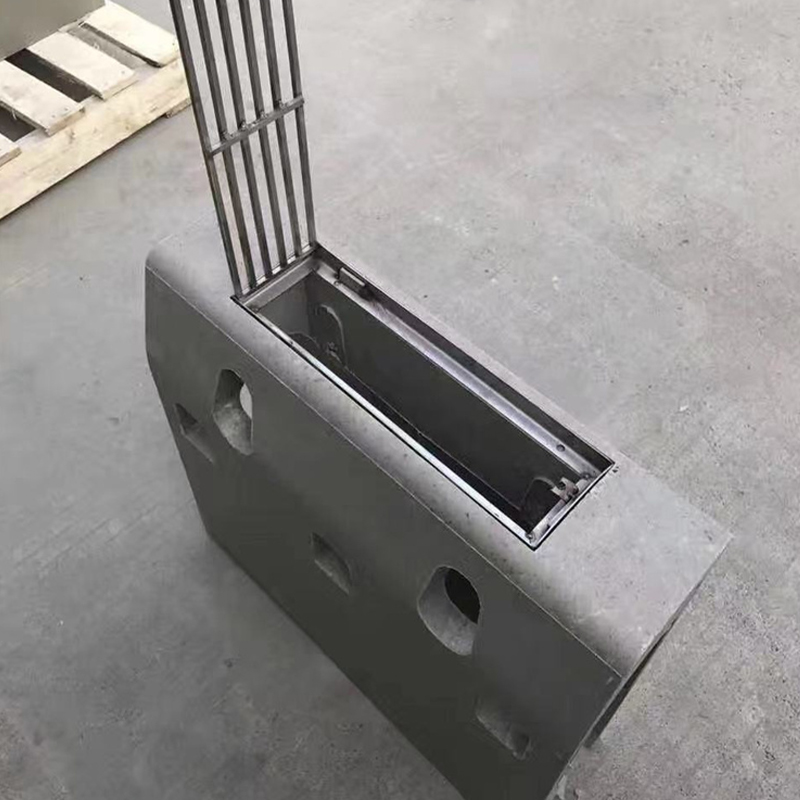
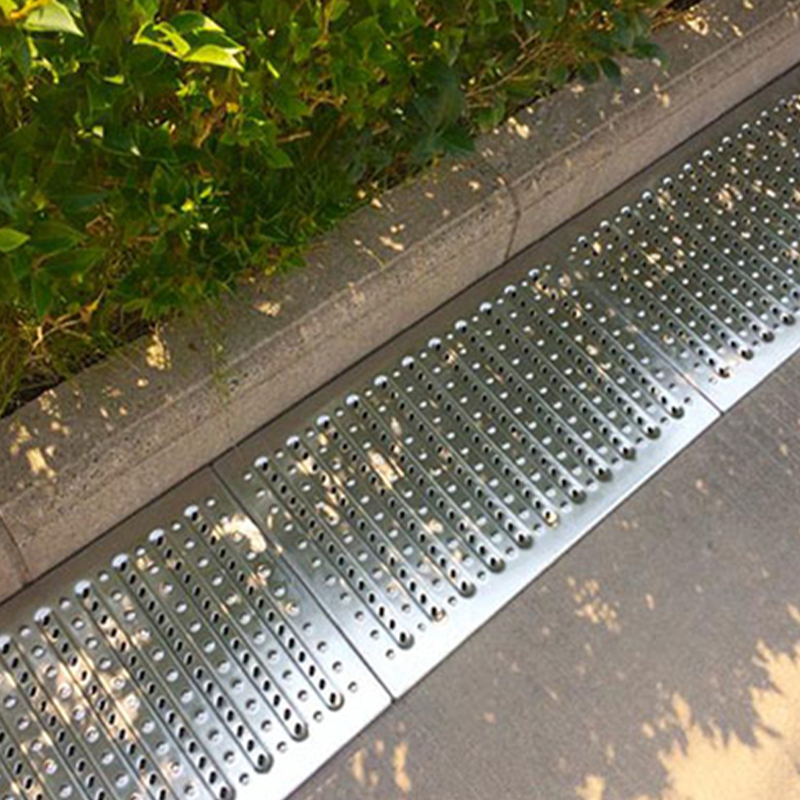
Stainless steel channels come into their own where hygiene, appearance, or aggressive corrosion makes other materials unsuitable. Food and beverage plants, pharmaceutical facilities, and architectural projects specify stainless because the surface is easy to clean, does not stain, and resists chloride attack when the grade is selected properly. Grade 304 covers most indoor and light outdoor applications; grade 316 is preferred for coastal outdoor exposure and chemical environments. A stainless steel linear drainage channel with a slotted grate is a common pairing for pedestrian plazas, building perimeters, and green belt borders where the visible metal finish has to stay clean.
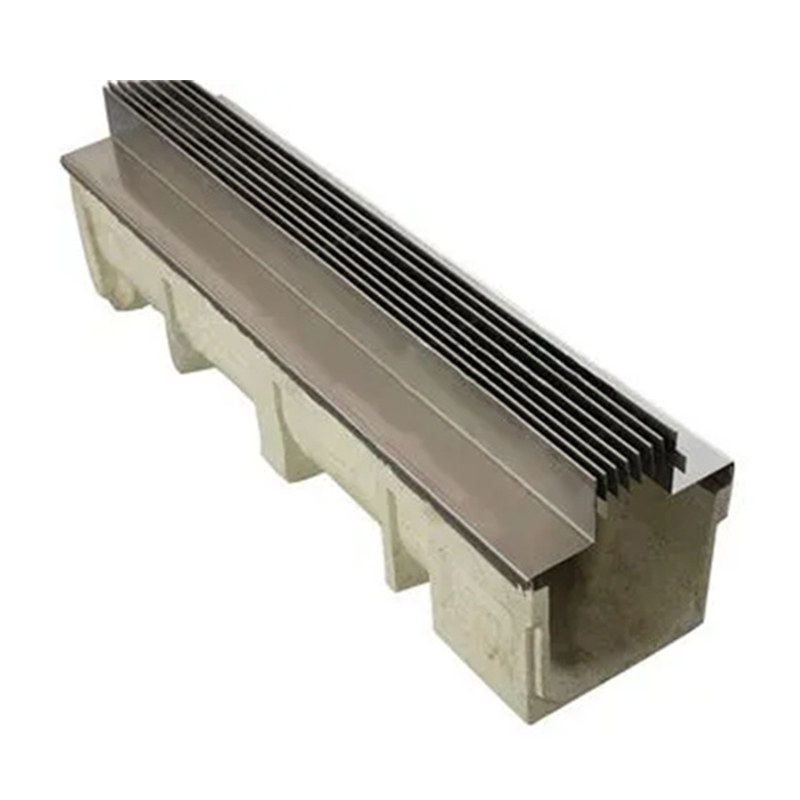 Wholesale Stainless steel linear drainage channel Suppliers, Factory - Jiangsu YJiangsu Yameng Traffic Road Facilities Co., Ltd is China wholesale Stainless steel linear drainage channel Suppliers and Factory Product ...View Product →
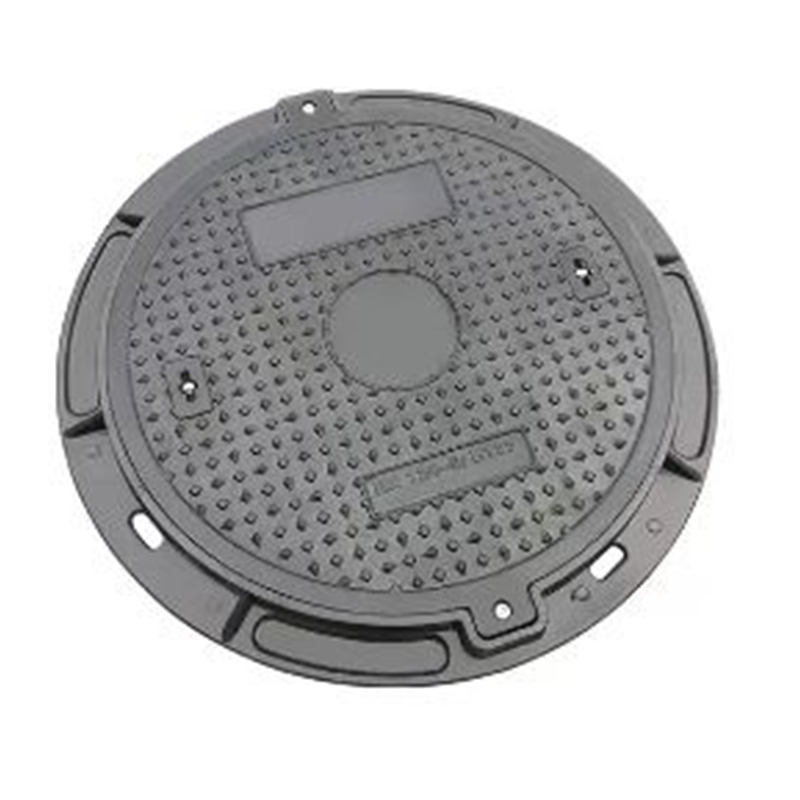
Iron alloys appear mainly in grates and covers. Ductile iron grates absorb impact loads without brittle fracture and remain the standby for roadways, industrial floors, and other heavy-traffic areas. Cast iron is still used for heavy-duty trench covers where rigidity and weight provide a stable surface. Galvanized steel and stainless steel grates are lighter alternatives where corrosion resistance or ease of lifting matters more than absolute impact capacity.
A drainage channel is only as effective as its outlet. A bottom outlet discharges vertically into the drain pipe; a side outlet connects horizontally through a socket. Outlet sizes must match the pipe diameter, commonly DN 75, DN 110, or DN 160. On a long run, outlets should be placed at intervals along the channel rather than concentrated at one end, which keeps flow velocity within the manufacturer's maximum and prevents the lower end of the run from surcharging during peak storms.
End caps terminate the run at both ends, and transitions convert the channel discharge to a pipe or catch basin. Long straight runs, beyond approximately 6 to 8 m, may need expansion joints, especially in stainless steel, to accommodate thermal movement without cracking the concrete surround. These small components are easy to omit from a bill of materials, yet they are precisely what makes the field installation watertight.
The best specification fails on site if installation is careless. Channels need a compacted, uniform bedding to distribute load into the subgrade. A concrete surround below and on both sides is standard practice; a thin mortar bed is not enough for any class above B125. The finished slope should meet the manufacturer's recommendation, usually at least 0.5% and often 1% for self-cleaning flow. Joints must be sealed to stop groundwater infiltration and exfiltration, and the sealant must tolerate the same chemicals that the channel will carry.
The top of the channel should sit flush with the finished pavement surface. A channel that stands proud gets damaged by snow plows and tires; one that sits low collects debris and becomes a trip hazard. For critical projects, follow the manufacturer's step-by-step channel drainage installation guide rather than relying on site habits that may have worked for a different product.
A complete drainage channel specification should state, at a minimum:
Provide the catchment area and local rainfall intensity to the supplier and ask for a capacity calculation in writing. Request the load test certificate and material data sheet, and verify that the test load matches the class you specified. For larger projects, inspect samples and check the actual dimensions on site before approving the product. Reviewing the complete drainage channel series is a practical starting point; then narrow the choice by load class, site chemistry, and maintenance expectations.
A specification is not paperwork. It is the contract between the site and the drainage system. Load class prevents structural failure under traffic. Hydraulic sizing prevents surface flooding during design storms. Material selection prevents premature corrosion and maintenance. Installation details make the first three work. When all of these are specified correctly, a drainage channel should outlast the pavement and quietly do its job for decades.
Related Products
Energy-Efficient Sustainable GRC Curtain Wall Panels are high-performance architectural panels desig...
READ MOREEnergy-Efficient Sustainable GRC Curtain Wall Panels are high-performance architectural panels desig...
READ MOREEnergy-Efficient Sustainable GRC Curtain Wall Panels are high-performance architectural panels desig...
READ MOREEnergy-Efficient Sustainable GRC Curtain Wall Panels are high-performance architectural panels desig...
READ MOREEnergy-Efficient Sustainable GRC Curtain Wall Panels are high-performance architectural panels desig...
READ MOREEnergy-Efficient Sustainable GRC Curtain Wall Panels are high-performance architectural panels desig...
READ MORE
Contact us
Factory Address
Group 12, Quanxin Village, Donghai Town, Qidong City, Nantong City, Jiangsu Province, China
phone
+86-13914963840
+86-13451754670
products
QR CODE
 Wholesale Drainage Ditch Manufacturers