 English
 Español
 عربى
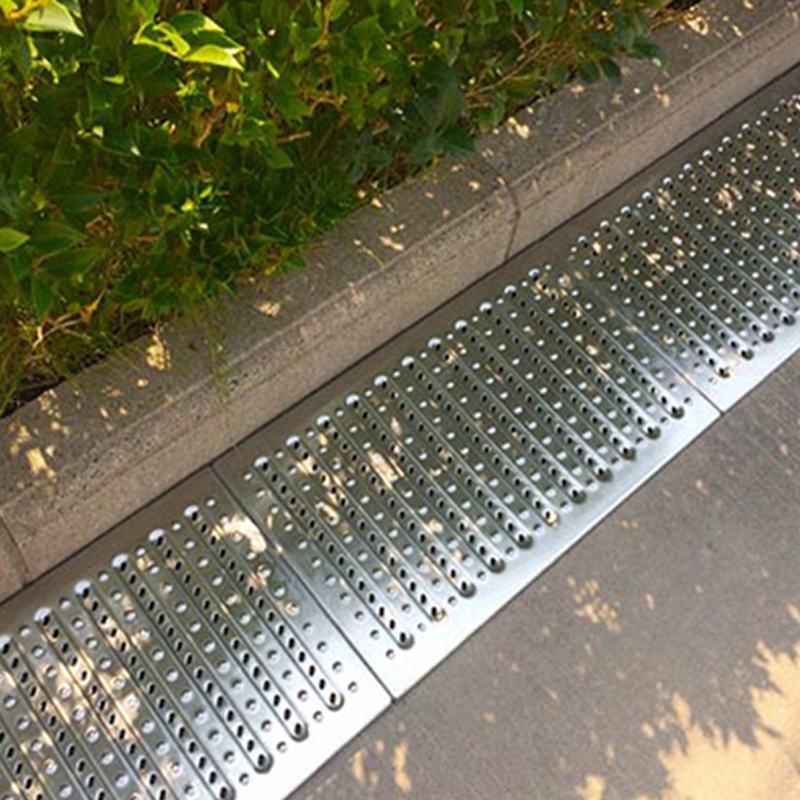
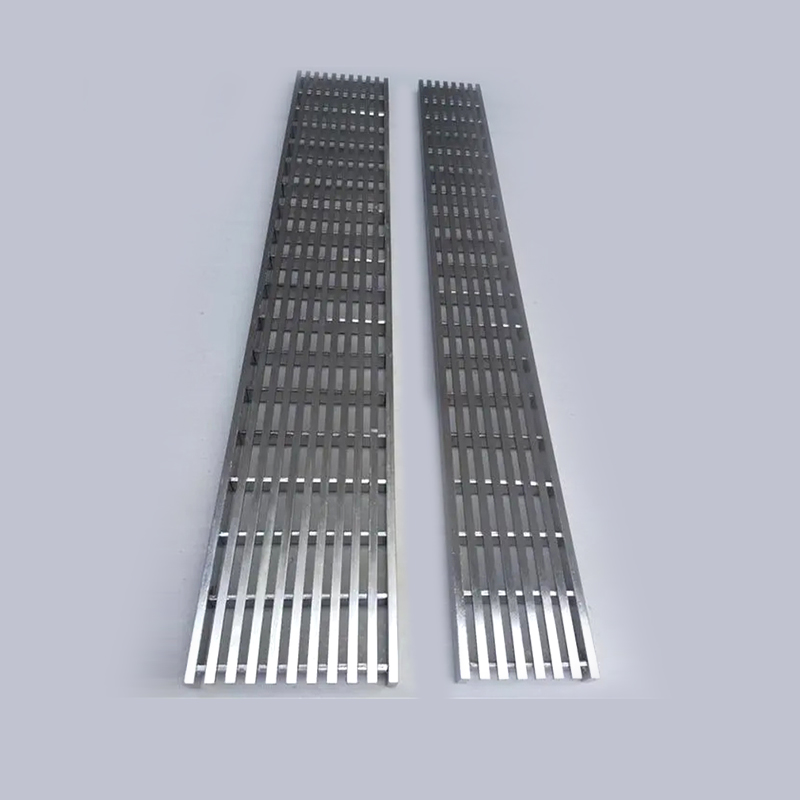
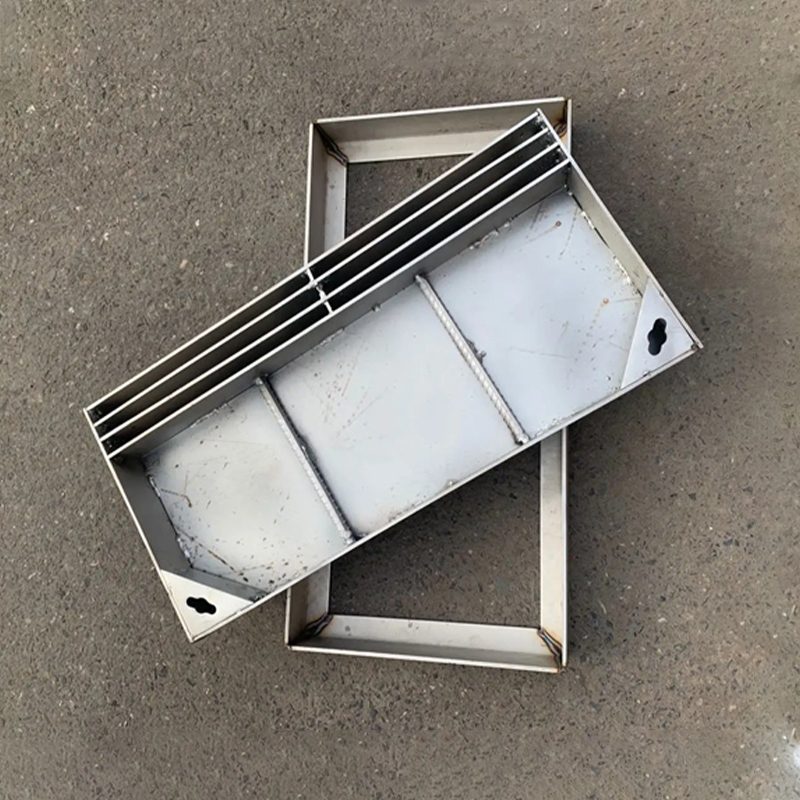
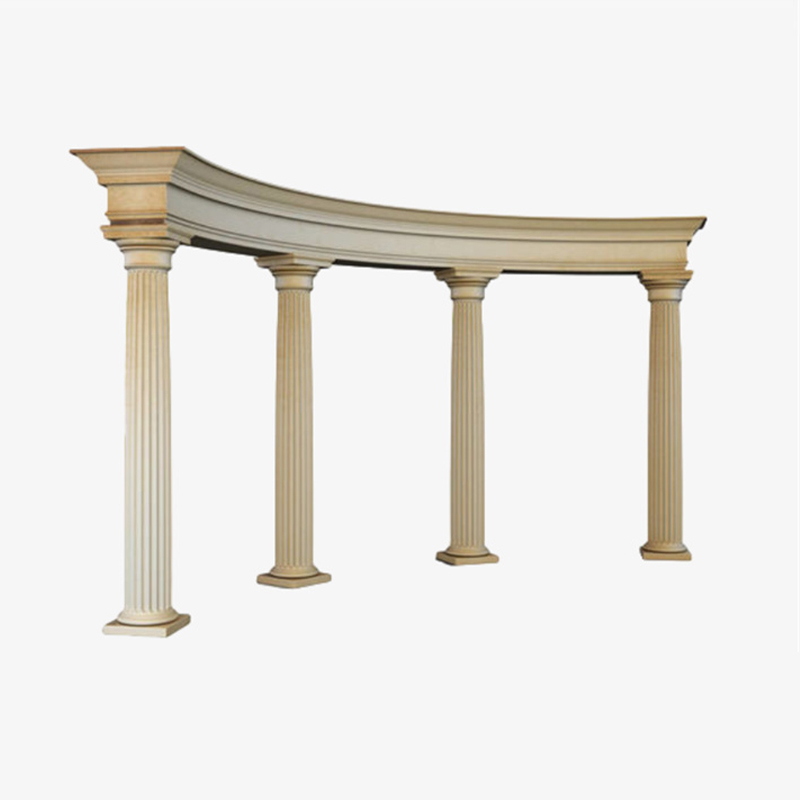
Grand Hotel Lobby Decorative GRC Roman Columns are exquisite architectural elements designed to elev...
READ MORESep 10, 2026
Content
A container terminal extension in a northern port needs thirty metres of trench drainage across a truck lane. The first quote proposes polymer composite grates rated to C250; the second specifies cast iron drainage channel components to EN 124 D400. The decision writes itself: EN 124 reserves D400 for carriageways, lorry parks and loading areas, and a container truck lane is all three. The C250 system is out of class before installation begins.
The conclusion for most heavy-traffic projects: when a surface will be driven on, parked on, or crossed by industrial machinery, a cast iron drainage channel — specifically ductile iron grates locked into a rated channel body — is the dependable default. Cast iron's combination of compressive strength, impact resistance and stable behaviour under repeated dynamic loading is what survives real traffic for decades.
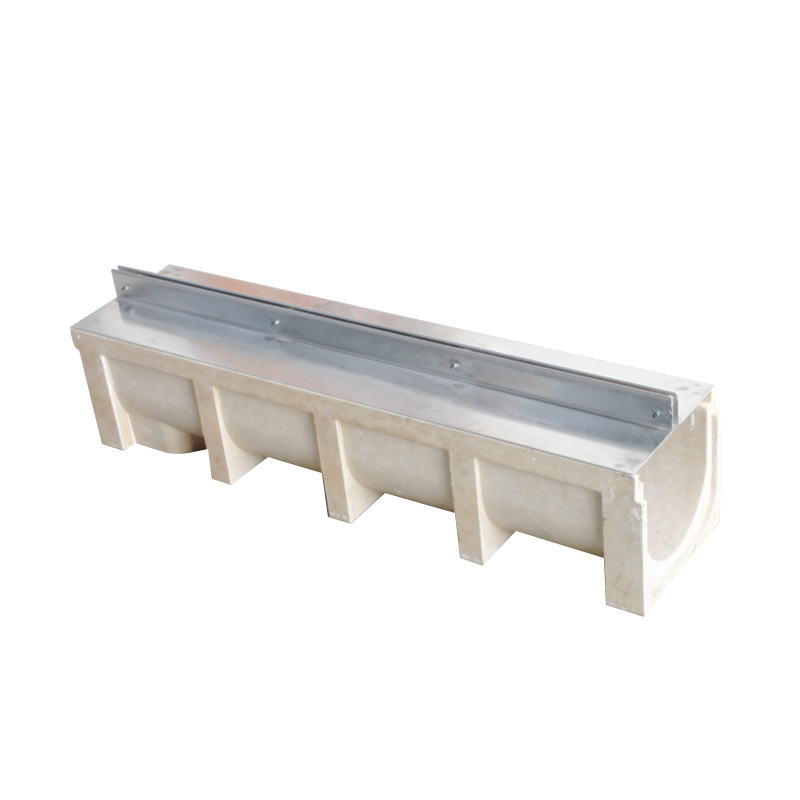
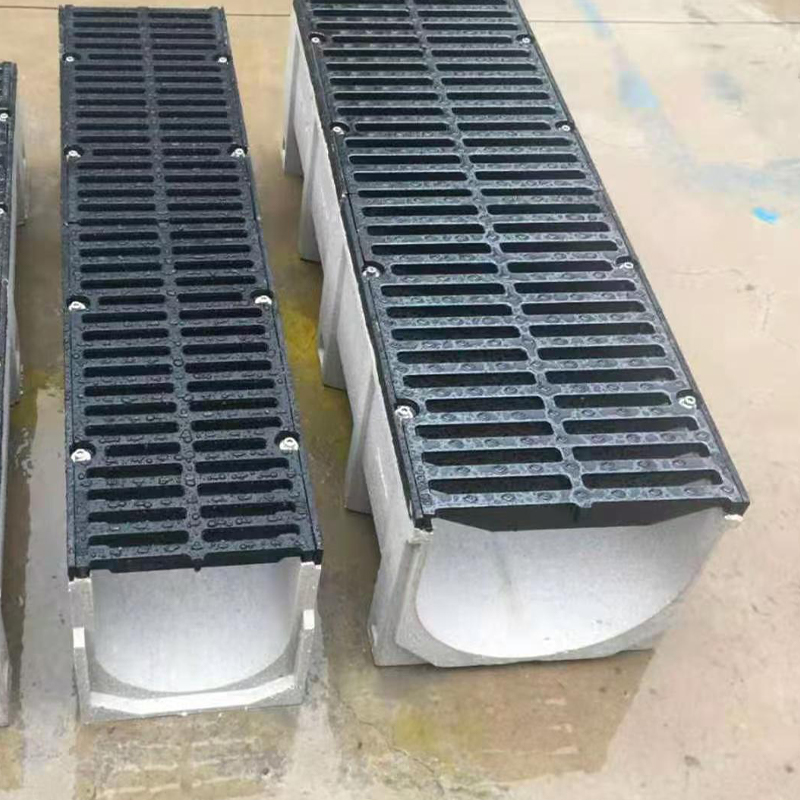
A cast iron drainage channel is a linear surface drainage system in which the top covering — the grate, the cover, or in some versions the entire frame — is cast from iron. The body below is a separate component: precast concrete, resin concrete, or a stainless steel profile. Because the two parts work as one structural unit, the material and load class of the top and the body must be specified together.
The term covers several configurations. The most common are ductile iron grates locked into a linear body, heavy-duty trench grates in continuous runs, and fully cast frames for point drains. Grey cast iron and ductile cast iron behave very differently: grey iron is hard and cheap but brittle, while ductile (spheroidal graphite) iron can deform before it fractures. That ductility is why heavy-load drainage standards require ductile iron above C250.
For a manufacturer's view of the complete system range, the drainage channel product range groups cast iron, stainless steel, resin and precast variants in one catalogue.
European standard EN 124 groups gully tops and manhole tops into six classes based on test load. The number is the test load in kilonewtons that the component must survive without permanent deformation. It is not a suggestion; it is a minimum requirement tied to the location's realistic traffic.
| Class | Test load | Typical location |
|---|---|---|
| A15 | 15 kN | Pedestrian walkways, cycle tracks, landscaping zones |
| B125 | 125 kN | Footways, car parks accessible only to cars |
| C250 | 250 kN | Kerbsides, slow lanes, road shoulders |
| D400 | 400 kN | Carriageways, lorry parks, loading areas |
| E600 | 600 kN | Industrial zones, docks, aircraft stands |
| F900 | 900 kN | Airport aprons, heavy industrial yards |
For a cast iron drainage channel, the body and the grate must be specified to the same class. A D400 grate mounted on a C250 resin body does not make a D400 channel; it moves the failure point from the top to the side wall — the part invisible in supplier photos and the first to collapse under a loaded axle.
The class stamped on the grate tells you what the top survived in the test rig. The class of the channel body tells you what the complete system survives in the pavement.
Cast iron earns its place in four recurring situations: heavy wheel loads, concentrated point loads, repeated braking and turning, and theft or vandalism risk. When any is present, lighter materials cost more in maintenance than they saved at procurement.
In airport aprons and dock areas, the sustained static load of parked aircraft and stacked containers exceeds what polymer or composite grates can handle. Cast iron also behaves well in fire-risk zones: a hot vehicle part or an industrial spill will not melt or spread the fire. For these extreme demands, our airport and dock extra-heavy-duty gratings are cast specifically for F900-class static and rolling loads.
In municipal roads and truck yards, the weight and stiffness of ductile iron grates prevent the shifting, rattling and edge lifting that lighter covers develop under frequent braking. Our ductile iron heavy-duty trench grates are the component we specify when the detail calls for D400-rated road lanes and yard crossings.
No single material wins every project. Cast iron is heavy and needs a protective coating in aggressive chemistry; stainless steel costs substantially more; polymer and composite grates are light and corrosion-proof but sit below C250 in most configurations.
| Material | Typical load classes | Corrosion behaviour | Weight | Primary failure mode |
|---|---|---|---|---|
| Ductile cast iron | C250 to F900 | Good with coating; surface rust if chipped | High | Coating breakdown where damaged |
| Stainless steel | D400 to E600 | Excellent throughout | Medium | Scratching, deformation under impact |
| Polymer composite | Up to C250 | Excellent | Low | Cracking under point loads, creep on hot surfaces |
Use cast iron where load and impact dominate, stainless where chemistry and appearance matter most, and polymer only where traffic remains strictly pedestrian or light-vehicle. The most common selection error is choosing a corrosion-resistant material and discovering its load class cannot cover the delivery lorry that uses the pavement weekly. A channel that cracks under a single heavy axle is not a drainage problem; it is a structural liability.
A cast iron drainage channel fails in three ways: overloading, poor bedding, and incorrect locking. Overloading is prevented at specification; the other two at construction.
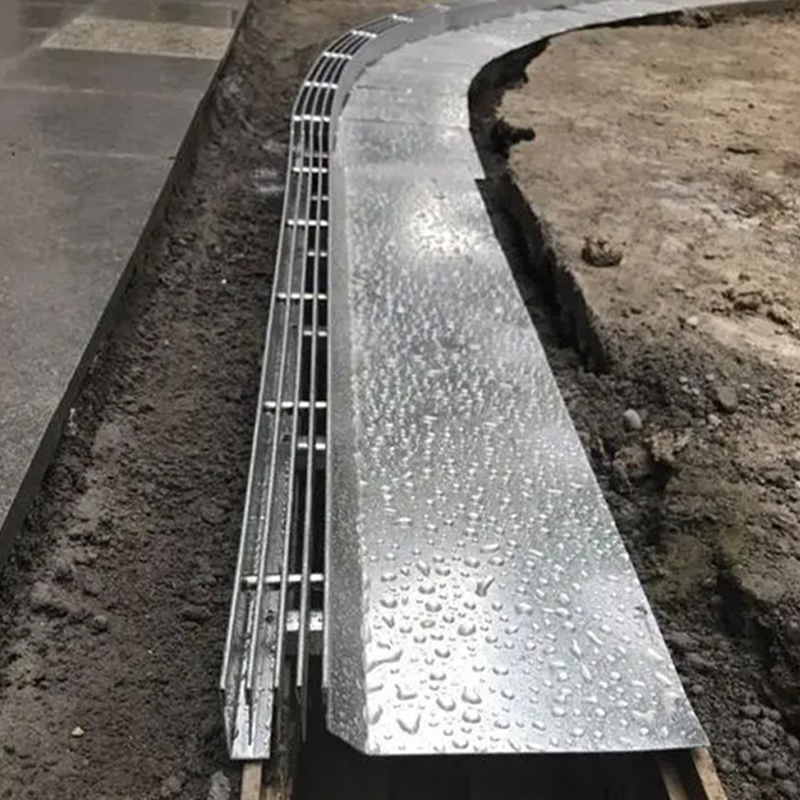
The channel body and its concrete surround carry more of the system strength than the grate does. The body must be bedded on a compacted sub-base with continuous haunching concrete on both sides. Edge restraint matters: a wheel dropping onto the edge transfers a dynamic load a lightly bedded body cannot distribute, and the first visible result is a sheared mortar joint.
Locking mechanisms matter more in cast iron than in any other material, because cast iron grates have scrap value and will disappear if not secured. Bolted cassettes, spring clips and anti-vibration locking designs keep covers in place and silent. For installers, the practical consequence is checking seating clearance: a painted frame or excess bonding can prevent the lock from engaging. If you are ordering before the contractor's method statement exists, our step-by-step guide to installing channel drainage covers the full sequence.
Cast iron drainage channels become a commodity only until the first failure. Before finalizing an order, verify five points:
Surface coating is the detail most procurement checklists miss. Unpainted cast iron develops superficial rust that is cosmetic; the dangerous case is rust scaling inside the locking pocket, which prevents the cover from seating correctly. A bituminous or powder coating with full edge coverage, including the frame underside, is the minimum acceptable finish. Check the specification before shipment; castings look identical from a distance whether coated well or barely at all.
In industrial environments where floors are regularly wet with oil or process water, a smooth flat cover becomes a slip hazard. Our nonslip industrial cast iron ditch covers combine an embossed traction pattern with quick water shedding, without interfering with pallet trucks or sweeping.
The specification sequence, repeated on every project, is short. Determine the true load class from the heaviest vehicle that will cross the channel, not the typical one. Match the channel body to the grate class. Protect both with correct bedding and active locking. Cast iron drainage channels are not a premium option reserved for prestige projects; they are the engineering default wherever wheels are heavy, braking is frequent or maintenance access is rare. The price difference against a lighter system is modest; the cost difference after a failed channel — road reinstatement, warranty claims, site downtime — is not.
Related Products
Grand Hotel Lobby Decorative GRC Roman Columns are exquisite architectural elements designed to elev...
READ MOREGrand Hotel Lobby Decorative GRC Roman Columns are exquisite architectural elements designed to elev...
READ MOREGrand Hotel Lobby Decorative GRC Roman Columns are exquisite architectural elements designed to elev...
READ MOREGrand Hotel Lobby Decorative GRC Roman Columns are exquisite architectural elements designed to elev...
READ MOREGrand Hotel Lobby Decorative GRC Roman Columns are exquisite architectural elements designed to elev...
READ MOREGrand Hotel Lobby Decorative GRC Roman Columns are exquisite architectural elements designed to elev...
READ MORE
Contact us
Factory Address
Group 12, Quanxin Village, Donghai Town, Qidong City, Nantong City, Jiangsu Province, China
phone
+86-13914963840
+86-13451754670
products
QR CODE
 Wholesale Drainage Ditch Manufacturers